
Asthma Treatment & Long-Term Management
Asthma is a chronic condition that affects the airways and can make breathing difficult—especially during exercise, illness, seasonal changes, or exposure to triggers like pollen, dust, and pet dander. At Allergy & Asthma Palm Beach, we provide effective asthma management and treatment plans designed to control symptoms, improve lung function, and reduce flare-ups for both children and adults.
What Is Asthma?
Asthma is a long-term inflammatory condition that causes the airways to become swollen and sensitive. When symptoms flare, the airways can tighten, narrow, and produce excess mucus. This can lead to coughing, wheezing, and shortness of breath. While asthma cannot always be cured, it can be successfully controlled with the right treatment plan and ongoing monitoring.
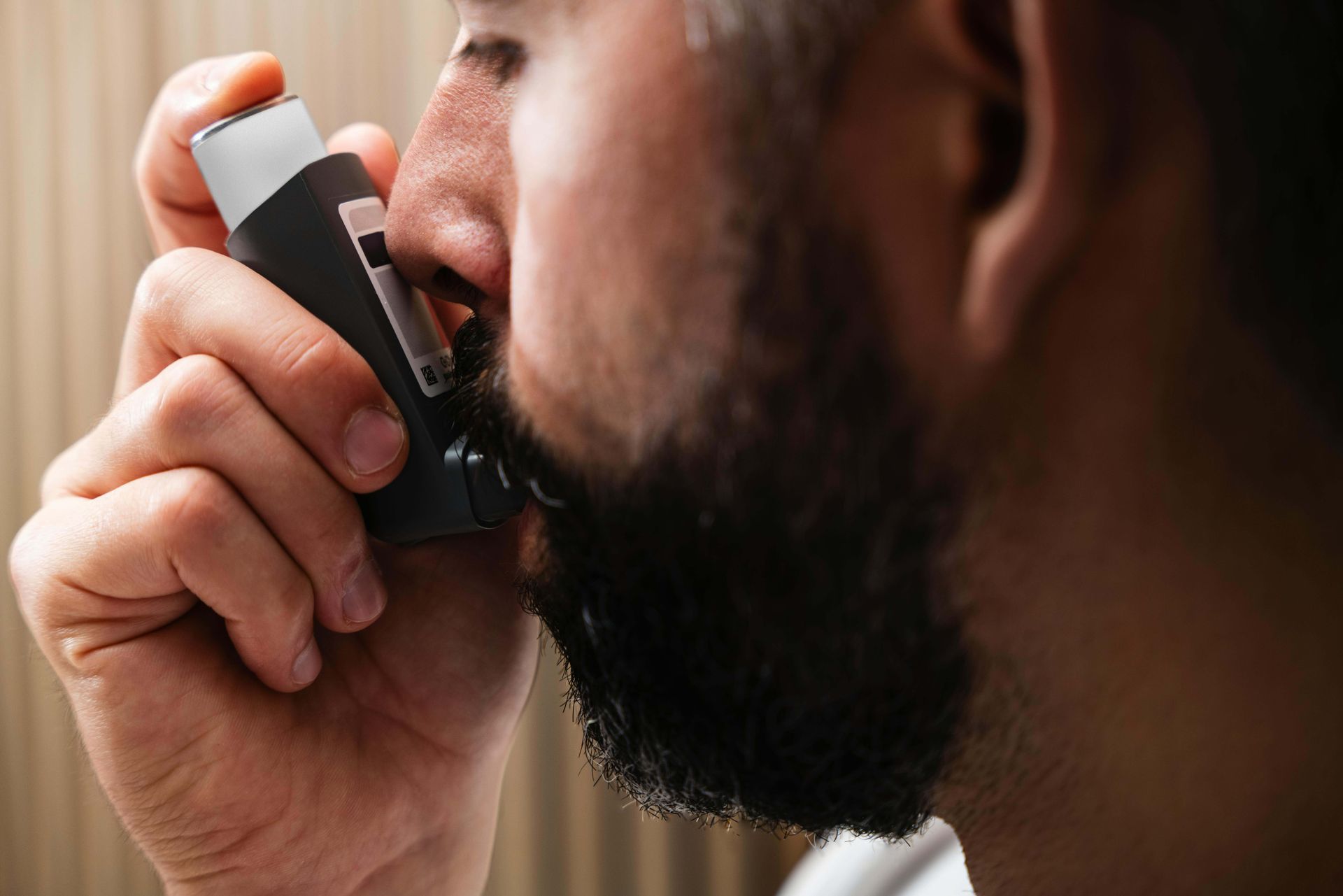
Common Asthma Symptoms
Asthma symptoms may be mild, moderate, or severe. Some people experience symptoms only occasionally, while others have frequent flare-ups.
Common symptoms include:
- Wheezing or whistling sound when breathing
- Shortness of breath
- Chest tightness or discomfort
- Persistent coughing (often worse at night)
- Symptoms triggered by exercise or cold air
- Prolonged cough after colds or respiratory illness
If symptoms interfere with daily activities, sleep, or exercise, it may be time for a complete asthma evaluation.
Asthma Triggers We Help Identify
Many patients experience worsening symptoms due to triggers in the environment. Identifying your triggers is a key part of long-term asthma control.
Common asthma triggers include:
- Pollen and seasonal allergens
- Dust mites and indoor allergens
- Pet dander
- Mold exposure
- Viral infections (colds/flu)
- Exercise-induced asthma
- Smoke, strong odors, and air pollution
- Cold air and sudden weather changes
We help patients understand what contributes to flare-ups and how to reduce exposure.
Asthma Diagnosis & Testing
Proper asthma treatment starts with an accurate diagnosis. Our team performs a full clinical assessment and may recommend testing to evaluate airway function and guide treatment decisions.
Asthma evaluation may include:
- Review of symptoms and triggers
- Lung function testing (spirometry)
- Peak flow measurements
- Allergy testing (when appropriate)
- Assessment for related conditions that may worsen symptoms

Asthma Treatment Plans Designed for Control
Asthma treatment is not one-size-fits-all. We create individualized asthma treatment plans designed to reduce inflammation, prevent flare-ups, and improve quality of life.
Your treatment plan may include:
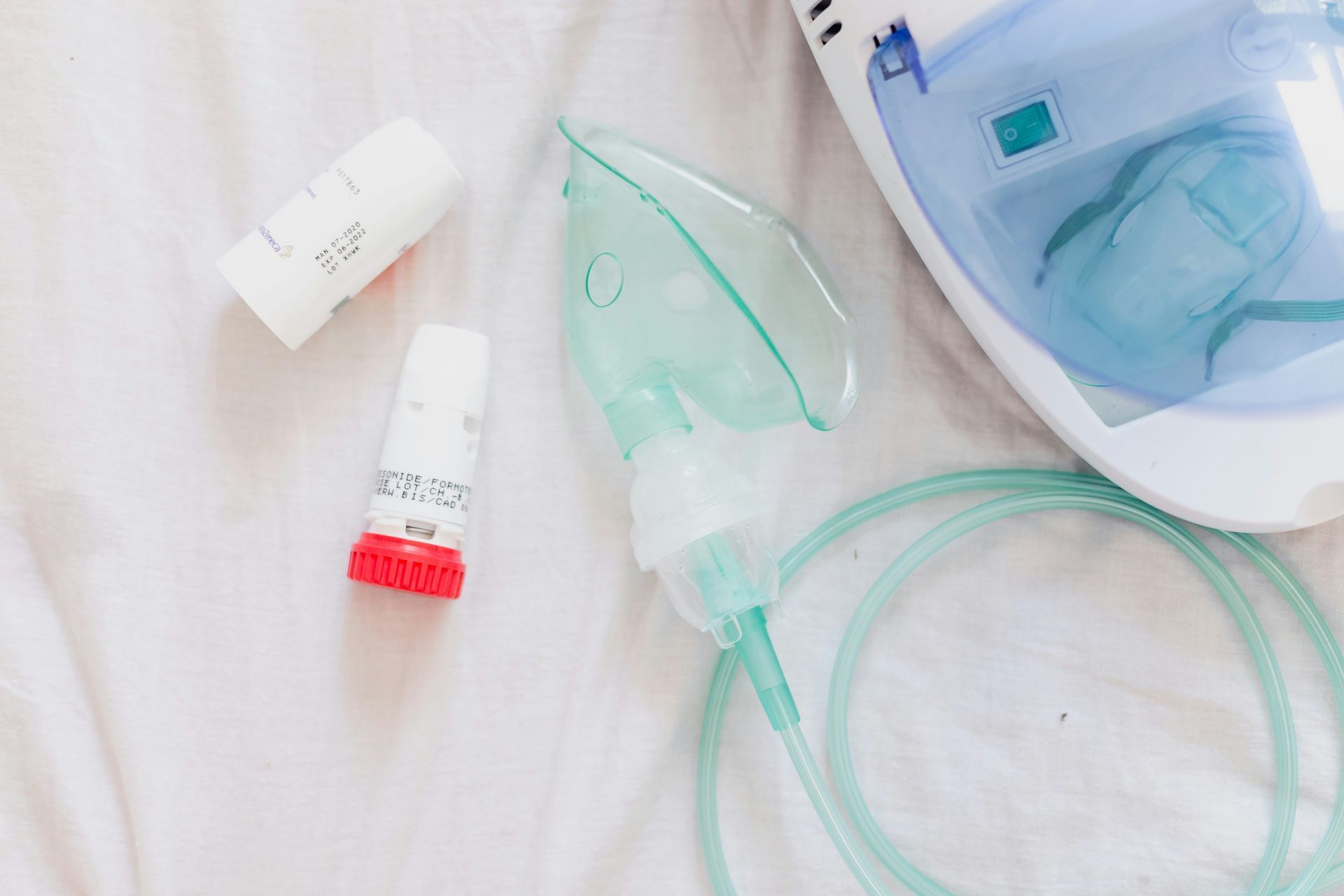
- Rescue inhalers for fast symptom relief
- Controller medications to reduce inflammation and prevent attacks
- Trigger management strategies to reduce flare-ups
- Allergy treatment when allergies worsen asthma symptoms
- Asthma action plans to help you manage symptoms at home and know when to seek care
We provide ongoing monitoring and adjustments to help ensure long-term asthma control.
Why Asthma Control Matters
Without proper management, asthma can lead to frequent flare-ups, missed work or school, sleep disruption, and urgent medical visits.
With consistent care, many patients experience:
- Improved breathing and stamina
- Better sleep quality
- Fewer asthma attacks
- Less reliance on rescue inhalers
- Greater confidence during exercise and daily activities
Long-term asthma control supports healthier lungs and improved overall well-being.
When to See an Asthma Specialist
You may benefit from specialized asthma care if:
- You use a rescue inhaler more than twice a week
- Symptoms wake you at night
- You’ve had an ER visit or urgent asthma flare-up
- Symptoms limit exercise or daily activity
- You suspect allergies are worsening breathing issues
- Your current plan isn’t controlling symptoms
Early evaluation can reduce the risk of severe flare-ups and improve long-term control.
Schedule an Asthma Evaluation in Palm Beach, FL
If you or your child experiences asthma symptoms, you don’t have to manage it alone. At Allergy & Asthma Palm Beach, we provide expert asthma testing, education, and long-term treatment planning to help you breathe easier and stay active.
Asthma FAQs
What is the best treatment for asthma?
The best asthma treatment depends on symptom severity, triggers, and lung function. Many patients benefit from a combination of controller medications, rescue inhalers, and trigger management strategies.
Can allergies make asthma worse?
Yes. Allergies are a common asthma trigger. Exposure to pollen, dust, pet dander, or mold can cause inflammation and lead to asthma flare-ups. Allergy testing and treatment can help improve control.
How do I know if my asthma is not controlled?
Asthma may not be well-controlled if you have frequent symptoms, need your rescue inhaler often, wake up at night due to breathing issues, or experience flare-ups that limit daily activity.