
Venom/Insect Skin Testing
If you’ve had swelling, hives, breathing symptoms, or a severe reaction after an insect sting, venom allergy testing can help identify the cause and guide treatment. At Allergy & Asthma Specialist of the Palm Beaches, we offer venom/insect skin testing to evaluate allergic sensitivity to insect venom—helping patients understand their risk and take the right steps to prevent serious future reactions.
What Is Venom/Insect Skin Testing?
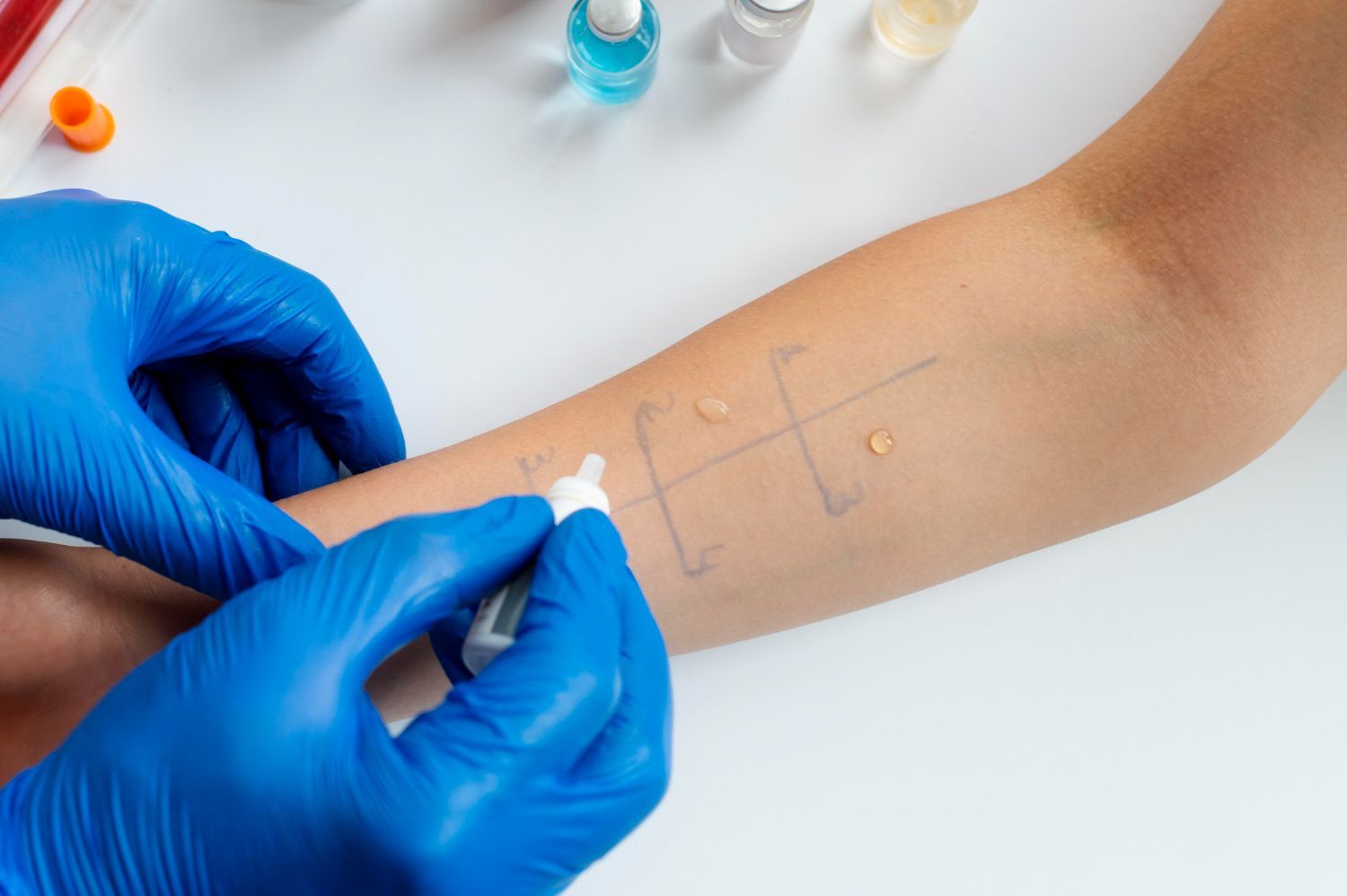
Venom/insect skin testing is a diagnostic procedure used to identify allergic sensitivity to venom from stinging insects. Small amounts of insect venom extracts are introduced to the skin to evaluate whether an allergic response occurs.
This testing helps:
- Confirm whether symptoms were caused by venom allergy
- Identify the specific insect(s) responsible
- Guide prevention and long-term treatment planning
What Insects Can Be Tested?
Venom/insect testing may include evaluation for sensitivity to venom from insects such as:
- Honeybees
- Yellow jackets
- Wasps
- Hornets
- Other stinging insects (based on history and exposure)
Testing is selected based on your reaction history and the most likely insect exposures.
Who Should Consider Venom/Insect Skin Testing?
You may benefit from venom/insect skin testing if:
- You had hives or rash after an insect sting
- You experienced swelling beyond the sting site
- You had wheezing, chest tightness, or trouble breathing
- You felt dizzy, faint, or weak after a sting
- You had a severe reaction or emergency treatment after a sting
- You want to understand your risk for future stings
Venom testing is especially important for patients with a history of severe reactions.
What to Expect During Venom/Insect Skin Testing
Venom/insect skin testing is performed in-office and includes careful monitoring.
During your appointment, you can expect:
- Review of your sting reaction history and symptoms
- Testing performed on the arm or back
- Application of small amounts of venom extracts to the skin
- A short waiting period while reactions are observed
- Same-day review of results and treatment recommendations
Your comfort and safety are a priority throughout the procedure.
Venom/Insect Skin Testing
How Long Does Venom/Insect Skin Testing Take?
Most venom/insect skin testing visits take about 60–90 minutes, depending on the number of venoms tested and your clinical history.
Understanding Your Results
After testing, your provider will explain your results and what they mean for your future risk.
Results help determine:
- Whether venom allergy is likely present
- Which insect venom(s) triggered your reaction
- What prevention and treatment steps are recommended
This allows for targeted planning instead of broad “avoid everything” guidance.
What Happens After Testing?
After your results are reviewed, we may recommend:
- Avoidance and prevention education
- Sting safety strategies for outdoor activities
- Emergency preparedness planning
- Long-term treatment options when appropriate
Our goal is to reduce anxiety, improve safety, and help you feel confident in everyday life.
Is Venom/Insect Skin Testing Safe?
Venom/insect skin testing is considered safe when performed by trained allergy specialists. Mild localized itching or swelling at the test site may occur. Because venom testing is used for patients with
allergy concerns, testing is done under medical supervision with appropriate monitoring.
Schedule Venom/Insect Skin Testing in Palm Beach, FL
If you’ve had a concerning reaction to an
insect sting, testing can provide clear answers and a plan for long-term safety. At
Allergy & Asthma Specialist of the Palm Beaches, we offer
venom/insect skin testing to evaluate sting allergies and guide personalized treatment options.
Venom/Insect Skin Testing FAQs
Is venom testing only for people with severe reactions?
Venom testing is especially important for severe reactions, but it can also be helpful for patients who have had significant swelling or systemic symptoms and want to understand their risk.
Does venom testing check for insect bites too?
Most serious allergic reactions are caused by stinging insects (venom). If your symptoms occurred after a sting, venom testing is usually the most appropriate evaluation.
Can venom allergies be treated?
Yes. After evaluation and testing, treatment planning may include prevention guidance, emergency preparedness, and long-term options depending on your history and results.