Hurricane Season and Mold Allergies: A Florida Survival Guide
Key Points
- Hurricane season runs June through November in South Florida and brings heavy rain, flooding, and mold growth that can trigger severe allergy symptoms
- Mold spores become airborne during and after storms and can linger for weeks or months if water damage is not properly addressed
- People with mold allergies may experience sneezing, congestion, itchy eyes, and worsened asthma during and after storm season
- Preventing mold growth indoors after water intrusion is one of the most important steps you can take to protect your respiratory health
- Dr. Jeffrey Jacobs offers mold allergy testing and treatment in Jupiter, FL
Florida hurricane season officially runs from June 1 through November 30. Most people prepare for storms by stocking supplies and securing their homes. What fewer people think about is what happens to their allergies and asthma in the weeks and months after a storm passes.
Mold is one of the most potent and most overlooked allergy triggers in South Florida, and hurricane season is when it becomes a serious problem for a large portion of the population.
Why Mold and South Florida Are a Difficult Combination
Mold is a type of fungus that grows wherever there is moisture, warmth, and an organic surface to feed on. South Florida checks every one of those boxes year-round. High humidity, warm temperatures, and frequent rain mean that outdoor mold levels in Palm Beach County are elevated for most of the year, even without a hurricane.
During and after a storm, those conditions intensify significantly. Heavy rainfall saturates the ground, floods low-lying areas, and drives water into homes and buildings through roofs, windows, and doors. Once moisture gets inside, mold can begin growing within 24 to 48 hours on drywall, wood, carpet, insulation, and furniture.
The problem is compounding. Outdoor mold spore counts spike during and immediately after storms. At the same time, indoor mold starts growing from water intrusion. People who spend more time indoors during storm recovery may actually be more exposed to mold, not less.
What Mold Allergies Feel Like
Mold releases tiny reproductive particles called spores into the air. These spores are small enough to be inhaled deep into the respiratory tract. For people who are allergic to mold, the immune system treats these spores as a threat and launches an inflammatory response.
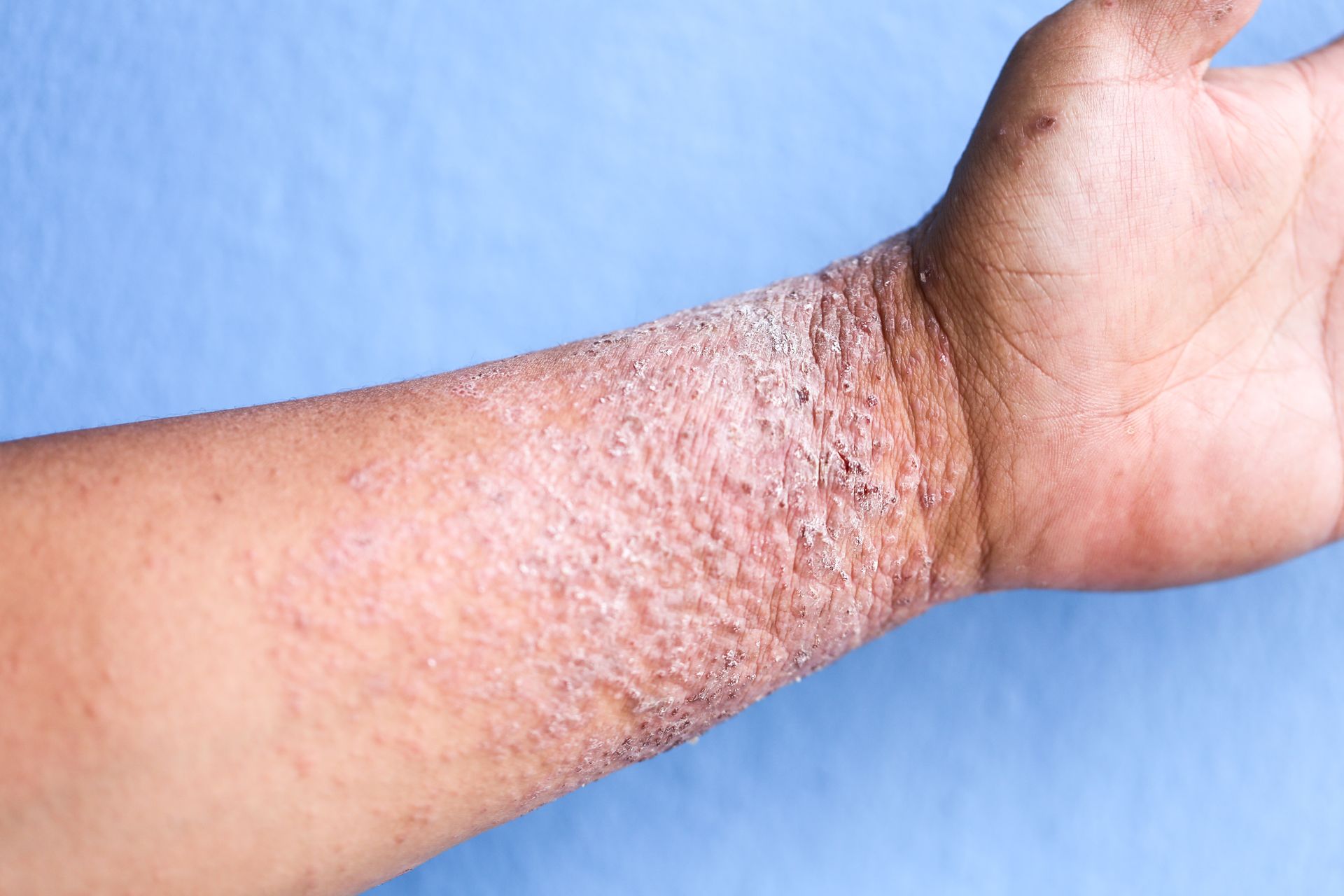
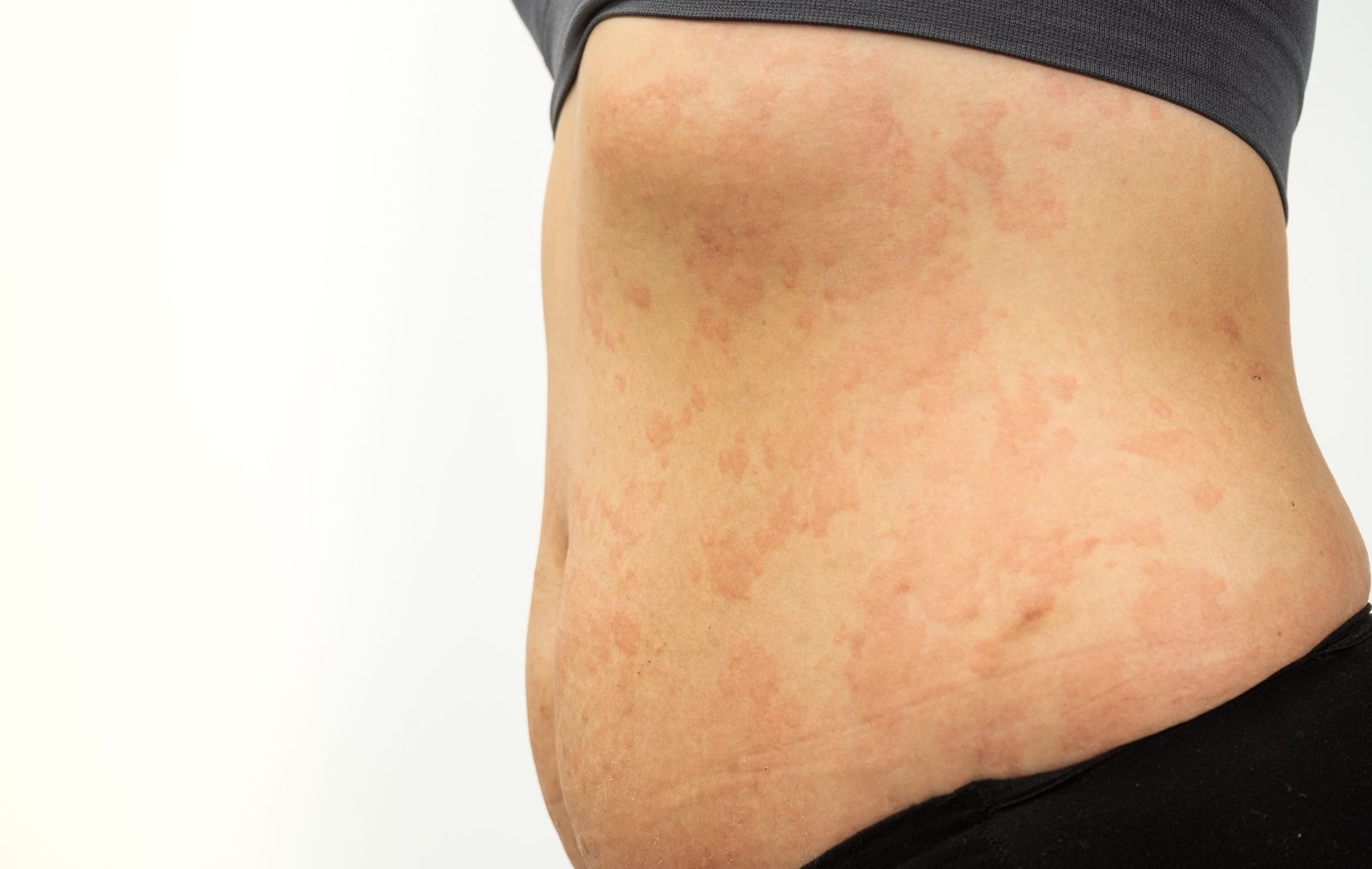
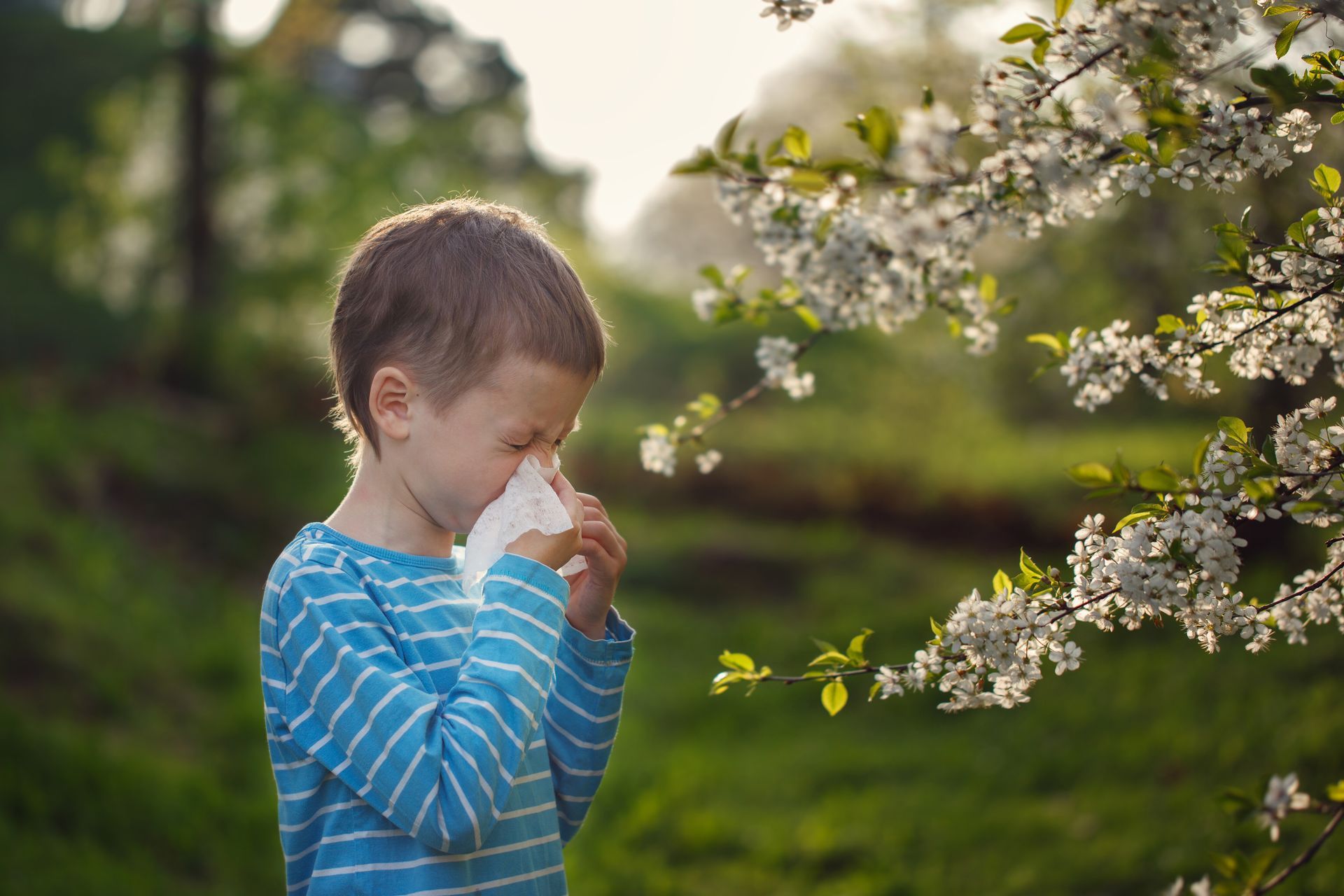
Symptoms of mold allergy typically include nasal congestion and a runny nose, sneezing, itchy or watery eyes, postnasal drip (mucus dripping down the back of the throat), coughing, and skin irritation. For patients who also have asthma, mold exposure can trigger significant flares, including wheezing, chest tightness, and shortness of breath.
One of the reasons mold allergy is frequently underdiagnosed is that its symptoms look nearly identical to other common allergies and to upper respiratory infections. Many patients assume they caught a cold after a storm when they are actually reacting to mold spores. The key difference is duration. A cold resolves within 7 to 10 days. Mold allergy symptoms persist as long as the exposure continues.
Where Mold Hides After a Storm
After a hurricane or heavy flooding event, mold does not always grow in obvious places. Visible black or green mold on walls is easy to spot. The mold that causes the most persistent health problems is often hidden.
Common places mold grows after water intrusion include inside wall cavities behind drywall, under flooring and subflooring, in attic insulation that absorbed roof leaks, inside HVAC ducts and air handling units, behind kitchen and bathroom cabinets, and in crawl spaces and garages.
HVAC systems are a particular concern in South Florida. When an air conditioning unit or ductwork becomes contaminated with mold, it distributes spores throughout the entire living space every time the system runs. Patients who develop persistent respiratory symptoms after a storm and cannot identify a visible source of mold in their home should consider having their HVAC system professionally inspected.
How to Reduce Your Mold Exposure After a Storm
The most effective way to manage mold allergy during and after hurricane season is to reduce exposure. Treatment helps, but removing or limiting the source is always the priority.
After any water intrusion event, act quickly. Remove standing water and wet materials within 24 to 48 hours if at all possible. Wet drywall, carpet, and insulation that cannot be thoroughly dried should be removed and replaced rather than dried in place. Run dehumidifiers continuously in affected areas and aim to keep indoor humidity below 50 percent. Hard surfaces that got wet can be cleaned with appropriate antifungal solutions, but porous materials like drywall and carpet generally cannot be fully remediated once mold takes hold.
When outdoor mold counts are high, which is particularly common in the days immediately following a major storm, keeping windows closed and running air conditioning with a clean, high-quality filter can help reduce the amount of outdoor spores entering your home.
If you have a known mold allergy, wearing an N95 mask during outdoor cleanup work after a storm is a practical protective measure.
When to See an Allergist About Mold
Many people in Palm Beach County have a mold sensitivity and do not know it. If your allergy or asthma symptoms reliably worsen during the summer and fall months, if they spike after heavy rain events, or if they got significantly worse after moving into a particular home or after a flooding event, mold is a strong suspect.
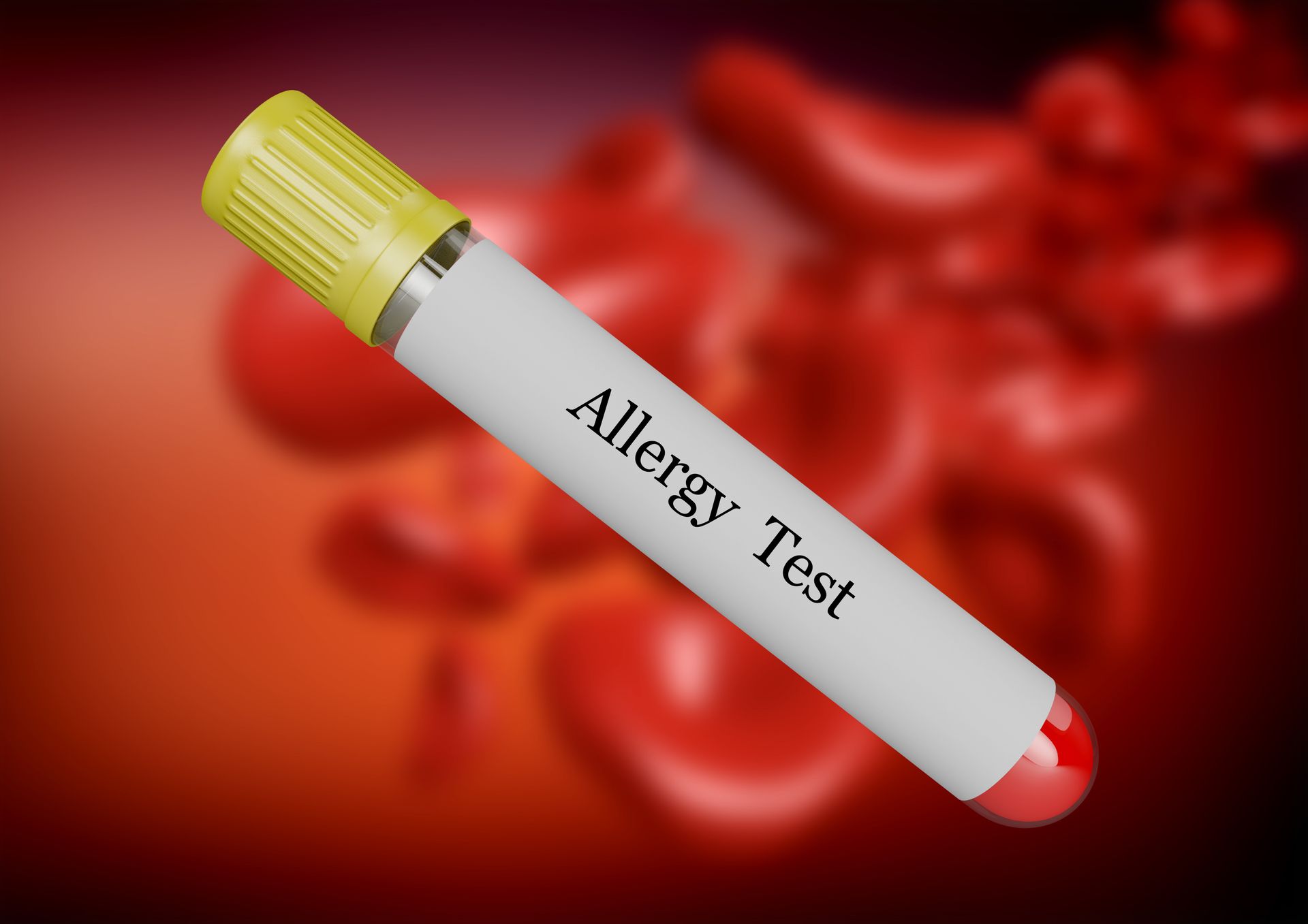
A board-certified allergist can perform food and environmental allergy skin testing or specific blood testing to confirm whether you have a mold allergy and identify which mold species you are reacting to. This matters because there are many species of mold and not everyone is sensitive to the same ones.
For patients with confirmed mold allergy, allergen immunotherapy (allergy shots) can be an effective long-term treatment. Immunotherapy for mold works the same way it does for pollen or dust mites: by gradually desensitizing the immune system to the specific allergen so that future exposures trigger a smaller response.
For patients whose mold allergy is driving asthma symptoms, a full asthma evaluation including FeNO testing and pulmonary function testing may also be recommended to understand the degree of airway inflammation and optimize the treatment plan. How do I know if I have a mold allergy or just a cold after a storm? The biggest difference is duration and pattern. Cold symptoms typically resolve within 7 to 10 days. Mold allergy symptoms persist as long as mold exposure continues, and they tend to worsen in humid conditions or after rain. If your symptoms keep coming back every storm season or linger for weeks after a flooding event, allergy testing is worth pursuing.
Is outdoor mold or indoor mold more likely to trigger my symptoms? Both can cause significant symptoms, but indoor mold is often the more persistent problem because exposure is continuous. Outdoor mold levels fluctuate with weather conditions. Indoor mold from water damage continues to grow and release spores until it is physically removed. Patients with hidden indoor mold sources often experience symptoms that do not improve even when they stay inside.
Can mold grow in my air conditioner in South Florida? Yes, and this is a common problem in our climate. HVAC systems that run frequently in humid conditions can accumulate mold in the coils, drain pans, and ductwork. If you notice a musty smell when your air conditioning runs or if your symptoms are worse indoors than outdoors, having your system professionally inspected and cleaned is a reasonable first step.
Does allergy medication help with mold allergies? Antihistamines and nasal steroid sprays can help manage mold allergy symptoms, but they do not address the underlying sensitivity. For patients with persistent or severe mold allergy, allergen immunotherapy offers a longer-term solution by gradually reducing the immune system's reactivity to mold spores.
What mold species are most common in Palm Beach County? The most commonly problematic outdoor molds in South Florida include Alternaria, Cladosporium, and Aspergillus. After flooding or water damage, Stachybotrys (often called black mold) and Penicillium are frequently found indoors. Allergy testing can identify which specific species your immune system is reacting to.
Should I leave my home after a hurricane if I have mold allergies? If there has been significant water intrusion or visible mold growth, temporarily relocating during remediation is worth considering, particularly for patients with severe mold allergy or poorly controlled asthma. If relocation is not possible, maximizing air filtration, keeping windows closed, and working with your allergist on a medication plan for the exposure period can help manage symptoms.
If your allergies or asthma seem to flare every time it rains or after a storm, mold may be playing a bigger role than you realize. Call our Jupiter office at (561) 510-7232 or book online here to schedule an appointment with Dr. Jacobs.