What to Expect at Your First Allergy Test Appointment: A Patient's Guide
Key Points
- Your first allergy test appointment typically includes a health history review, a discussion of your symptoms, and one or more testing procedures
- Skin prick testing is the most common first step and produces results within 15 to 20 minutes
- You will need to stop taking antihistamines several days before your appointment for accurate results
- Testing is safe for both adults and children and is performed in a supervised clinical setting
- Allergy & Asthma Specialists of the Palm Beaches offers comprehensive allergy testing in Jupiter, FL
If you have been dealing with chronic sneezing, itchy eyes, skin reactions, or breathing problems and someone has finally suggested allergy testing, your first question is probably a practical one: what is actually going to happen at that appointment? The short answer is that it is straightforward, not painful, and most patients leave with real answers the same day.
Here is exactly what to expect.
Before Your Appointment: What You Need to Do
The most important thing to know before your first allergy test appointment is that certain medications need to be stopped ahead of time.
Antihistamines (medications like cetirizine, loratadine, diphenhydramine, and similar drugs) block the immune response that allergy testing relies on. If you take them too close to your appointment, your results may come back falsely negative, meaning the test will not detect allergies that are actually there.
Most antihistamines should be stopped five to seven days before testing. Some prescription medications, including certain antidepressants and heartburn medications, can also interfere with results. When you schedule your appointment, the office will give you a specific list of what to avoid and for how long based on what you are currently taking.
A few things you do not need to worry about stopping: most asthma inhalers, nasal steroid sprays, and blood pressure medications do not affect allergy test results and can be continued as normal.
You should also wear comfortable, loose-fitting clothing to your appointment. Skin prick testing is most commonly done on the forearm or upper back, so easy access to those areas makes the process smoother.
What Happens When You Arrive
Your first visit will start with a thorough health history review. Dr. Jacobs or a member of the clinical team will ask about your symptoms, when they started, what seems to make them better or worse, your personal and family medical history, any medications you are taking, and your living environment.
This part of the appointment is not just paperwork. The pattern of your symptoms helps guide which allergens to test for. Someone with year-round nasal symptoms and a cat at home gets a different panel than someone whose symptoms spike every spring. In Palm Beach County, that conversation also includes questions about local environmental factors like humidity exposure, whether you have had any water damage in your home, and how much time you spend outdoors.
How Skin Prick Testing Works
For most patients, the first allergy test performed is a skin prick test (also called a scratch test). This is the standard starting point for identifying environmental allergens like pollen, mold, dust mites, and pet dander, as well as common food allergens.
Here is how it works. A small amount of each allergen extract is placed on the skin, usually along the forearm or upper back. A lancet (a tiny, fine-tipped device) is then used to lightly prick or scratch the skin through each drop. This allows a microscopic amount of the allergen to enter just below the skin's surface.
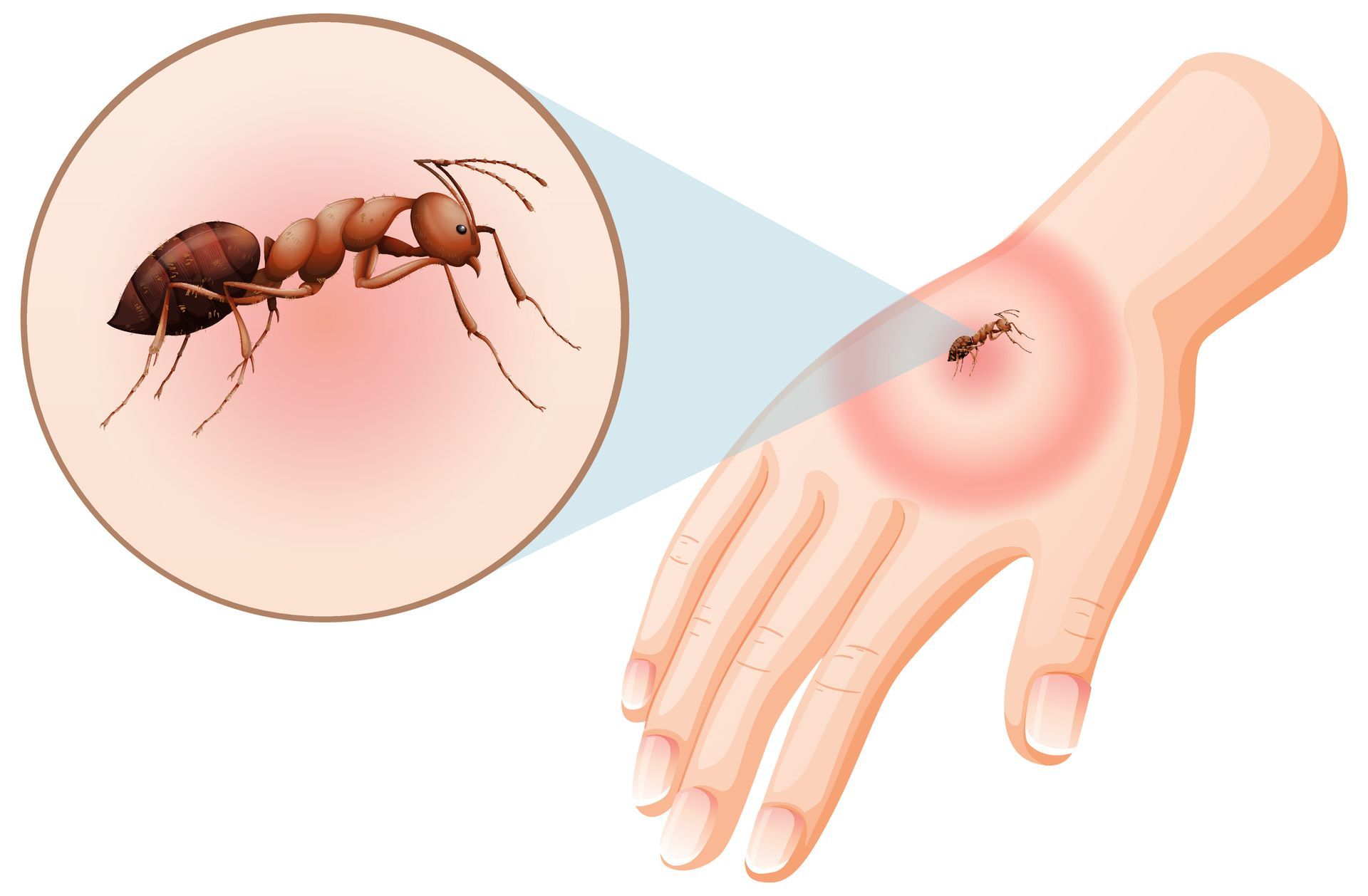
If you are allergic to a particular substance, a small raised bump called a wheal will appear at that spot within 15 to 20 minutes. It looks similar to a mosquito bite and typically fades within an hour. The size of the wheal helps the allergist gauge how sensitive you are to that allergen.
The prick itself is not a shot and does not go deep. Most patients describe it as a mild scratching sensation. Children tolerate it well in the vast majority of cases.
Depending on what is being tested, multiple allergens may be applied in a single session. A typical environmental panel might include grasses, trees, weeds, mold spores, dust mites, cockroach, and animal dander. In South Florida, the panel often includes region-specific plants like melaleuca, Brazilian pepper, and Bermuda grass that are particularly relevant to Palm Beach County.
When Blood Testing Is Used Instead
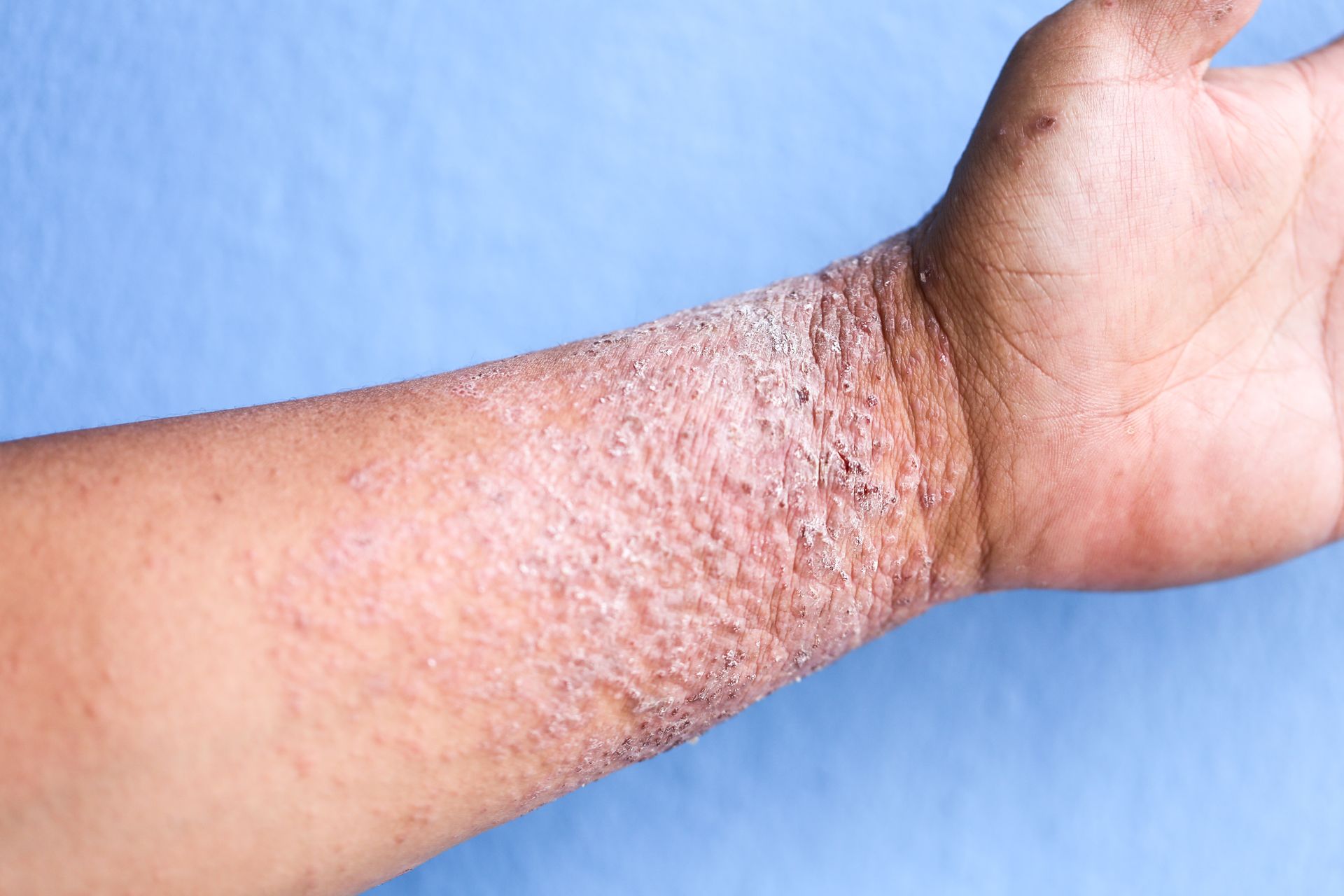
Not every patient is a candidate for skin prick testing. If you have a skin condition like severe eczema or psoriasis that affects large areas of skin, or if you cannot safely stop a medication that would interfere with results, specific blood testing may be used instead.
Blood testing (sometimes called a RAST test or specific IgE test) measures the level of allergy antibodies in your blood in response to specific allergens. It does not require stopping antihistamines beforehand and has no risk of triggering a reaction during testing. Results take a few days rather than being available the same visit, but they provide reliable information about what your immune system is reacting to.
In some cases, both skin and blood testing are used together for a more complete picture.
What Happens After the Test
Once your results are ready, Dr. Jacobs will go over them with you in detail. This is not just a list of what you tested positive for. It is an explanation of what those results mean for your specific symptoms, which allergens are most likely responsible for what you are experiencing, and what your options are.
For patients whose symptoms are driven by environmental allergens, allergen immunotherapy (allergy shots or sublingual tablets) may be recommended. Immunotherapy is the only treatment that addresses the underlying immune sensitivity rather than just managing symptoms day to day.
For patients with suspected asthma alongside their allergies, additional testing such as pulmonary function testing or FeNO testing may be recommended at the same visit or as a follow-up step.
You will leave your first appointment with a clear understanding of what you are allergic to and a treatment plan that is specific to you, not a generic recommendation.
Frequently Asked Questions
Do I need a referral to see an allergist in Florida? In most cases, no. Many patients self-refer to our office. If your insurance requires a referral, your primary care physician can typically provide one. It is worth calling your insurance company ahead of time to confirm your specific plan's requirements.
How long does the first allergy test appointment take? Plan for about one to two hours for your first visit. This accounts for the health history review, the testing itself, the waiting period while skin test results develop, and the follow-up discussion with Dr. Jacobs about your results and next steps.
Is allergy testing covered by insurance? Most major insurance plans cover allergy testing when it is medically indicated. Coverage varies by plan, so it is a good idea to call your insurance company in advance to confirm your benefits. Our office can also help answer questions about insurance during scheduling.
Can children be allergy tested? Yes. Allergy testing is safe for children and is often recommended when a child has chronic nasal symptoms, recurrent ear infections, asthma, eczema, or suspected food allergies. The testing process is the same as for adults and is well tolerated by most kids.
What if my skin test comes back negative but I still have symptoms? A negative skin test does not always mean you have no allergies. Blood testing may be recommended as a follow-up, or the conversation may shift toward non-allergic triggers for your symptoms. Dr. Jacobs will work through the full picture with you rather than stopping at a single test result.
Do I need to fast before allergy testing? No fasting is required for standard environmental allergy testing. If food allergy testing or an oral food challenge is planned, the office will give you specific instructions in advance.
Ready to get some real answers about what is causing your symptoms? Call our Jupiter office at (561) 510-7232 or book online here to schedule your first appointment with Dr. Jacobs.