Why Does My Asthma Get Worse in South Florida? Climate, Humidity, and Allergens Explained
Key Points
- South Florida's year-round heat, humidity, and pollen create a near-constant trigger environment for people with asthma
- High humidity promotes dust mite and mold growth, two of the most common asthma triggers
- Hurricane season brings mold spores that can cause significant asthma flares well after a storm passes
- Allergic asthma driven by local allergens may respond well to immunotherapy and targeted biologic treatments
- Dr. Jeffrey Jacobs offers comprehensive asthma diagnosis and management in Jupiter, FL
If your asthma has been harder to manage since moving to or spending time in South Florida, you are not imagining it. The combination of year-round heat, high humidity, heavy pollen seasons, and hurricane-driven mold creates a near-constant trigger environment that makes this region one of the more challenging places in the country to live with asthma.
Understanding what is working against you is the first step toward getting it under control.
Why South Florida's Climate Is Hard on Asthmatic Airways
Asthma is a chronic condition that causes the airways to become inflamed and narrow, making it harder to breathe. Most people with asthma have specific triggers, things in their environment that cause their airways to react. South Florida has an unusually high concentration of those triggers, and unlike northern states, there is no real offseason.
The three biggest environmental factors are heat and humidity, airborne allergens, and mold.
What Happens When You Arrive
Your first visit will start with a thorough health history review. Dr. Jacobs or a member of the clinical team will ask about your symptoms, when they started, what seems to make them better or worse, your personal and family medical history, any medications you are taking, and your living environment.
This part of the appointment is not just paperwork. The pattern of your symptoms helps guide which allergens to test for. Someone with year-round nasal symptoms and a cat at home gets a different panel than someone whose symptoms spike every spring. In Palm Beach County, that conversation also includes questions about local environmental factors like humidity exposure, whether you have had any water damage in your home, and how much time you spend outdoors.
How Heat and Humidity Affect Your Breathing
South Florida's air is dense and warm for most of the year. For people with asthma, this matters more than most realize.
Hot, humid air can directly irritate the airways. Breathing in warm, moisture-heavy air makes it harder for your lungs to regulate airflow, and it can cause the bronchial tubes (the passages that carry air into your lungs) to tighten. This is one reason many patients notice their symptoms worsening in summer or during heat index spikes.
Humidity also creates the perfect conditions for dust mites and mold, two of the most common asthma triggers. Dust mites thrive in warm, humid bedding and upholstered furniture. In Palm Beach County, where humidity rarely drops below 60 percent, dust mite exposure is essentially year-round.
Air conditioning provides some relief, but going from an air-conditioned building into outdoor heat repeatedly throughout the day can also cause airway spasms in sensitive individuals. Sudden temperature changes are a known asthma trigger.
South Florida's Pollen Calendar Has No Real Break
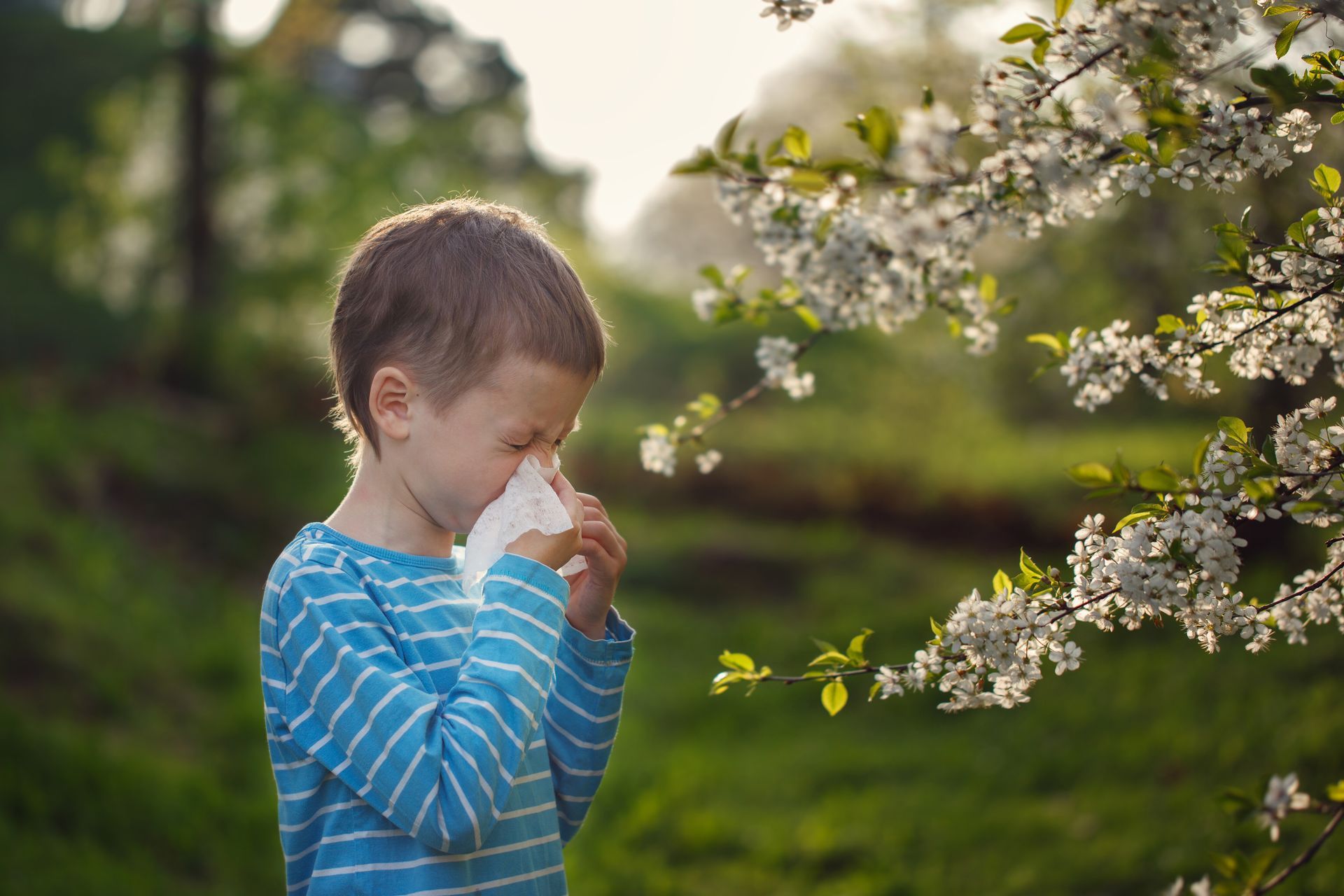
In most of the country, pollen season is a spring and fall event. In South Florida, something is always blooming.
Tree pollen is heaviest from late winter through spring, roughly February through May. Grass pollen peaks in spring and early summer. Ragweed, which affects many people severely, arrives in the fall. On top of all of that, South Florida has a significant number of tropical and subtropical plants that do not affect people in northern climates at all.
Citrus trees, melaleuca, Brazilian pepper, and Australian pine are all present in Palm Beach County and are known allergen sources. If you developed new or worsening respiratory symptoms after moving to Florida, these non-native plants may be part of why.
For patients with allergic asthma (asthma that is triggered by allergens), a prolonged pollen season means prolonged airway inflammation. Inflammation that never fully settles down makes each new exposure worse.
Hurricane Season and Mold: The Hidden Asthma Trigger
June through November is hurricane season in South Florida, and even storms that do not make direct landfall bring heavy rain, flooding, and the mold growth that follows.
Mold releases tiny spores into the air that are small enough to travel deep into the lungs. For people with asthma, mold spores are a potent trigger that can cause significant flares. The problem does not end when the storm does. Mold can grow inside walls, under flooring, and in air conditioning systems for weeks or months after water intrusion. If your asthma got dramatically worse after a storm season, it is worth asking whether mold in your home or office is a factor.
Outdoor mold levels in Palm Beach County are also elevated after heavy rains, which happen frequently regardless of hurricane activity.
How Do You Know If Allergies Are Driving Your Asthma?
Not all asthma is allergic asthma. Some people have asthma triggered primarily by exercise, respiratory infections, or irritants like smoke and chemical fumes. But in South Florida, allergic asthma is extremely common, and many patients do not realize that what feels like a breathing problem is actually being driven by an immune response.
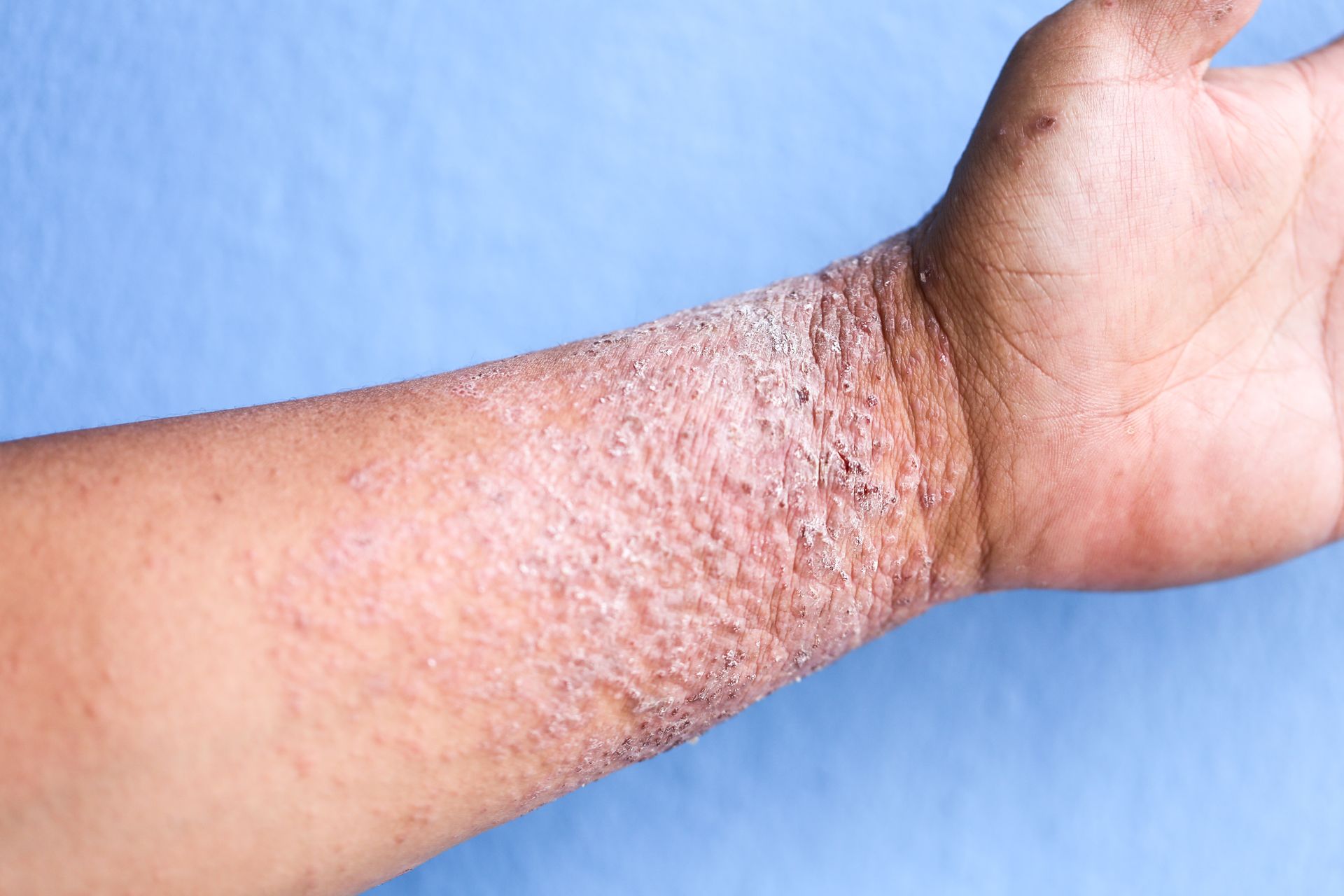
Signs that your asthma may have an allergic component include symptoms that worsen during pollen season, relief when you leave the area for a different climate, skin or nasal allergy symptoms alongside breathing problems, and a personal or family history of eczema or hay fever.
A board-certified allergist can perform pulmonary function testing and FeNO testing to measure airway inflammation and help determine whether allergies are playing a role. FeNO testing measures the level of a specific inflammatory marker in exhaled breath and can show active eosinophilic (allergy-driven) inflammation even when your symptoms feel mild.
What Can You Do About It?
The good news is that allergic asthma triggered by South Florida's environment responds well to targeted treatment.
For patients whose asthma is driven by environmental allergens, allergen immunotherapy (allergy shots or sublingual tablets) can reduce the underlying immune sensitivity over time rather than just treating symptoms. This is different from taking a daily antihistamine. Immunotherapy works by gradually retraining the immune system to stop overreacting to the specific allergens causing your symptoms.
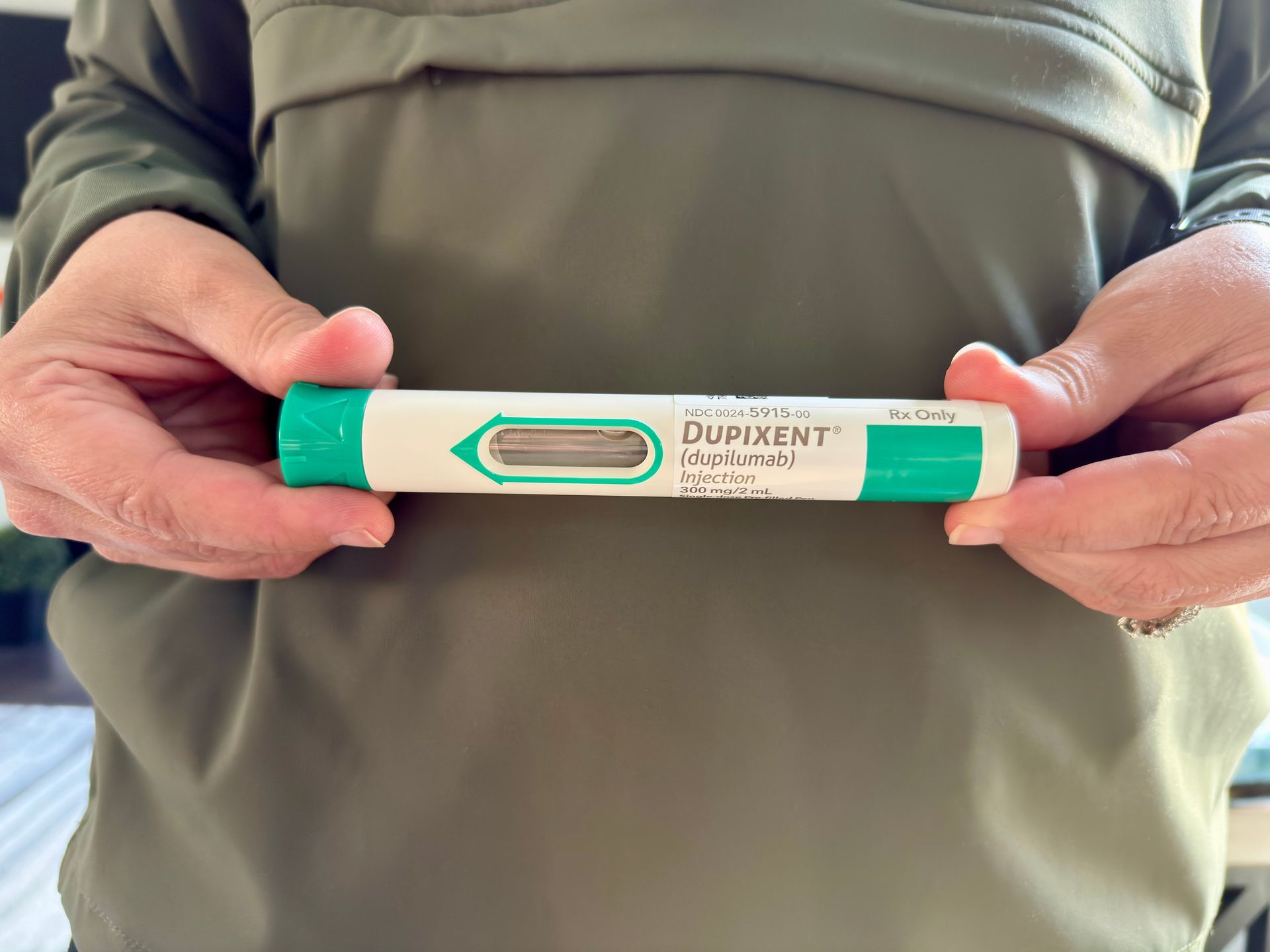
Asthma management may also involve adjusting or optimizing controller medications. For patients with more severe or uncontrolled asthma, biologic medication management offers a newer class of targeted therapies that address the specific inflammatory pathways driving symptoms.
Practical steps at home that may also help include using a HEPA air purifier, washing bedding in hot water weekly, keeping indoor humidity between 40 and 50 percent, and having your HVAC system and ducts inspected for mold after any water intrusion event.
Frequently Asked Questions
Is asthma harder to manage in Florida than in other states? For many patients, yes. South Florida's combination of year-round allergens, high humidity, and hurricane-season mold creates a prolonged trigger environment. Patients who managed their asthma well in other climates sometimes find their symptoms significantly worse after moving here. A full evaluation with a board-certified allergist can help identify which specific factors are affecting you.
Can humidity alone trigger an asthma attack? Humid air can contribute to airway irritation and is particularly problematic because it promotes dust mite and mold growth. While humidity by itself may not cause a full attack in every patient, it creates conditions that make other triggers more potent. Many patients notice a direct connection between high-humidity days and increased symptoms.
What is the difference between allergic asthma and regular asthma? Allergic asthma is triggered by an immune response to specific allergens like pollen, mold, or dust mites. Non-allergic asthma is triggered by irritants, exercise, cold air, or respiratory infections. Many patients have both types. Identifying the allergic component matters because it opens up treatment options like immunotherapy that can reduce sensitivity at the source.
Should I see an allergist or a pulmonologist for asthma in South Florida? Both specialists treat asthma, but a board-certified allergist is best positioned to evaluate whether allergies are driving your symptoms and to offer immunotherapy as a long-term solution. If your asthma is frequent, severe, or not responding to standard medications, seeing an allergist who specializes in both allergy and asthma is a strong first step.
Does moving away from South Florida help asthma? Some patients do report improvement in cooler, drier climates. However, moving is not a realistic option for most people, and the specific allergens that affect you in South Florida may not be the only ones you are sensitive to. Identifying your specific triggers through allergy testing and pursuing treatment that addresses them is generally more effective than relocation.
Does South Florida have a pollen season, or is it year-round? It is essentially year-round. Tree pollen is heaviest in late winter and spring, grass pollen peaks in spring and early summer, and ragweed arrives in fall. Add in subtropical plants like melaleuca and Brazilian pepper that bloom on their own schedule, and there is rarely a period of genuinely low pollen.
If your asthma has been harder to control lately, it may be time for a closer look at what is driving it. Call our Jupiter office at (561) 510-7232 or book online here to schedule an appointment with Dr. Jacobs.