Recurrent Itching (Pruritus): Why It Happens and How We Approach It in the Clinic
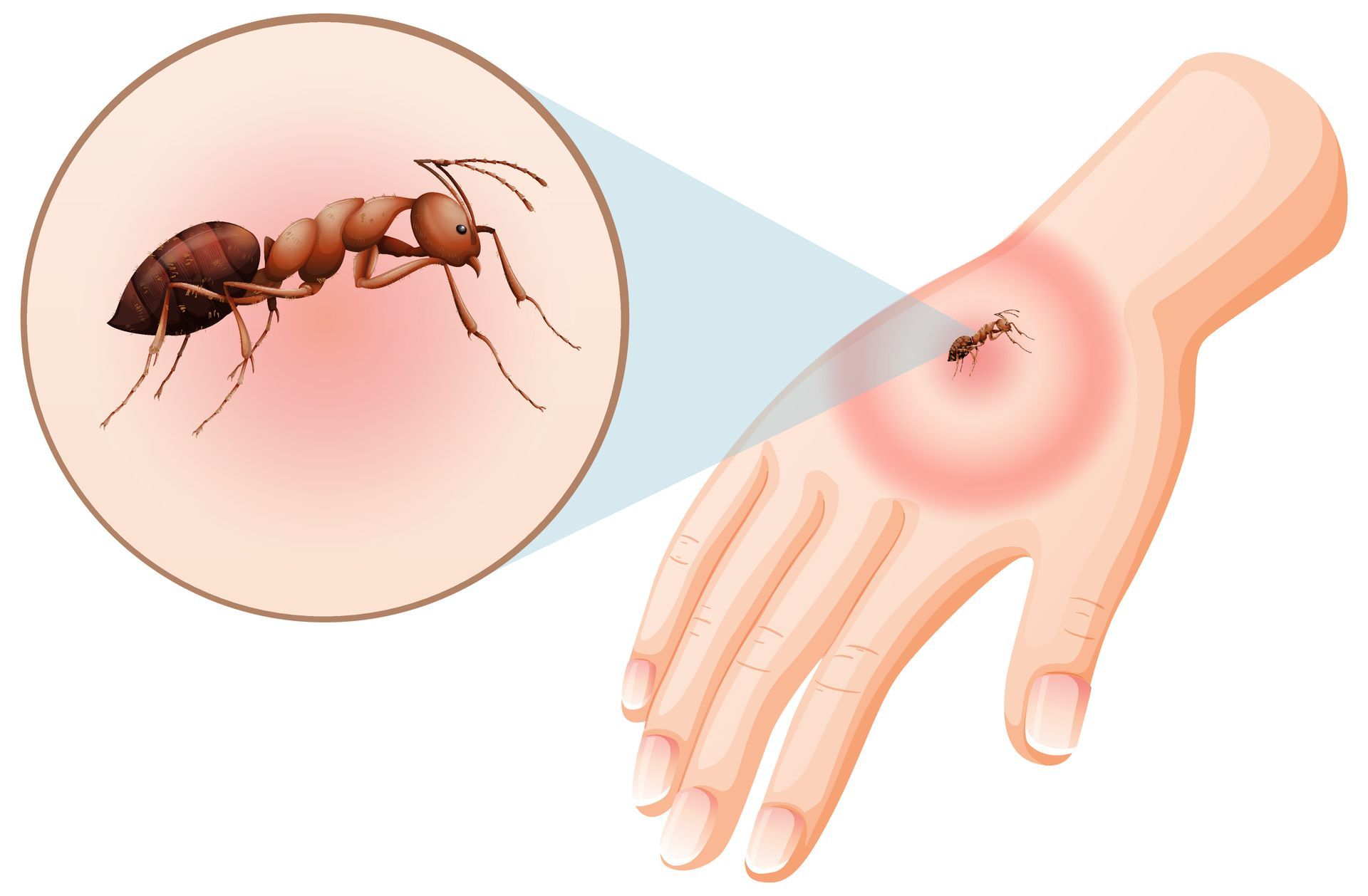
Everyone experiences an occasional itch. But when itching keeps coming back—especially if it’s widespread, intense, or interfering with sleep and quality of life—it’s called recurrent or chronic pruritus. For many people, itching is linked to obvious skin conditions like eczema, hives, or allergic rashes. For others, the skin looks completely normal, yet the sensation of itch persists.
As allergy, asthma, and immunology specialists, we often see patients who have been struggling with itching for months or even years. Sometimes they have tried multiple creams and antihistamines without relief. Our job in the clinic is not only to ease the discomfort, but also to search for hidden causes that may point to deeper health issues.
Why Recurrent Itching Matters
Itching may sound like a minor nuisance, but chronic pruritus affects quality of life almost as much as chronic pain. Patients often report sleep disturbance, anxiety, embarrassment, and skin infections from scratching. Medically, itching can signal conditions like liver disease, kidney disease, thyroid disorders, diabetes, iron deficiency, blood cancers, and neurologic or psychiatric causes.
Step One: Looking at the Skin
The first step in the clinic is examining the skin. If there are primary rashes—eczema, hives, nodules—the itch is likely dermatologic. If the skin looks normal (except for scratch marks), we think about systemic, neuropathic, or psychogenic causes.
Step Two: A Targeted Medical History
We ask about timing, distribution, associated symptoms, exposures, and stress levels. This holistic history helps us identify whether the itch is allergy-related, systemic, or influenced by psychological and social factors.
Step Three: Baseline Lab Work
If the cause isn’t obvious, we run baseline labs: CBC, iron studies, kidney function, liver panel, thyroid function, blood sugar, HIV and hepatitis screens. Sometimes we add special tests like protein electrophoresis or imaging.
Different Faces of Recurrent Pruritus
Pruritus may present with or without visible skin disease. We separate these two pathways to guide management.
- Pruritus With Dermatitis (Skin Rash Present)
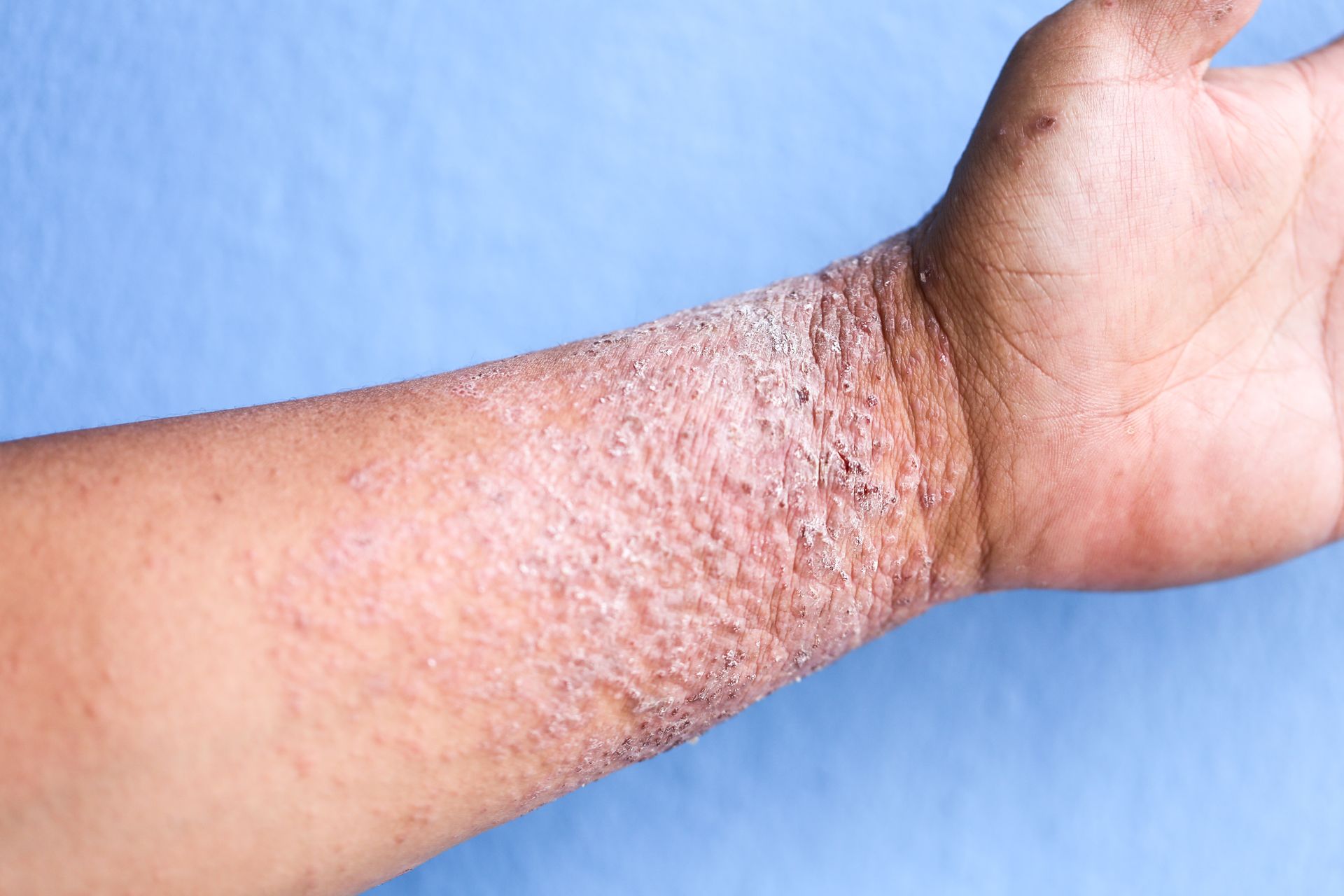
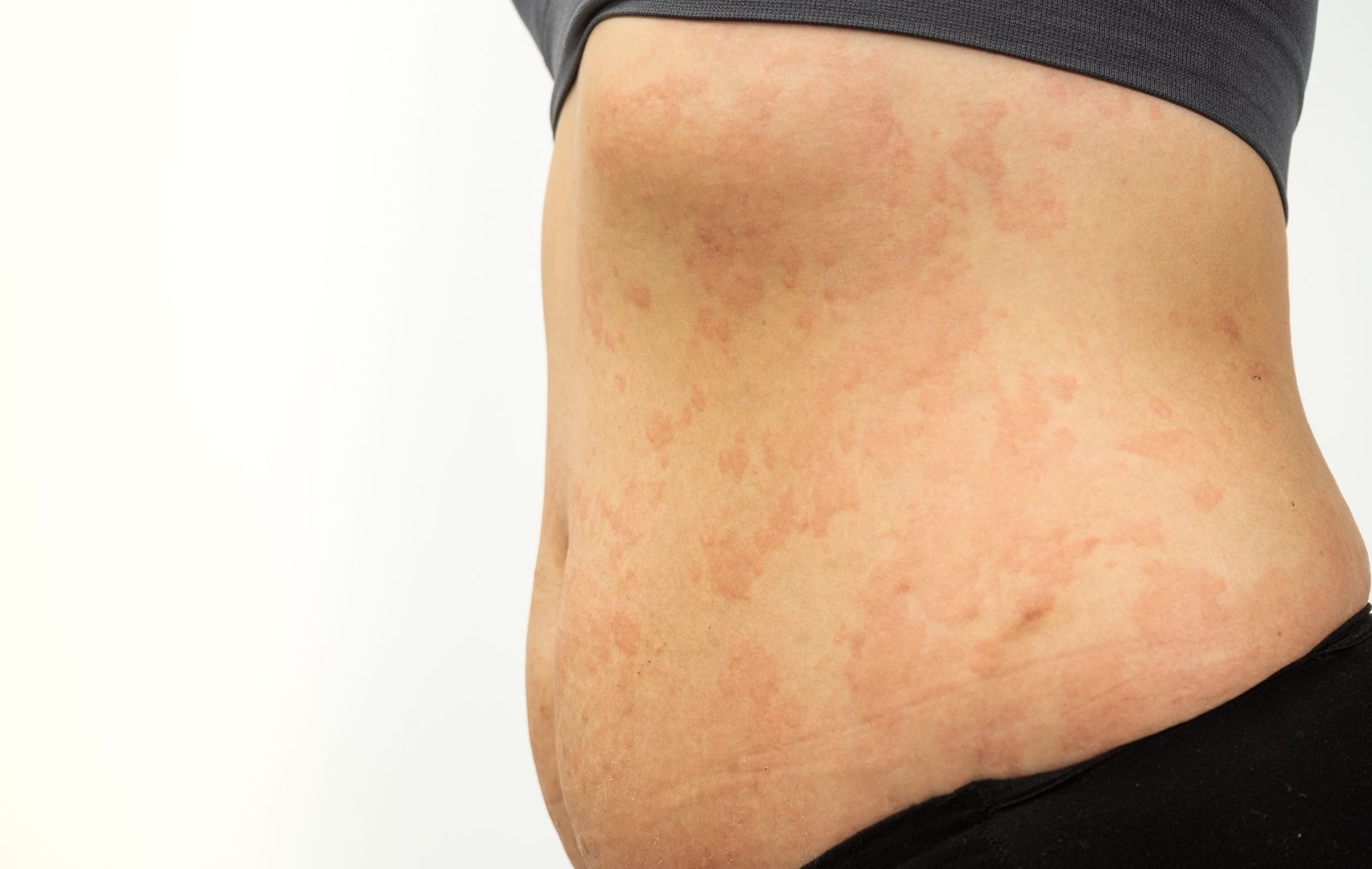
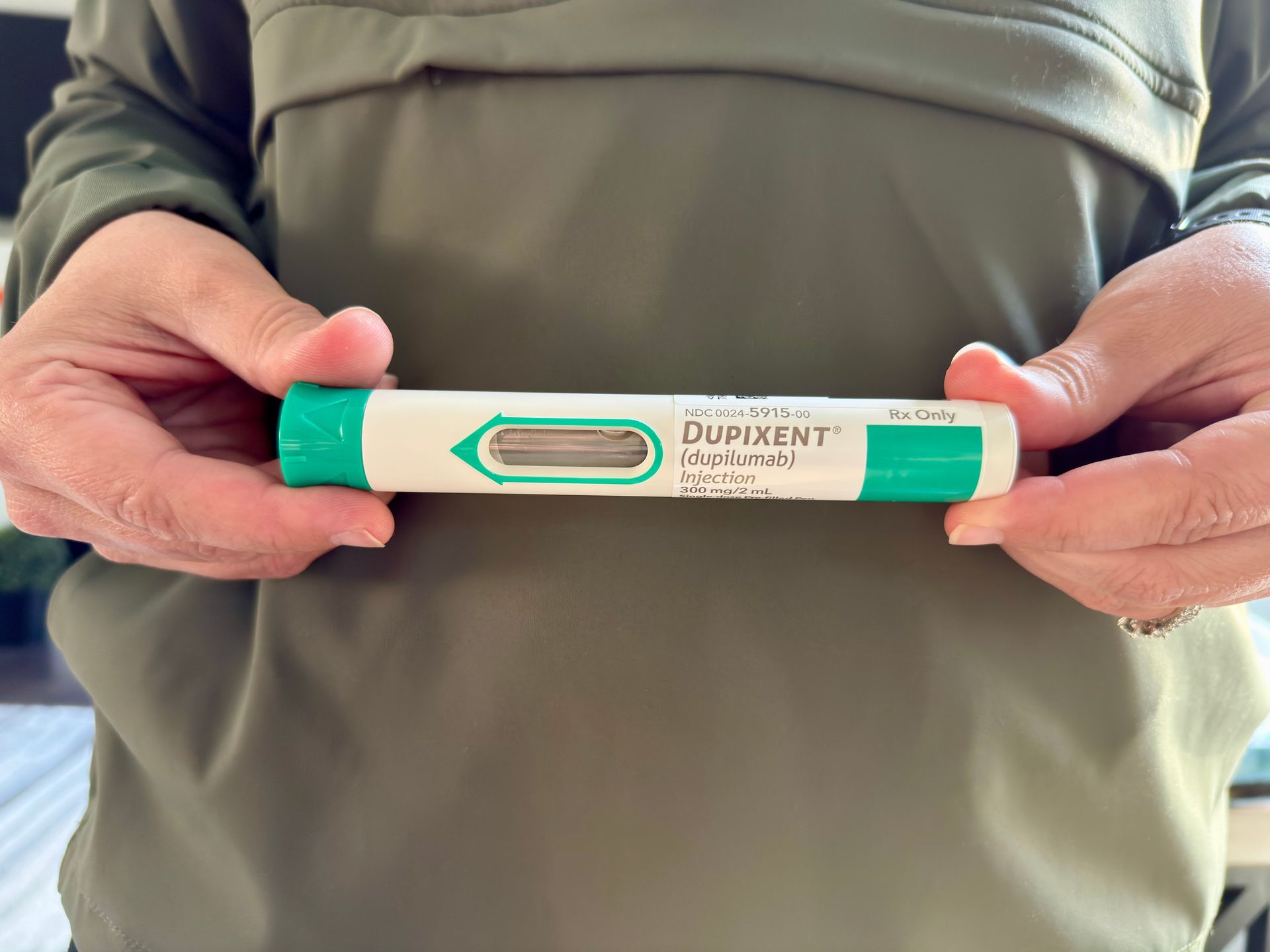
Conditions include eczema, contact dermatitis, hives, and prurigo nodularis. Treatments include moisturizers, topical steroids, antihistamines, and biologics like dupilumab and nemolizumab for severe cases.
- Pruritus Without Dermatitis (Skin Looks Normal)
Causes include liver disease, kidney disease, blood disorders, thyroid disease, neuropathic itch, and psychogenic itch. Treatment involves addressing the underlying condition, using medications like gabapentin or antidepressants, and referring to specialists when necessary.
The Social and Emotional Side of Itching
Chronic itch disrupts sleep, affects mood, and increases depression risk. We validate our patients’ experiences and offer support through counseling, stress management, and community resources.
Self-Care and Lifestyle Strategies
Daily moisturizers, gentle cleansers, soft fabrics, short nails, cool compresses, and stress management all help reduce itching and prevent skin damage.
When to See a Doctor
Seek care if itching lasts more than 2–3 weeks, disrupts sleep, occurs with systemic symptoms, or does not respond to basic remedies.
How We Approach Recurrent Itching in Our Clinic
At Allergy and Asthma Specialists of the Palm Beaches, we provide a stepwise approach: history, exam, allergy testing, lab work, targeted treatments, collaboration with specialists, and emotional health support.
Conclusion
Recurrent pruritus may stem from allergies, skin disease, or systemic illness. With the right evaluation and care, relief is possible. Chronic itching is not something patients have to live with.