Dust Mite Allergy in South Florida: Symptoms, Triggers, and How to Get Relief
Key Points
- Dust mites are microscopic insects that thrive in warm, humid environments and are one of the most common triggers of year-round allergic rhinitis and asthma
- South Florida's persistently high humidity makes dust mite exposure essentially unavoidable without deliberate management strategies
- Symptoms of dust mite allergy include nasal congestion, sneezing, itchy eyes, coughing, and worsened asthma, often present year-round rather than seasonally
- Reducing dust mite exposure at home combined with targeted medical treatment can significantly improve symptoms
- Dr. Jeffrey Jacobs offers dust mite allergy testing and treatment in Jupiter, FL
Medically reviewed by: Dr. Jeffrey Jacobs, MD | Board-Certified Allergist & Immunologist | August 2026
If your allergy symptoms never really go away, even when pollen counts are low and you have been staying indoors, dust mites may be the reason. Unlike pollen allergies, which follow a seasonal pattern, dust mite allergy causes symptoms year-round because dust mites live inside your home. In South Florida, where high humidity creates near-ideal conditions for dust mite survival, this is one of the most common and most persistently troublesome allergy triggers our patients deal with.
The good news is that dust mite allergy is very treatable once it is properly identified.
What Are Dust Mites?
Dust mites are microscopic, eight-legged insects related to spiders and ticks. They are too small to see with the naked eye and live primarily in soft furnishings, bedding, carpeting, upholstered furniture, and stuffed animals. They feed on dead skin cells shed by humans and pets, which means wherever people spend time, dust mites are typically present.
The allergy is not caused by the mites themselves but by proteins found in their waste particles and body fragments. These particles are extremely small and become airborne easily, particularly when bedding is disturbed, furniture is moved, or air circulates through a room. Once airborne, they are inhaled and trigger the immune response responsible for allergy symptoms.
A single mattress can harbor hundreds of thousands of dust mites under the right conditions. In South Florida, those conditions exist nearly every day of the year.
Why South Florida Is Particularly Challenging for Dust Mite Allergy
Dust mites thrive when indoor humidity stays above 50 percent and temperatures remain warm. In most northern climates, cold dry winters significantly reduce indoor dust mite populations for at least part of the year, giving sensitive patients a seasonal break.
In Palm Beach County, indoor humidity rarely drops to levels that stress dust mite populations. The warm, humid air that characterizes South Florida for most of the year creates a stable, favorable environment for year-round dust mite survival and reproduction. Even patients who run air conditioning consistently may maintain enough indoor humidity to support high dust mite levels, particularly in bedding and upholstered furniture where moisture from body heat and perspiration concentrates overnight.
This is why dust mite allergy in South Florida behaves differently than it does in other parts of the country. There is no winter reprieve. Symptoms in January look the same as symptoms in August, and patients who are sensitive to dust mites are effectively exposed every night while they sleep.
What Are the Symptoms of Dust Mite Allergy?
The symptoms of dust mite allergy overlap significantly with other forms of allergic rhinitis and include nasal congestion, a runny nose, sneezing, postnasal drip, itchy or watery eyes, and an itchy nose or throat. Fatigue from disrupted sleep is also common, since symptoms are often worst in the morning after a night of exposure in bed.
For patients who also have asthma, dust mite exposure is one of the most significant drivers of airway inflammation and asthma flares. Waking with chest tightness, coughing at night, or needing a rescue inhaler more frequently are all potential signs that dust mites are contributing to poorly controlled asthma.
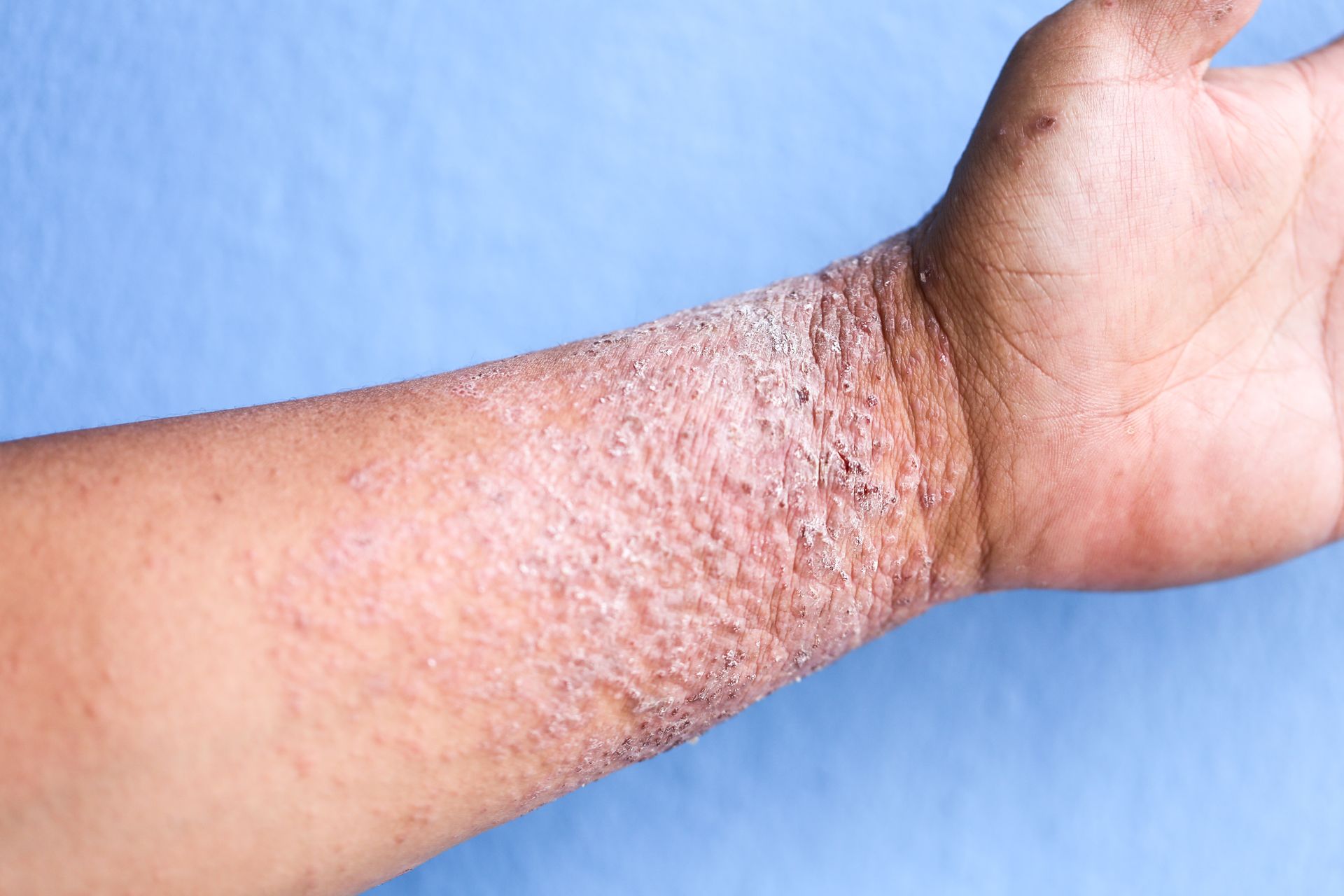
Dust mite allergy is also strongly associated with eczema and atopic dermatitis. In patients with eczema, dust mite exposure can trigger or worsen skin flares, and addressing the dust mite sensitization is sometimes an important part of managing the skin condition.
A pattern of symptoms that is present year-round, worse in the morning or after time in bed, and that improves when you spend time away from home are all clinical clues that point toward dust mites as a significant trigger.
How Is Dust Mite Allergy Diagnosed?
Diagnosis is straightforward and can be done in a single office visit. Food and environmental allergy skin testing includes dust mite allergens as part of the standard environmental panel. A small amount of dust mite extract is applied to the skin and a lancet is used to lightly prick the surface. If a raised bump forms within 15 to 20 minutes, it confirms sensitization to dust mites.
For patients who cannot undergo skin testing due to a skin condition or medication interaction, specific blood testing can measure dust mite-specific IgE antibody levels in the blood and provide the same diagnostic information.
Knowing that dust mites are a confirmed trigger rather than a suspected one matters because it allows treatment to be targeted precisely rather than broadly. It also opens the door to allergen immunotherapy, which requires confirmed sensitization as a starting point.
How to Reduce Dust Mite Exposure at Home
Environmental control is the first line of management for dust mite allergy and can produce meaningful symptom improvement when done consistently. The goal is to reduce the concentration of dust mite particles in the areas where you spend the most time, primarily the bedroom.
The single most impactful change most patients can make is encasing the mattress, box spring, and pillows in allergen-proof zippered covers. These covers create a barrier between you and the dust mite reservoir in your bedding. Washing all bedding in hot water (at least 130 degrees Fahrenheit) weekly kills dust mites and removes allergen particles. Bedding that cannot be washed in hot water can be placed in a dryer on high heat for 15 to 20 minutes as an alternative.
Reducing indoor humidity is also important. Running air conditioning consistently and using a dehumidifier in particularly humid areas of the home to keep indoor humidity between 40 and 50 percent creates conditions that are less hospitable for dust mites. In South Florida this requires active management rather than passive ventilation.
Additional steps that can help include removing carpeting from the bedroom and replacing with hard flooring, minimizing upholstered furniture in sleeping areas, avoiding fabric-covered headboards, reducing clutter where dust accumulates, and using a vacuum cleaner with a HEPA filter. Stuffed animals that children sleep with should be washed regularly or kept in sealed bags.
HEPA air purifiers in the bedroom can reduce airborne dust mite particle concentrations, though they have less impact on particles embedded in bedding and furniture.
Medical Treatment Options
Environmental control alone is rarely sufficient to fully manage dust mite allergy in South Florida, given the persistent nature of exposure. Medical treatment is an important complement.
Nasal corticosteroid sprays are the most effective medication class for controlling the nasal symptoms of dust mite allergy and work best when used consistently rather than as needed. Antihistamines help with sneezing, itching, and runny nose. For patients with asthma driven by dust mite allergy, appropriate controller inhaler therapy is also part of the management plan.
For patients who want a longer-term solution, allergen immunotherapy is the most effective option available. Allergy shots for dust mites work by gradually desensitizing the immune system to dust mite allergens over a course of three to five years. Many patients experience significant and durable symptom reduction that persists after completing the full course of treatment. Sublingual dust mite tablets are also FDA-approved as an alternative to injections for patients who are primarily sensitive to dust mites and prefer a home-based option.
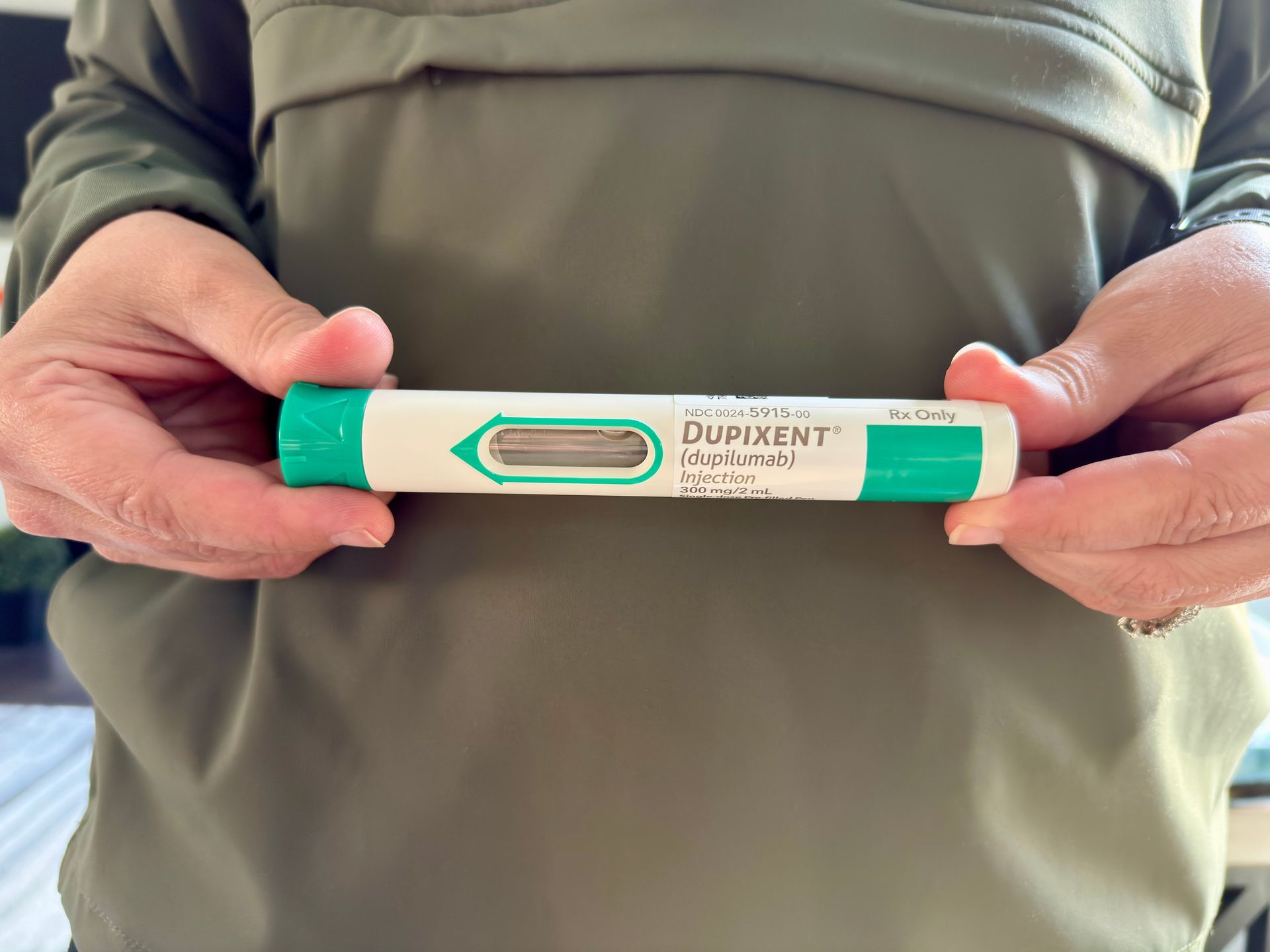
For patients with severe asthma or eczema that is being driven in part by dust mite sensitization, biologic medication management may also be part of the conversation depending on the severity and pattern of disease.
Frequently Asked Questions
Can you ever fully get rid of dust mites in your home? Complete elimination is not realistic. Dust mites are present in virtually every home and removing them entirely is not achievable with standard household measures. The goal is reducing their concentration to a level where your immune system is not being constantly provoked. Allergen-proof encasements, hot water washing, humidity control, and hard flooring significantly reduce exposure even if they do not eliminate it.
How do I know if my year-round symptoms are from dust mites or something else? The pattern of your symptoms is a useful clue. Dust mite allergy tends to cause symptoms that are worst in the morning after time in bed, that are present year-round without a seasonal pattern, and that may improve when you spend extended time away from home. Formal allergy testing is the only reliable way to confirm dust mite sensitization versus other indoor allergens like pet dander, mold, or cockroach.
Are children more affected by dust mite allergy than adults? Children are frequently sensitized to dust mites, and dust mite allergy is a significant driver of childhood asthma and eczema. Because children spend more time at home and often sleep with stuffed animals and fabric toys that harbor dust mites, their exposure can be particularly high. Testing children who have year-round nasal symptoms, chronic cough, or persistent eczema for dust mite sensitivity is a worthwhile step.
Does air conditioning help with dust mite allergy in Florida? Running air conditioning consistently helps by reducing indoor humidity, which limits dust mite survival and reproduction. However, air conditioning alone does not eliminate dust mites already established in bedding and furniture. It is most effective as part of a broader environmental control strategy that also includes allergen-proof encasements and hot water washing.
Can dust mite allergy shots really make a long-term difference? Yes. Allergen immunotherapy for dust mites is one of the most well-studied applications of allergy shots, and the evidence for long-term benefit is strong. Most patients who complete a full course of treatment experience significant reduction in both nasal and asthma symptoms, often with sustained benefit for years after finishing. For patients in South Florida where dust mite avoidance is difficult year-round, immunotherapy offers a meaningful alternative to indefinite daily medication.
Is a sublingual dust mite tablet as effective as allergy shots? FDA-approved sublingual dust mite tablets are effective for patients who are primarily sensitized to dust mites and whose symptoms are predominantly nasal. For patients with multiple environmental sensitivities or significant asthma, allergy shots may provide broader and more comprehensive coverage. Dr. Jacobs can help determine which approach is the better fit based on your specific allergy profile and treatment goals.
If your allergy symptoms never seem to fully go away, dust mites may be playing a bigger role than you realize. Call our Jupiter office at (561) 510-7232 or book online here to schedule an appointment with Dr. Jacobs.
Disclaimer: The information provided on this blog is for general informational purposes only and is not intended as, and should not be considered, medical advice. All information, content, and material available on this blog are for general informational purposes only. Readers are advised to consult with a qualified healthcare professional for medical advice, diagnosis, or treatment. The author and the blog disclaim any liability for the decisions you make based on the information provided. Always seek the advice of your physician or other qualified health provider with any questions you may have regarding a medical condition.