Chronic Sinusitis vs. Allergies: How to Tell the Difference and When to See an Allergist
Key Points
- Chronic sinusitis and allergic rhinitis share many of the same symptoms but have different underlying causes and require different treatment approaches
- Untreated allergic rhinitis is one of the most common drivers of chronic sinusitis, making allergy evaluation a critical first step for patients with recurrent sinus problems
- Symptoms lasting more than 12 weeks, recurring sinus infections, or congestion that does not respond to standard treatment are all reasons to seek a specialist evaluation
- A board-certified allergist can identify whether allergies are contributing to chronic sinus disease and address both conditions with a unified treatment plan
- Dr. Jeffrey Jacobs offers comprehensive evaluation and treatment for chronic sinusitis and allergic rhinitis in Jupiter, FL
Medically reviewed by: Dr. Jeffrey Jacobs, MD | Board-Certified Allergist & Immunologist | September 2026
Facial pressure, nasal congestion, postnasal drip, and a persistent sense of not being able to breathe clearly through your nose are symptoms that bring a lot of patients into primary care offices every year. Some of those patients are told they have allergies. Some are told they have a sinus infection. Many are told both. And a significant number keep coming back with the same symptoms despite repeated courses of antibiotics and over-the-counter allergy medications that never quite get the job done.
The reason this cycle repeats so often is that allergies and chronic sinusitis are closely connected, and treating one without addressing the other rarely produces lasting relief.
What Is the Difference Between Allergies and Sinusitis?
Allergic rhinitis and sinusitis are distinct conditions that affect different structures in the upper airway, though they overlap significantly in symptoms and frequently coexist.
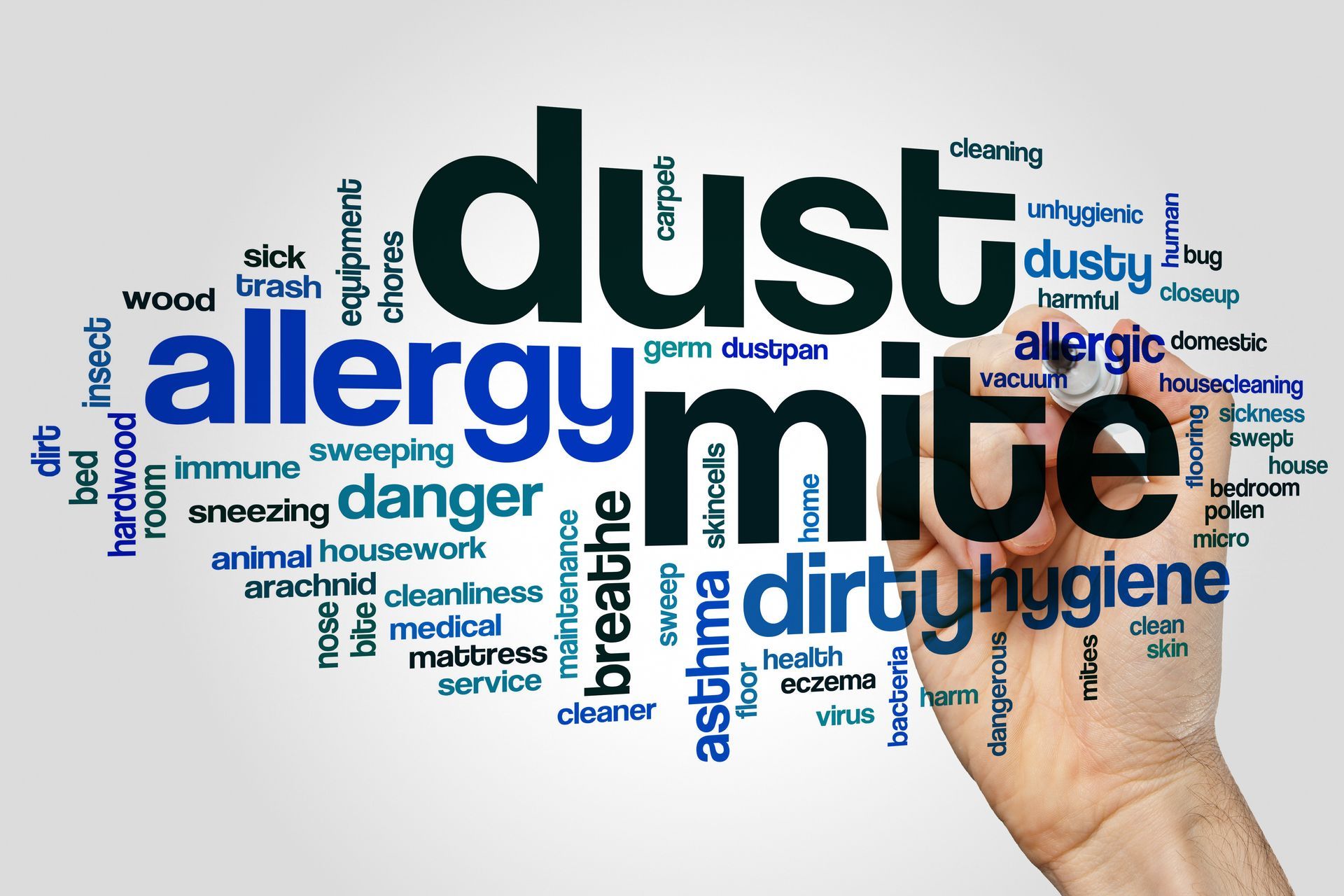
Allergic rhinitis is an immune-mediated inflammation of the nasal passages triggered by airborne allergens. When you inhale something your immune system has identified as a threat, such as pollen, dust mites, mold, or pet dander, it releases histamine and other chemicals that cause the nasal lining to swell, produce excess mucus, and become irritated. The result is congestion, runny nose, sneezing, and postnasal drip. Allergic rhinitis is driven by an allergic sensitization and responds to antihistamines, nasal corticosteroid sprays, and allergen immunotherapy.
Sinusitis is an inflammation of the sinus cavities, the air-filled spaces in the skull that surround the nasal passages. The sinuses are connected to the nasal passages by small openings, and when nasal inflammation causes those openings to swell shut, mucus cannot drain properly. Trapped mucus creates an environment where bacteria, viruses, or fungi can grow, leading to sinus infection and the facial pain, pressure, and congestion associated with sinusitis.
Acute sinusitis lasts less than four weeks and is typically caused by a viral upper respiratory infection. Chronic sinusitis is defined as sinus inflammation lasting 12 weeks or longer, with or without recurring acute infections. It is the persistence that distinguishes it from a typical sinus infection, and it is the chronic form that most often has an allergic component driving it.
How Allergies Drive Chronic Sinusitis
The connection between allergic rhinitis and chronic sinusitis is direct and well established. Allergic inflammation in the nasal passages causes chronic swelling of the nasal lining and the openings that connect the sinuses to the nasal cavity. When those openings are persistently narrowed by allergic inflammation, the sinuses cannot drain or ventilate properly even between acute infections. This creates a cycle where the sinuses are perpetually vulnerable to infection, and each infection adds another layer of inflammation that makes the underlying problem worse.
Patients with untreated or inadequately controlled allergic rhinitis are significantly more likely to develop chronic sinusitis than those without allergic disease. In South Florida, where allergen exposure is year-round and patients rarely get a complete environmental break, this connection is particularly relevant. The same dust mites, mold, and subtropical pollen driving nasal symptoms in January are still present in August, meaning the nasal inflammation that sets the stage for chronic sinusitis never fully resolves.
This is why a patient who keeps getting recurrent sinus infections despite repeated antibiotic courses may not have a bacterial resistance problem. They may have an underlying allergic driver that has never been identified or treated, and antibiotics alone will never address it.
Symptoms: How Do You Tell Them Apart?
Because allergic rhinitis and chronic sinusitis share so many symptoms, distinguishing between them based on symptoms alone is genuinely difficult. Both cause nasal congestion, postnasal drip, and reduced sense of smell. Both can cause headache and fatigue. Both can cause a chronic cough from postnasal drip irritating the throat.
There are some symptoms that lean more heavily toward one condition than the other.
Symptoms more characteristic of allergic rhinitis include itching of the nose, eyes, or throat, sneezing, clear and watery nasal discharge, and symptoms that worsen with known allergen exposures or during high pollen seasons. Eye involvement, particularly itchy or watery eyes, is strongly associated with allergic rhinitis rather than sinusitis.
Symptoms more characteristic of sinusitis include facial pain or pressure, particularly in the cheeks, forehead, or around the eyes, thick or discolored nasal discharge, a reduced or absent sense of smell, and symptoms that developed or worsened following a respiratory infection. Tooth pain in the upper jaw, caused by pressure from inflamed maxillary sinuses, is another sinusitis-specific symptom.
In practice, many patients have both, and the symptom overlap is significant enough that testing rather than symptom pattern alone is the most reliable way to establish what is driving the problem.
When Should You See an Allergist Instead of a Primary Care Physician?
Primary care physicians appropriately manage many cases of acute sinusitis and mild allergic rhinitis. But there are clear situations where an allergist evaluation is the better first step and where continuing to manage through primary care is likely to produce the same frustrating cycle of partial improvement and recurrence.
You should consider seeing an allergist if your sinus or nasal symptoms have been present for more than 12 weeks, if you have had two or more sinus infections in the past year, if your symptoms do not respond adequately to over-the-counter antihistamines and nasal sprays, if you are using antibiotics repeatedly for sinus infections without lasting resolution, if your symptoms affect your sleep or daily functioning, or if you also have asthma or eczema that may share an allergic driver with your sinus problems.
An allergist is specifically trained to identify whether allergies are contributing to chronic sinus disease, to perform the allergy testing needed to confirm which allergens are involved, and to offer immunotherapy as a long-term solution that addresses the underlying allergic driver rather than just managing the downstream consequences.
What Does an Allergist Evaluation for Chronic Sinusitis Look Like?
The evaluation begins with a detailed symptom history. Dr. Jacobs will ask about the duration and pattern of your symptoms, what makes them better or worse, your history of sinus infections and how they were treated, any prior allergy testing, your home and work environment, and any other allergic conditions you have.
Food and environmental allergy skin testing or specific blood testing identifies which specific allergens your immune system is responding to. In South Florida, the testing panel will include the full range of local environmental allergens: dust mites, mold species, subtropical and temperate pollen types, pet dander, and cockroach. Knowing precisely which allergens are driving nasal inflammation allows treatment to be targeted rather than generic.
Nasal endoscopy or imaging may be recommended if the evaluation suggests structural sinus disease, nasal polyps, or a degree of chronic sinusitis that warrants further assessment beyond allergy testing alone. In some cases, referral to an otolaryngologist (ENT) is appropriate alongside allergy management, particularly when structural intervention is needed.
Treatment: Addressing Both Conditions Together
The most effective approach to managing allergic rhinitis-driven chronic sinusitis is to treat both conditions simultaneously rather than sequentially.
Nasal corticosteroid sprays reduce inflammation in both the nasal passages and the sinus openings, improving drainage and reducing the frequency of acute infections. They are a cornerstone of treatment for both allergic rhinitis and chronic sinusitis and work best when used consistently rather than intermittently.
Saline nasal irrigation, using a neti pot or squeeze bottle with a saline rinse, helps clear allergens, mucus, and inflammatory debris from the nasal passages and sinuses. It is a simple and effective complementary measure that most patients with chronic sinus problems benefit from.
For patients with confirmed allergic sensitization, allergen immunotherapy offers the most meaningful long-term benefit. By reducing the immune system's reactivity to the allergens driving nasal inflammation, immunotherapy addresses the root cause of the recurrent sinusitis cycle rather than just managing symptoms. Multiple studies support the role of allergen immunotherapy in reducing sinus infection frequency and improving quality of life in patients with allergic rhinitis-associated chronic sinusitis.
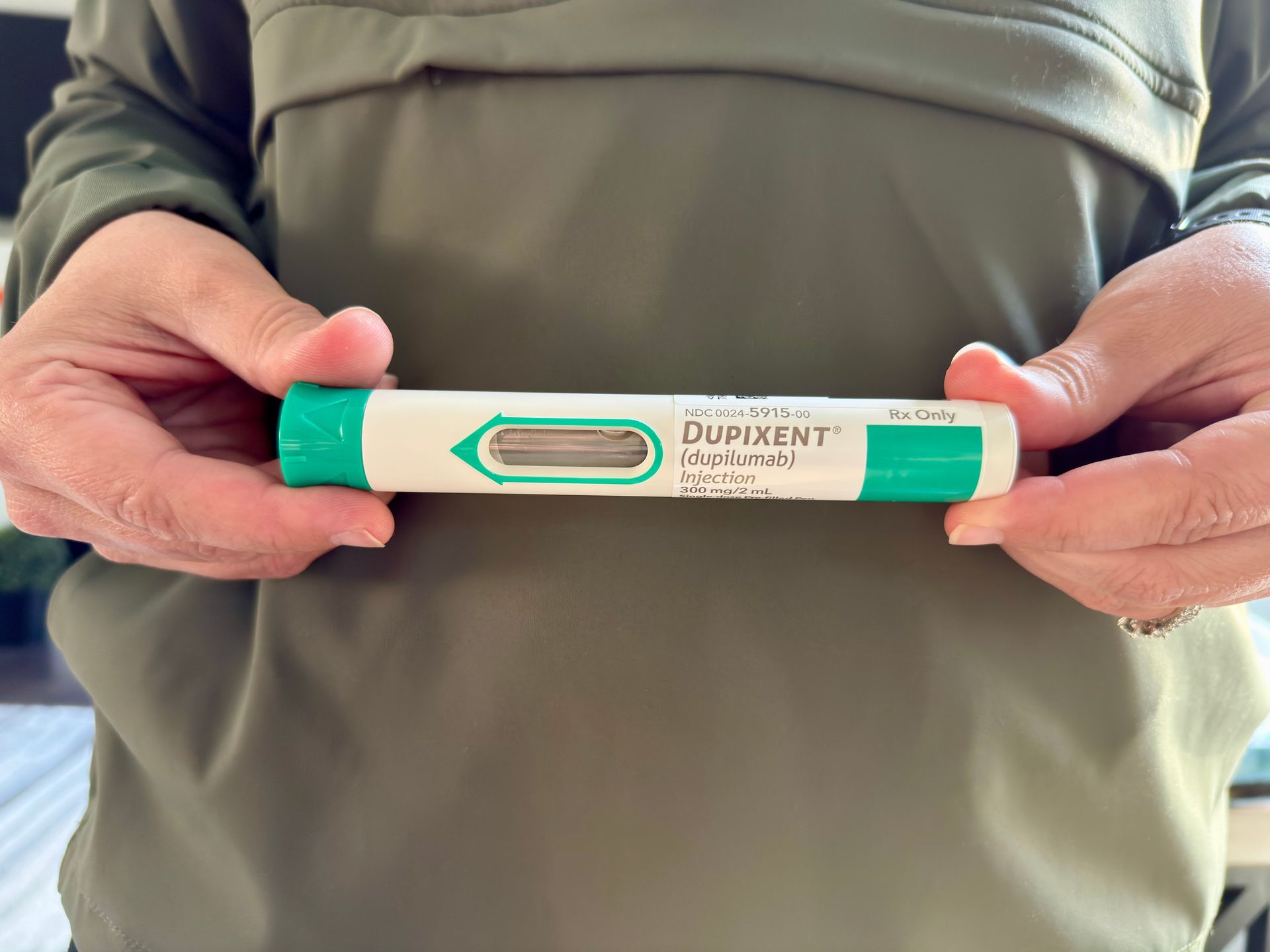
For patients with chronic sinusitis with nasal polyps, a condition where inflammatory growths develop in the sinus cavities and significantly impair drainage and smell, biologic medication management with Dupixent is FDA-approved and can produce dramatic improvement in polyp burden and sinus symptoms without surgery in appropriately selected patients.
Frequently Asked Questions
Can I have both allergies and chronic sinusitis at the same time?
Yes, and this is actually the most common scenario for patients with persistent sinus symptoms. Allergic rhinitis is one of the most significant drivers of chronic sinusitis, and the two conditions frequently coexist. Treating only the sinusitis without addressing the underlying allergic inflammation typically leads to recurrence. An allergist evaluation identifies both components so they can be managed together.
Why do I keep getting sinus infections even after taking antibiotics?
Recurrent sinus infections despite antibiotic treatment are a strong signal that there is an underlying structural or immune issue maintaining the cycle. In most cases, the underlying driver is allergic inflammation that keeps the sinus drainage pathways chronically narrowed and the sinus environment vulnerable to infection. Addressing the allergic component with appropriate treatment significantly reduces infection frequency for most patients.
Does living in South Florida make chronic sinusitis worse?
For patients with allergic rhinitis, yes. South Florida's year-round allergen burden, high humidity, and mold exposure mean that the nasal inflammation driving chronic sinusitis never gets a seasonal break. Patients who managed their sinus problems reasonably well in other climates sometimes find them significantly worse after moving to Palm Beach County, particularly if they develop new sensitivities to local subtropical plants.
Do nasal polyps always require surgery?
Not anymore. Biologic medications, particularly Dupixent, have transformed the management of chronic sinusitis with nasal polyps and can produce significant reduction in polyp size and improvement in symptoms without surgery in many patients. Surgery remains an option for patients who do not respond adequately to medical therapy or who have structural disease that requires intervention, but it is no longer the only path forward for polyp-related chronic sinusitis.
How is an allergist different from an ENT for sinus problems?
An allergist focuses on identifying and treating the immune-mediated drivers of sinus disease, primarily allergic rhinitis, and offering immunotherapy as a long-term solution. An ENT focuses on the structural aspects of sinus disease and performs procedures like sinus surgery when structural intervention is needed. For patients whose sinus problems are driven primarily by allergies, an allergist is often the right first specialist. For patients with significant structural disease or polyps requiring surgical evaluation, an ENT may also be involved. The two specialties complement each other and often collaborate on complex cases.
Can children develop chronic sinusitis from allergies?
Yes. Children with allergic rhinitis are at increased risk for chronic sinusitis and recurrent ear infections due to the same mechanism of allergic inflammation narrowing drainage pathways. Children who have frequent sinus or ear infections alongside nasal symptoms, or who have other allergic conditions like asthma or eczema, are good candidates for allergy evaluation to identify and address the underlying driver.
If sinus problems keep coming back no matter what you try, allergies may be the piece that has never been properly addressed. Call our Jupiter office at (561) 510-7232 or book online here to schedule an appointment with Dr. Jacobs.
Disclaimer: The information provided on this blog is for general informational purposes only and is not intended as, and should not be considered, medical advice. All information, content, and material available on this blog are for general informational purposes only. Readers are advised to consult with a qualified healthcare professional for medical advice, diagnosis, or treatment. The author and the blog disclaim any liability for the decisions you make based on the information provided. Always seek the advice of your physician or other qualified health provider with any questions you may have regarding a medical condition.