Chronic Hives (Chronic Idiopathic Urticaria): Why They Happen and How to Get Relief
Key Points
- Chronic hives (chronic idiopathic urticaria) are defined as hives that occur most days of the week for six weeks or longer without an identifiable external cause
- Despite the name "idiopathic," chronic hives are now understood to involve an immune system dysfunction rather than a simple allergic reaction to a trigger
- Antihistamines are the first-line treatment, but many patients with chronic hives require additional therapy to achieve adequate control
- Newer treatments including Dupixent and the recently FDA-approved remibrutinib offer meaningful options for patients whose hives do not respond to antihistamines
- Dr. Jeffrey Jacobs offers comprehensive evaluation and treatment for chronic hives at Allergy & Asthma Specialists of the Palm Beaches in Jupiter, FL
Medically reviewed by: Dr. Jeffrey Jacobs, MD | Board-Certified Allergist & Immunologist | August 2026
Hives that last a day or two after eating something unusual or being stung by an insect are one thing. Hives that keep coming back day after day, week after week, with no clear explanation, are something else entirely. Chronic hives are more common than most people realize, more disruptive to daily life than they are often given credit for, and more treatable today than they have ever been.
If you have been dealing with recurring welts, intense itching, and the frustration of not knowing why, this is worth reading.
What Are Chronic Hives?
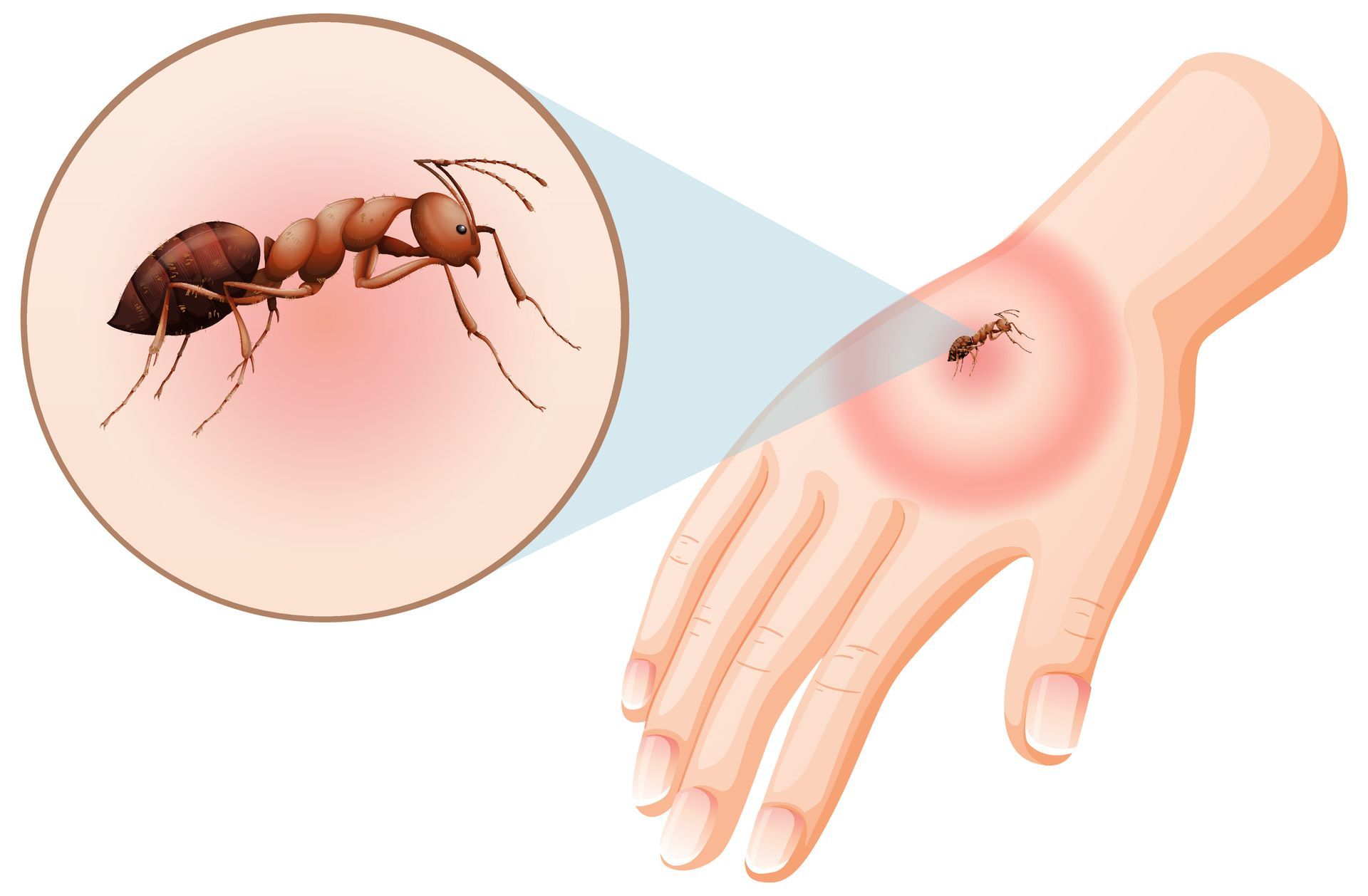
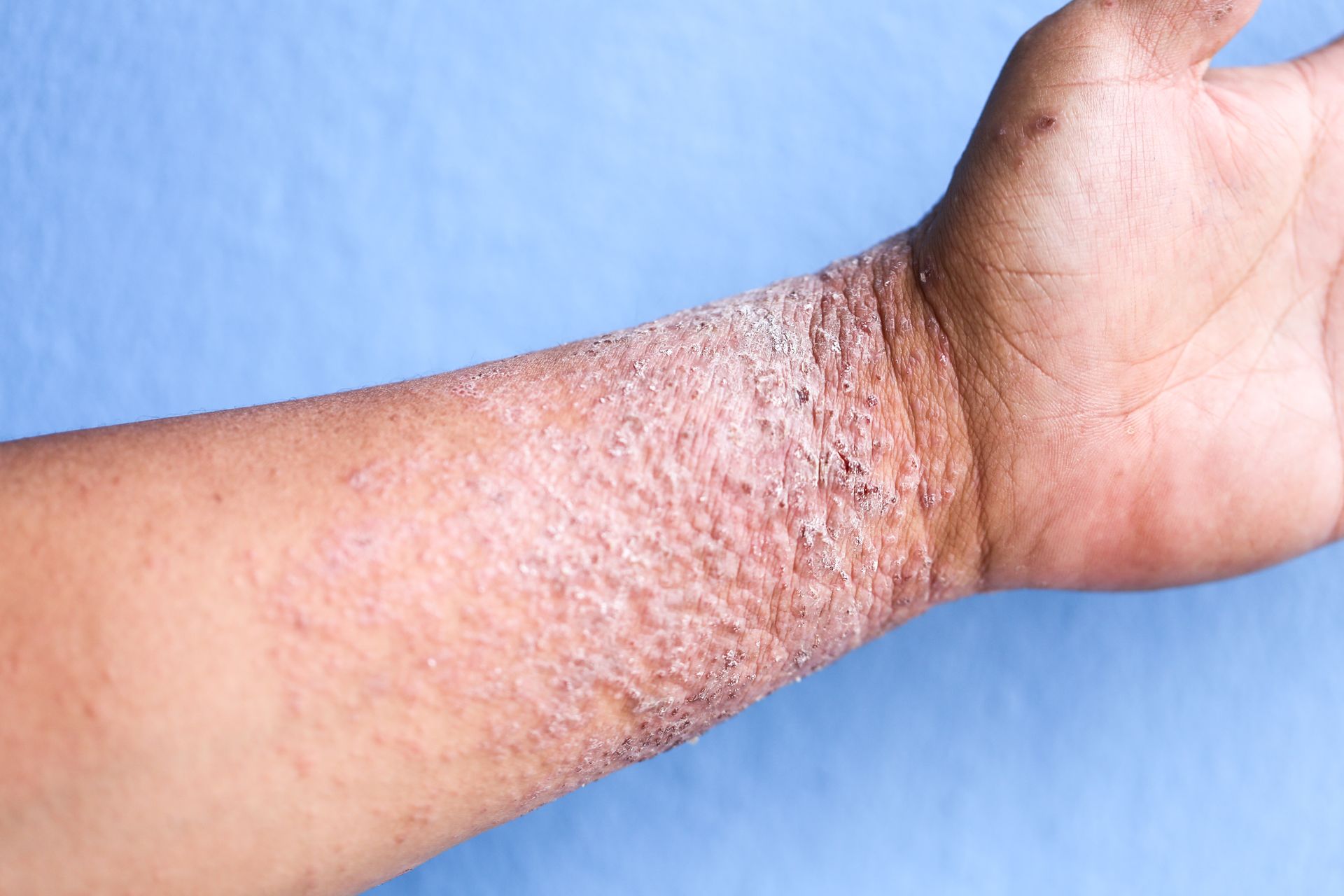
Hives, medically called urticaria, are raised, itchy welts that appear on the skin when cells release histamine and other chemicals in response to a perceived threat. Individual hive lesions typically appear and fade within 24 hours, but new ones may continue to form as others resolve, creating the appearance of persistent hives even though the individual lesions are cycling.
Chronic urticaria is defined as hives that occur on most days of the week for six weeks or longer. Within that category, chronic spontaneous urticaria (also called chronic idiopathic urticaria) refers specifically to hives that arise without a consistent identifiable external trigger. This distinguishes it from inducible urticaria, where hives are reliably provoked by a specific physical stimulus like pressure, cold, heat, or exercise.
Chronic spontaneous urticaria affects an estimated one to two percent of the population at any given time and can persist for months to years. It is not life-threatening in most cases, but the impact on quality of life is significant. Constant itching, unpredictable flares, disrupted sleep, and the anxiety of not understanding what is happening to your body take a real toll.
What Causes Chronic Hives?
This is the question most patients ask first and the one that is most difficult to answer simply. Despite the word "idiopathic," which means without an identifiable cause, chronic spontaneous urticaria is increasingly understood as an autoimmune condition rather than a random or purely mysterious one.
Research over the past two decades has shown that a large proportion of patients with chronic spontaneous urticaria have autoantibodies, immune proteins that mistakenly target the body's own cells. In this case, the autoantibodies activate mast cells and basophils, the immune cells responsible for releasing histamine, causing them to fire without an external allergen trigger. The result is histamine release and hive formation that occurs from the inside out rather than in response to something encountered in the environment.
This is an important distinction because it explains why standard allergy testing frequently comes back negative in patients with chronic hives, and why simply avoiding foods or environmental triggers rarely resolves the condition. There is typically no external trigger to avoid. The immune system is generating the reaction on its own.
Other factors that may contribute to or worsen chronic hives include thyroid autoimmunity, certain infections, nonsteroidal anti-inflammatory drugs like ibuprofen and aspirin, and stress. These do not cause the underlying condition but can lower the threshold for flares in patients who already have it.
How Is Chronic Urticaria Evaluated?
When a patient presents with hives lasting more than six weeks, the evaluation focuses on two things: ruling out identifiable underlying causes and confirming the diagnosis of chronic spontaneous urticaria.
A thorough history is the starting point. Dr. Jacobs will ask about the pattern of your hives, what makes them better or worse, any associated swelling (angioedema), your medications, recent infections, and your personal and family medical history. The goal is to identify whether a specific trigger or underlying condition is present that could be addressed directly.
Laboratory work typically includes blood tests to check for thyroid dysfunction and thyroid autoantibodies, inflammatory markers, and a complete blood count. In some cases, additional testing is done to rule out other conditions that can cause hive-like skin changes.
Food and environmental allergy skin testing or specific blood testing may be performed, not because food allergy is the typical driver of chronic spontaneous urticaria, but to ensure that a straightforward allergic trigger has not been overlooked. In the majority of chronic hive patients, allergy testing is negative, which helps confirm the diagnosis and redirect treatment appropriately.
What Is Angioedema and How Does It Relate to Chronic Hives?
Many patients with chronic hives also experience angioedema, a deeper swelling that occurs beneath the skin rather than on its surface. Angioedema most commonly affects the lips, eyelids, hands, feet, and genitals, and can also involve the tongue and throat. When angioedema affects the airway, it becomes a medical emergency.
Angioedema that occurs alongside chronic hives is typically part of the same immune process and responds to the same treatments. Angioedema that occurs without hives is a distinct condition with a different set of causes, including a hereditary form called hereditary angioedema that requires specialized evaluation and treatment. If you experience recurrent swelling without hives, that distinction is important to establish with an allergist.
Treatment Options for Chronic Hives
Treatment for chronic spontaneous urticaria follows a stepwise approach, starting with the safest and most tolerable options and escalating based on response.
Second-generation antihistamines, medications like cetirizine, loratadine, and fexofenadine, are the standard first-line treatment. They work by blocking histamine receptors and reducing the itch and wheal response. For many patients, daily antihistamine use provides adequate control. Guidelines support using higher-than-standard doses when standard doses are insufficient, under physician supervision.
When antihistamines alone do not provide adequate control, which is the case for a substantial proportion of patients with chronic spontaneous urticaria, additional treatment options are available.
Xolair (omalizumab) is a biologic medication that targets IgE and is FDA-approved for chronic idiopathic urticaria in patients whose symptoms are not adequately controlled by antihistamines. It is administered by injection in the office every four weeks and has a well-established track record in this condition. Many patients experience significant reduction in hive frequency and severity within the first one to three months of treatment.
Dupixent (dupilumab), which works by blocking the IL-4 and IL-13 inflammatory pathway, recently received FDA approval for chronic spontaneous urticaria, expanding its already broad role in allergic disease. It offers another effective option for patients who have not responded adequately to antihistamines or who are looking for an alternative to Xolair.
Remibrutinib is one of the newest developments in this space. FDA-approved in 2025, it is the first oral, non-biologic medication to demonstrate strong efficacy for chronic hives. It works by blocking a signaling enzyme called BTK that plays a role in mast cell activation. For patients who prefer an oral medication over injections, remibrutinib represents a meaningful new option.
Biologic medication management and administration at our Jupiter office includes the full scope of care for patients pursuing biologic therapy for chronic hives, from clinical evaluation and insurance prior authorization to in-office administration and ongoing monitoring.
How Long Do Chronic Hives Last?
One of the most common questions patients have is whether chronic hives ever go away on their own. The answer is yes, for most patients, though the timeline varies considerably.
Studies suggest that approximately 50 percent of patients with chronic spontaneous urticaria experience remission within one year, and the majority achieve remission within five years. However, a subset of patients has a more prolonged course, and flares can recur after periods of remission. The unpredictability of the condition is part of what makes it so difficult to live with, and it is one of the reasons that effective symptom control during active disease matters so much.
Frequently Asked Questions
Is chronic urticaria the same as a food allergy? No. Chronic spontaneous urticaria is not caused by food allergy in the vast majority of cases. Food allergies cause hives that are consistently triggered by a specific food and typically occur within minutes to two hours of eating that food. Chronic idiopathic urticaria occurs spontaneously without a consistent external trigger and is driven by internal immune dysfunction rather than an external allergen. Allergy testing is typically negative in chronic hive patients, which helps confirm the diagnosis.
Why do my hives seem worse at night? Nighttime worsening of chronic hives is common and is related to the natural circadian rhythm of cortisol, a hormone that has anti-inflammatory effects. Cortisol levels drop in the evening and overnight, which reduces the body's natural suppression of the inflammatory process driving hives. Histamine levels also tend to be higher at night in some patients. This pattern is a recognized feature of chronic urticaria rather than a sign that something unusual is happening.
Can stress cause chronic hives? Stress does not cause chronic spontaneous urticaria, but it is a recognized flare trigger in patients who already have the condition. Emotional stress can activate the immune system and lower the threshold for mast cell activation, worsening hives in susceptible individuals. Managing stress is a reasonable complementary strategy but is not a substitute for appropriate medical treatment.
How is chronic urticaria different from an allergic reaction? An acute allergic reaction causes hives in response to a specific external trigger, such as a food, medication, or insect sting. The hives appear quickly after exposure and typically resolve within hours to a day once the trigger is removed or treated. Chronic urticaria occurs spontaneously on most days for six weeks or more without a consistent external trigger. The underlying mechanism is different, the treatment approach is different, and the evaluation process is different.
Are there any lifestyle changes that help with chronic hives? Some patients find that avoiding aspirin and ibuprofen reduces flare frequency, as these medications can worsen urticaria by affecting inflammatory pathways in the skin. Avoiding tight clothing and heat exposure can help reduce physical triggers. Keeping a symptom diary may help identify any personal patterns. Beyond these measures, lifestyle changes alone are rarely sufficient to control chronic spontaneous urticaria, and medical treatment is the primary management strategy for most patients.
Will I need to take medication for chronic hives forever? Not necessarily. The goal of treatment is to control symptoms during the active phase of the disease while monitoring for spontaneous remission. Many patients are able to step down and eventually discontinue treatment after a period of sustained control. Dr. Jacobs monitors response over time and adjusts the treatment plan accordingly, with the goal of using the minimum effective treatment needed to keep symptoms under control.
Chronic hives are not something you simply have to live with. Effective treatment options exist and the field has advanced significantly in recent years. Call our Jupiter office at (561) 510-7232 or book online here to schedule an appointment with Dr. Jacobs.
Disclaimer: The information provided on this blog is for general informational purposes only and is not intended as, and should not be considered, medical advice. All information, content, and material available on this blog are for general informational purposes only. Readers are advised to consult with a qualified healthcare professional for medical advice, diagnosis, or treatment. The author and the blog disclaim any liability for the decisions you make based on the information provided. Always seek the advice of your physician or other qualified health provider with any questions you may have regarding a medical condition.