Fire Ant and Insect Venom Allergy in South Florida: What You Need to Know
Key Points
- Fire ant stings are one of the most common causes of severe allergic reactions and anaphylaxis in South Florida due to the insects' widespread presence throughout Palm Beach County
- A large local reaction to a sting is not the same as a systemic allergic reaction, and understanding the difference is critical for knowing when to seek specialist care
- Venom allergy testing confirms which insects you are sensitized to and how significant your risk of a serious reaction may be
- Venom immunotherapy (allergy shots for insect venom) is highly effective and can reduce the risk of anaphylaxis from a future sting by up to 98 percent
- Dr. Jeffrey Jacobs offers insect venom testing and immunotherapy at Allergy & Asthma Specialists of the Palm Beaches in Jupiter, FL
Medically reviewed by: Dr. Jeffrey Jacobs, MD | Board-Certified Allergist & Immunologist | September 2026
Most people who get stung by a fire ant or a bee have a reaction that is unpleasant but not dangerous. Localized pain, swelling, and redness at the sting site are a normal immune response. But for a significant subset of the population, a sting triggers something far more serious: a systemic allergic reaction that can escalate rapidly to anaphylaxis, a life-threatening emergency that requires immediate treatment.
In South Florida, where fire ants are a year-round outdoor reality and where warm weather means extended exposure to stinging insects of all kinds, understanding your risk and knowing what to do about it is not optional for patients who have had a concerning reaction.
The Fire Ant Problem in South Florida
Fire ants are not native to the United States. They arrived from South America in the early twentieth century and have spread aggressively throughout the Southeast, thriving in warm, humid climates. In Palm Beach County, fire ant colonies are present in virtually every outdoor environment: lawns, parks, sports fields, sidewalk edges, and sandy areas near the coast.
Unlike bees and wasps, which typically sting once in defense, fire ants are aggressive and will sting repeatedly. A single fire ant attack often results in multiple stings as the ant pivots on its head and delivers a circular pattern of stings. Each sting injects venom that causes a burning sensation and typically produces a small blister or pustule at the site within 24 hours.
For most people, the local reaction resolves within a week without treatment. For patients with a venom allergy, even a small number of stings can trigger a systemic reaction that begins within minutes.
Understanding the Difference Between a Normal Reaction and an Allergic One
One of the most important concepts for patients who have been stung is understanding which type of reaction they experienced. The distinction directly determines the level of risk they carry for future stings and whether specialist evaluation is warranted.
A normal local reaction involves pain, redness, and swelling confined to the immediate area of the sting. It may be significant in size but stays localized and resolves over several days. This type of reaction does not indicate venom allergy and does not significantly increase the risk of anaphylaxis with future stings.
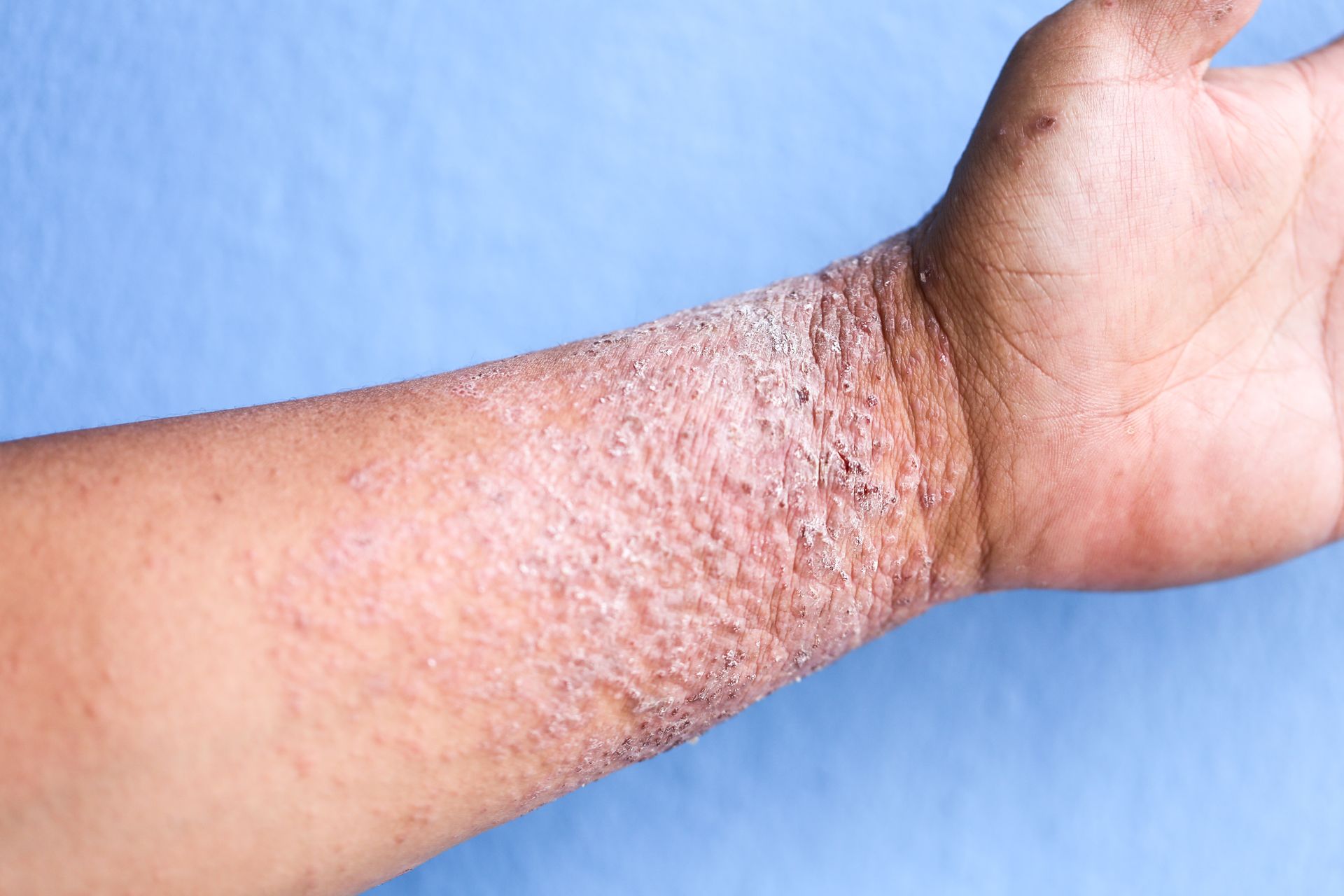
A large local reaction is an exaggerated swelling that extends well beyond the sting site, sometimes covering a large portion of a limb, and that peaks at 24 to 48 hours before gradually resolving over several days. Large local reactions are uncomfortable and concerning in appearance but are generally not associated with a high risk of systemic reaction with future stings. However, patients with large local reactions may still benefit from evaluation to confirm their level of risk.
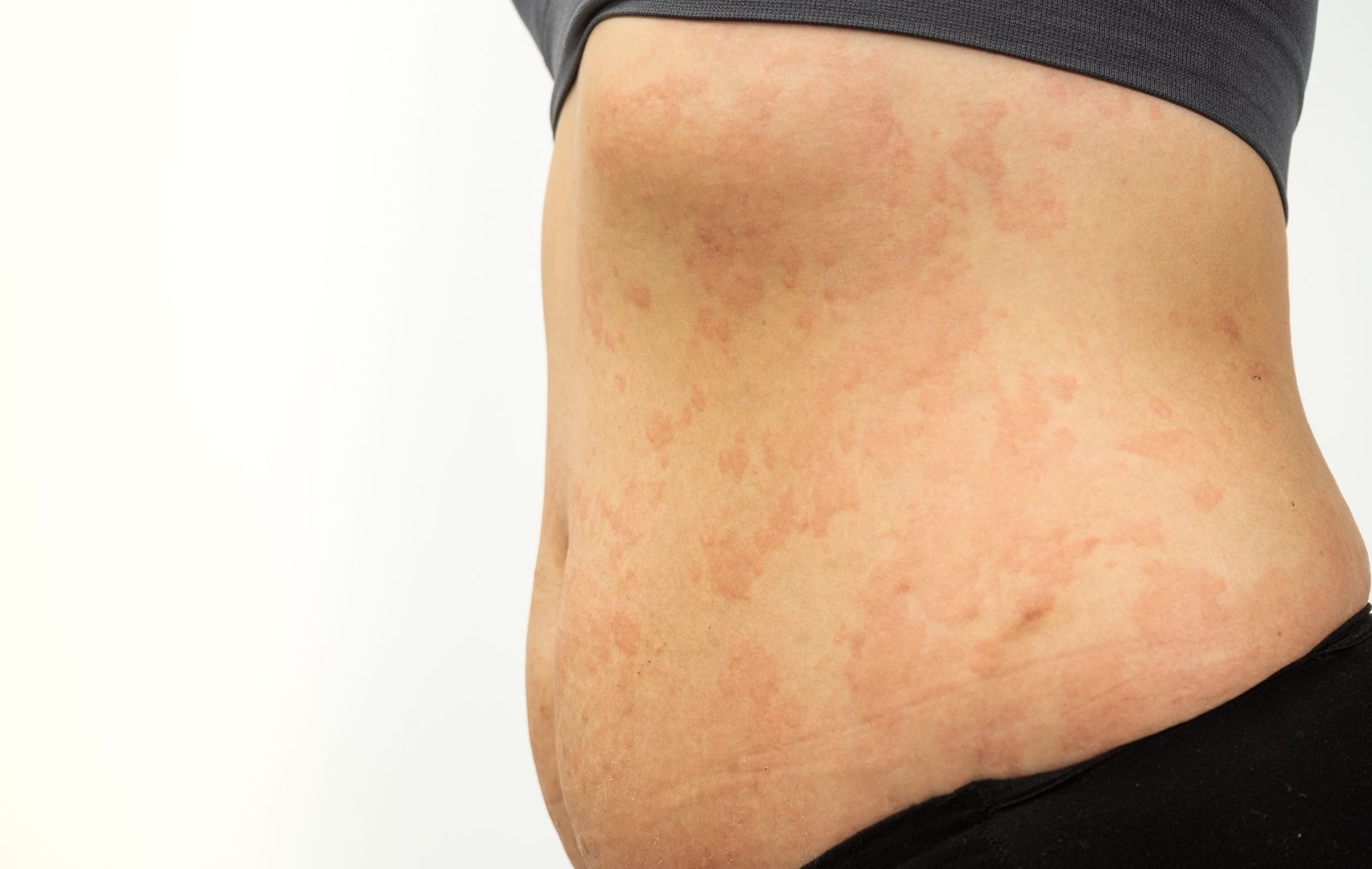
A systemic reaction involves symptoms that occur away from the sting site and reflect a whole-body immune response. Symptoms can include hives or flushing anywhere on the body, swelling of the face, lips, or throat, nausea, vomiting, dizziness, a drop in blood pressure, difficulty breathing, wheezing, and in severe cases, loss of consciousness. Any systemic reaction following an insect sting warrants evaluation by a board-certified allergist. Patients who have experienced anaphylaxis from a sting have a 30 to 60 percent risk of a similar or more severe reaction from a future sting without treatment.
Which Insects Cause Venom Allergy in South Florida?
Fire ants are the most clinically significant cause of insect venom allergy in South Florida due to their abundance and aggressive stinging behavior. Studies from the southeastern United States suggest that fire ant sting reactions account for a substantial proportion of insect-related anaphylaxis cases in this region, making them a more significant concern here than in most other parts of the country.
Other stinging insects present in Palm Beach County that can cause venom allergy include honeybees, yellow jackets, hornets, and paper wasps. Yellow jackets are particularly common at outdoor food areas and garbage containers. Paper wasps build nests under eaves and in outdoor structures and are frequently encountered around homes and recreational areas.
Patients can be sensitized to more than one insect venom simultaneously. Knowing which specific venoms you are sensitized to is clinically important because venom immunotherapy is formulated to target the specific insects causing your sensitization.
How Is Insect Venom Allergy Diagnosed?
Diagnosis begins with a detailed history of the reactions you have experienced. Dr. Jacobs will ask about the circumstances of the sting, what insect was involved if known, the timing and nature of your symptoms, and any treatment you received.
Venom and insect skin testing is the primary diagnostic method and involves intradermal skin testing with purified venom extracts from the relevant insects. Small amounts of venom are injected just below the skin surface at increasing concentrations, and the response is measured to confirm sensitization and gauge the degree of immune reactivity.
Specific blood testing measuring venom-specific IgE antibody levels is an alternative or complementary approach, particularly when skin testing results are equivocal or when a patient cannot safely undergo skin testing.
The results of venom testing, combined with the clinical history of your reactions, allow Dr. Jacobs to determine your level of risk for future stings and whether venom immunotherapy is recommended.
What Is Venom Immunotherapy and How Effective Is It?
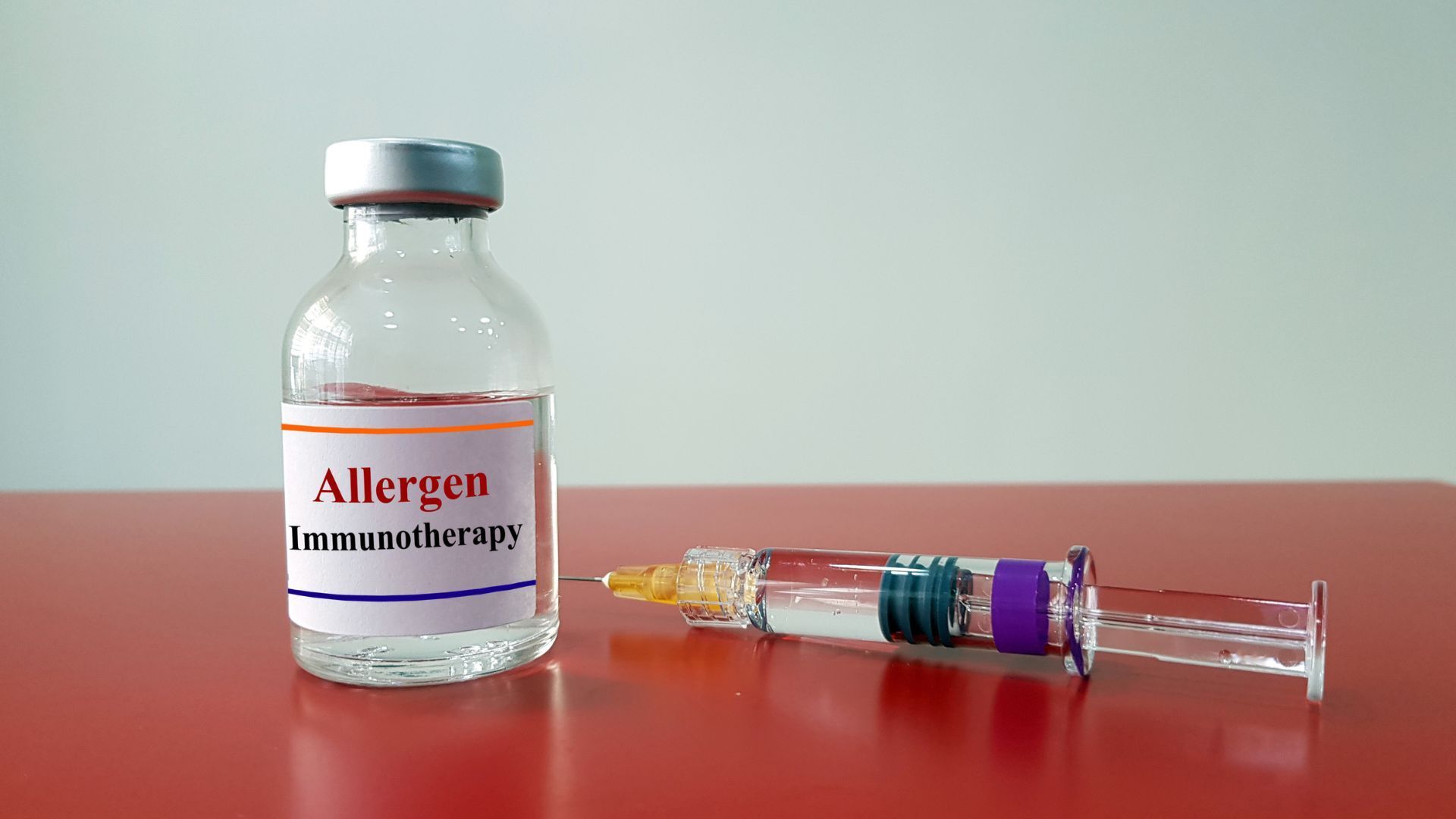
Venom immunotherapy is allergen immunotherapy specifically formulated for insect venom and is one of the most effective applications of immunotherapy in allergy medicine. Studies consistently show that venom immunotherapy reduces the risk of a systemic reaction from a future sting to less than five percent in patients who complete treatment, compared to a 30 to 60 percent risk in untreated patients with confirmed venom allergy. For patients with a history of anaphylaxis from a sting, this is a life-changing reduction in risk.
The treatment follows the same build-up and maintenance structure as standard allergen immunotherapy. During the build-up phase, injections are given weekly with gradually increasing venom concentrations until the maintenance dose is reached. The maintenance phase involves monthly injections and typically continues for three to five years. Some patients, particularly those with a history of severe anaphylaxis or certain risk factors, may be advised to continue maintenance injections indefinitely.
During treatment, patients are advised to continue carrying an epinephrine auto-injector for use in the event of an accidental sting. Venom immunotherapy significantly reduces risk but does not eliminate it entirely, and epinephrine remains the first-line emergency treatment for anaphylaxis.
Who Should Carry an Epinephrine Auto-Injector?
Patients who have experienced a systemic allergic reaction to an insect sting should carry an epinephrine auto-injector at all times, regardless of whether they are pursuing venom immunotherapy. This includes patients who are actively undergoing treatment, since immunotherapy reduces but does not eliminate risk during the treatment period.
Epinephrine is the only medication that effectively treats anaphylaxis and must be administered promptly when a systemic reaction begins. Antihistamines and oral corticosteroids are not substitutes for epinephrine in an anaphylactic reaction and should not be relied upon as the primary treatment for a serious sting reaction.
Dr. Jacobs will prescribe an epinephrine auto-injector and review how and when to use it as part of the evaluation process for any patient with a history of systemic sting reactions.
Practical Steps for Reducing Sting Risk in South Florida
While venom immunotherapy addresses the immune response, practical exposure reduction strategies are also worth adopting for patients with known venom allergy.
When outdoors, wearing closed-toe shoes rather than sandals significantly reduces the risk of stepping on a fire ant mound unaware. Watching where you sit or place your hands in grassy or sandy outdoor areas and scanning for ant mounds before settling into an outdoor location are simple habits that reduce encounter risk. When eating outdoors, keeping food and drinks covered reduces attraction of yellow jackets and wasps. Wearing light-colored, unscented clothing and avoiding floral patterns reduces attractiveness to bees and wasps.
In the home and yard, having fire ant mounds treated professionally and keeping grass trimmed short reduces the density of fire ant colonies on your property. Checking outdoor furniture and play equipment for wasp nests before use is another practical precaution.
Frequently Asked Questions
How do I know if my reaction to a fire ant sting was serious enough to see an allergist?
Any reaction that involved symptoms away from the sting site warrants evaluation by an allergist. This includes hives anywhere on the body, facial swelling, difficulty breathing, dizziness, nausea, vomiting, or a feeling of impending doom. If you needed epinephrine or emergency treatment after a sting, an allergist evaluation is essential. Large local reactions that stayed confined to the sting area are lower risk but may still be worth discussing with Dr. Jacobs if they were severe or if you are frequently exposed to stinging insects.
Can I develop a venom allergy even if I have been stung before without a serious reaction?
Yes. Venom allergy can develop at any age, including in people who have tolerated stings without systemic reactions for years. Repeated exposure can build sensitization over time, and the first serious systemic reaction may occur after many uneventful stings. This is why a new systemic reaction in someone who has previously tolerated stings is still worth taking seriously and evaluating.
How long does venom immunotherapy take to work?
Protection against anaphylaxis develops progressively during the build-up phase of immunotherapy. Most patients achieve meaningful protection well before reaching the maintenance dose. However, the full benefit of immunotherapy and the long-term durability of protection come with completing the maintenance phase over three to five years. Patients are advised to continue carrying epinephrine throughout treatment.
Are children at risk for venom allergy?
Yes, though the risk profile for children is somewhat different from adults. Children who experience systemic reactions to insect stings generally have a lower risk of anaphylaxis with future stings than adults with comparable reactions, particularly if their systemic reaction was limited to skin symptoms like generalized hives without cardiovascular or respiratory involvement. However, evaluation by an allergist is still appropriate to assess the level of risk and determine whether immunotherapy is recommended.
Is fire ant venom the same as bee venom?
No. Fire ant venom is chemically distinct from the venom of bees, wasps, and hornets. Fire ant venom is primarily composed of alkaloid compounds rather than the protein-based venom components found in stinging Hymenoptera. This means that being allergic to fire ants does not automatically mean you are allergic to bees or wasps, and separate testing is needed to evaluate sensitization to each venom type.
What should I do immediately after being stung if I have a known venom allergy?
If you have a known venom allergy and are stung, use your epinephrine auto-injector immediately at the first sign of a systemic reaction and call 911. Do not wait to see how severe the reaction becomes before using epinephrine. After using epinephrine, go to the nearest emergency room for monitoring even if symptoms improve, as biphasic reactions (a second wave of symptoms hours after the initial reaction) can occur. If you are stung and have no symptoms within 30 minutes, the likelihood of a significant systemic reaction from that sting is low, but contact Dr. Jacobs to discuss next steps.
If you have had a serious reaction to a fire ant or insect sting, do not wait for the next one to find out how severe it could be. Call our Jupiter office at (561) 510-7232 or book online here to schedule an appointment with Dr. Jacobs.
Disclaimer: The information provided on this blog is for general informational purposes only and is not intended as, and should not be considered, medical advice. All information, content, and material available on this blog are for general informational purposes only. Readers are advised to consult with a qualified healthcare professional for medical advice, diagnosis, or treatment. The author and the blog disclaim any liability for the decisions you make based on the information provided. Always seek the advice of your physician or other qualified health provider with any questions you may have regarding a medical condition.