Allergen Immunotherapy: How Allergy Shots Work and What to Expect
Key Points
- Allergen immunotherapy is the only allergy treatment that addresses the underlying immune sensitivity rather than just managing symptoms
- Treatment involves a build-up phase of weekly injections followed by a maintenance phase of monthly injections, typically over three to five years
- Allergy shots are effective for environmental allergens like pollen, dust mites, mold, and pet dander, as well as insect venom allergies
- Most patients experience significant symptom reduction within the first year and long-lasting relief after completing the full course
- Dr. Jeffrey Jacobs offers allergen immunotherapy for adults and children at Allergy & Asthma Specialists of the Palm Beaches in Jupiter, FL
Medically reviewed by: Dr. Jeffrey Jacobs, MD | Board-Certified Allergist & Immunologist | August 2026
If you have been managing allergies with daily antihistamines, nasal sprays, and eye drops for years and feel like you are just treading water, allergen immunotherapy may be worth a serious conversation. It is the only treatment available that works on the root cause of your allergies rather than just quieting the symptoms while you take it.
For patients in South Florida, where pollen, mold, and dust mites are year-round realities rather than seasonal inconveniences, that distinction matters a great deal.
What Is Allergen Immunotherapy?
Allergen immunotherapy is a long-term treatment that gradually reduces your immune system's sensitivity to the specific allergens causing your symptoms. It works by exposing your body to small, controlled amounts of those allergens on a regular schedule, slowly training your immune system to stop treating them as threats.
Think of it as retraining rather than suppressing. Antihistamines and nasal sprays work by blocking or dampening the allergic response after it starts. Immunotherapy works upstream, changing how your immune system responds in the first place. For many patients, that change persists long after treatment ends.
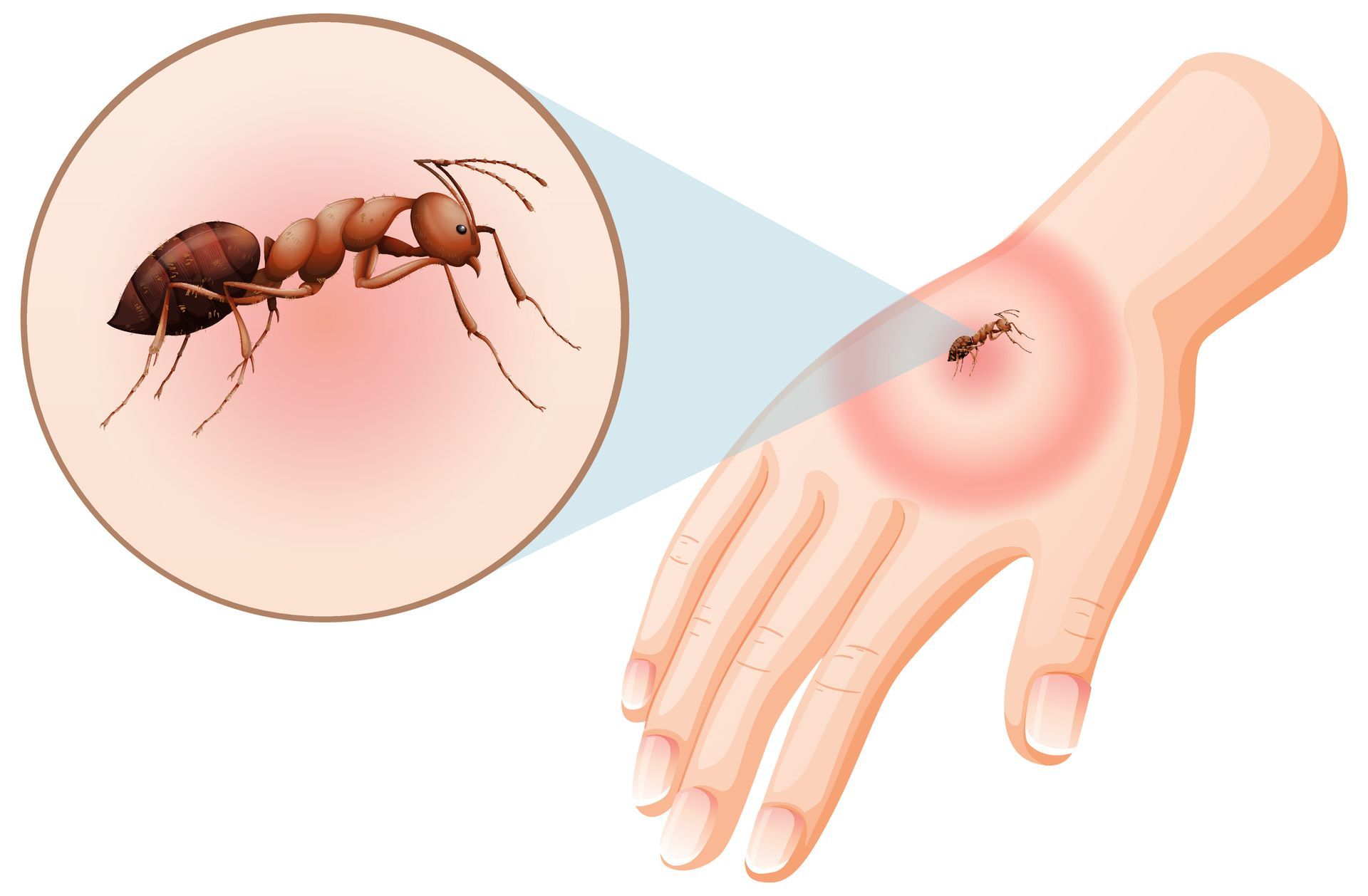
Immunotherapy is effective for a wide range of environmental allergens including tree, grass, and weed pollens, mold spores, dust mites, cockroach, and animal dander. It is also the standard treatment for insect venom allergies, where it can be genuinely life-saving for patients at risk of anaphylaxis from bee or fire ant stings.
How Do Allergy Shots Work?
The most established form of allergen immunotherapy is subcutaneous immunotherapy, which is the clinical term for allergy shots. The process has two distinct phases.
The build-up phase typically lasts six to twelve months. During this phase, you receive injections once or twice a week. Each injection contains a slightly higher concentration of your allergen extracts than the one before. The goal is to gradually increase your exposure until you reach your maintenance dose, the concentration at which your immune system has learned to tolerate the allergen without overreacting.
The maintenance phase follows once you reach that dose. Injections shift to once a month and continue for three to five years. This is the phase where most patients experience the most noticeable symptom relief, and it is also what makes the improvement durable. Patients who complete a full course of immunotherapy often maintain reduced sensitivity for years after stopping treatment.
The injections themselves are given in the office and you will be asked to wait 20 to 30 minutes afterward. This observation period is standard practice to ensure that any rare reaction can be addressed immediately. The wait time is not just a formality; it is part of the safety protocol that makes immunotherapy appropriate to administer in an outpatient allergy office.
Are You a Candidate for Allergy Shots?
Not everyone with allergies is automatically a candidate for immunotherapy, but a large proportion of patients are. The starting point is always food and environmental allergy skin testing or specific blood testing to confirm which allergens are driving your symptoms and how significant your sensitivity is. Immunotherapy is only effective when it is targeted to allergens you are actually sensitized to.
Good candidates for allergy shots generally include patients whose symptoms are not adequately controlled by medication alone, patients who want to reduce their long-term reliance on daily allergy medications, patients whose allergy symptoms significantly affect their quality of life or productivity, patients with allergic asthma whose airways are being driven by environmental allergens, and patients with insect venom allergy who are at risk for serious reactions.
Allergy shots are appropriate for most adults and for children generally five years and older. Age, overall health, and the specific allergens involved all factor into the conversation, which is why a thorough evaluation with Dr. Jacobs comes first.
What About Sublingual Immunotherapy?
Sublingual immunotherapy is an alternative to injections that delivers allergen extracts as dissolving tablets placed under the tongue. FDA-approved sublingual tablets are currently available for a limited number of specific allergens, including certain grass pollens, ragweed, and dust mites.
Sublingual tablets are taken daily at home rather than in an office, which makes them a practical option for patients who cannot commit to the injection schedule or who prefer to avoid needles. They are not interchangeable with allergy shots for all allergens or all patients, and not every patient is a candidate. Dr. Jacobs can help determine whether sublingual therapy is appropriate for your specific allergy profile or whether the broader coverage of injections is the better fit.
What Does Immunotherapy Feel Like in Practice?
One of the most common questions patients have is what to realistically expect during treatment, particularly in terms of time commitment and how quickly they will notice improvement.
The weekly injection schedule during build-up is the most demanding part. Each visit is relatively brief, typically 30 to 40 minutes including your observation period, but the frequency requires planning. Many patients schedule their shots on a consistent day each week to make it routine.
Most patients begin to notice some improvement in symptoms within the first six to twelve months of treatment. By the time they reach the maintenance phase, the majority report meaningful reduction in both the frequency and severity of their symptoms. Some patients find they can reduce or eliminate daily allergy medications during maintenance. Others notice that they handle exposure to their allergens, previously unavoidable triggers like a friend's cat or a high-pollen day, much better than they did before.
It is worth setting realistic expectations. Immunotherapy is not a quick fix, and the first few months of build-up are not when most people feel dramatically better. The payoff comes with time and consistency.
How Immunotherapy Helps Asthma
For patients whose asthma has an allergic component, immunotherapy is particularly valuable. Reducing sensitivity to the allergens triggering airway inflammation can lead to fewer asthma flares, reduced need for rescue inhalers, and better overall lung function over time.
In South Florida, where allergen exposure is year-round and asthma patients rarely get a true environmental break, this benefit is especially relevant. Patients who have struggled to control allergic asthma despite using appropriate medications are often strong candidates for an immunotherapy evaluation.
Frequently Asked Questions
How long does it take for allergy shots to work?
Most patients notice meaningful improvement within six to twelve months of starting treatment. The build-up phase is when your dose is gradually increasing, and the most significant symptom relief typically comes once you reach and maintain your maintenance dose. Completing the full three to five year course produces the most durable long-term results.
Do allergy shots hurt?
The injections use a small needle and are given in the upper arm. Most patients describe the sensation as a mild pinch. Some experience minor local reactions at the injection site, such as slight redness, swelling, or itching, which typically resolve within an hour or two. Significant reactions are uncommon and are why the post-injection observation period is a standard part of every visit.
Can children receive allergen immunotherapy?
Yes. Allergy shots are generally appropriate for children five years and older. For younger children or those who are not comfortable with injections, sublingual tablet options may be considered for certain allergens. Dr. Jacobs will evaluate your child's specific allergy profile and recommend the most appropriate approach.
Will my insurance cover allergy shots?
Most major insurance plans cover allergen immunotherapy when it is medically indicated. Coverage details vary by plan, so contacting your insurance company in advance to confirm your benefits is always recommended. Our office is happy to help answer insurance questions during scheduling.
What happens if I miss injections during the build-up phase?
Missing injections can slow your progress and may require your dose to be adjusted back depending on how long the gap was. Consistency is important during the build-up phase in particular. If you know you will need to miss appointments, let the office know in advance so your schedule can be adjusted appropriately.
Can immunotherapy make my allergies worse before they get better?
Some patients experience a temporary mild increase in allergy symptoms early in the build-up phase as their immune system adjusts to the increasing allergen doses. This is not universal and is generally manageable. Significant worsening is uncommon and is something Dr. Jacobs monitors for throughout treatment.
If daily allergy medications are not giving you the relief you need, it may be time to explore a longer-term solution. Call our Jupiter office at (561) 510-7232 or book online here to schedule an appointment with Dr. Jacobs.