Childhood Asthma: Symptoms, Triggers, and When to See a Specialist
Key Points
- Asthma is one of the most common chronic conditions in children and is frequently underdiagnosed, particularly in younger kids whose symptoms may look like recurrent colds or bronchitis
- Common childhood asthma triggers include respiratory infections, allergens like dust mites and pet dander, exercise, and cold air
- A board-certified allergist can perform lung function testing and allergy evaluation to confirm asthma and identify what is driving it
- Asthma that is identified and managed early leads to significantly better long-term outcomes than asthma that goes untreated
- Dr. Jeffrey Jacobs offers pediatric asthma evaluation and treatment at Allergy & Asthma Specialists of the Palm Beaches in Jupiter, FL
Medically reviewed by: Dr. Jeffrey Jacobs, MD | Board-Certified Allergist & Immunologist | September 2026
Asthma is the most common chronic lung condition in children, affecting millions of kids in the United States. Yet it remains one of the most frequently missed or delayed diagnoses in pediatric medicine, particularly in younger children whose symptoms can look like something else entirely. A child who seems to get a lot of colds, who coughs persistently at night, or who sits out of gym class more than other kids may not have recurrent infections or low fitness. They may have asthma.
Recognizing the signs early and getting the right evaluation makes a significant difference in how well a child's asthma is managed over the long term.
What Does Asthma Look Like in Children?
Asthma in children does not always present the way most people picture it. The dramatic image of a child struggling to breathe and reaching for an inhaler represents one end of the spectrum. But many children with asthma spend most of their time with subtle, easy-to-miss symptoms that only become obviously respiratory in hindsight.
The most common symptoms of childhood asthma include a persistent or recurrent cough, particularly one that worsens at night or early in the morning, wheezing (a high-pitched whistling sound when breathing out), shortness of breath or complaints of chest tightness, and reduced exercise tolerance. A child who consistently slows down, stops, or complains of difficulty breathing during physical activity may be experiencing exercise-induced bronchoconstriction, a form of asthma triggered by physical exertion.
In very young children, asthma is particularly difficult to identify. Infants and toddlers cannot describe their symptoms, and wheezing in this age group can be caused by several conditions. Recurrent wheezing episodes, frequent respiratory illnesses that seem to go to the chest, and a family history of asthma or allergies are all red flags that warrant evaluation.
One pattern that is strongly associated with asthma in school-age children is the September spike. Each fall, as children return to school and encounter respiratory viruses circulating in classrooms, asthma exacerbations surge. Viral respiratory infections are the most common trigger for asthma flares in children, and the combination of back-to-school virus exposure with ragweed pollen season and cooling temperatures creates a perfect storm for symptomatic children.
What Triggers Asthma in Children?
Understanding what triggers a child's asthma is as important as confirming the diagnosis. The same medications are not equally effective for every child, and the management plan needs to account for the specific drivers of that child's airway inflammation.
Respiratory viruses are the most common asthma trigger in children, particularly in the preschool and early school-age years. Even children whose asthma is otherwise well controlled can experience significant flares with a cold or flu. This is one reason why annual influenza vaccination is recommended for children with asthma.
Allergens are a major trigger category, particularly for older children whose asthma has an allergic component. Dust mites are among the most significant indoor allergens in South Florida, present year-round in bedding and soft furnishings. Pet dander, cockroach allergen, and mold are other important indoor triggers. Outdoor allergens including grass pollen, tree pollen, and ragweed can also drive asthma flares, particularly during peak seasons.
Exercise is a trigger for a large proportion of children with asthma. Exercise-induced bronchoconstriction causes coughing, wheezing, or shortness of breath during or shortly after physical activity. It is important to recognize that well-controlled asthma should not prevent a child from participating fully in sports and physical education. Exercise-induced symptoms are a sign that asthma management needs to be optimized, not that the child should avoid activity.
Other recognized triggers include cold air, smoke exposure (including secondhand smoke), strong odors and chemical fumes, and emotional stress. Each child's trigger profile is somewhat individual, and identifying which factors are most relevant guides both environmental management and treatment decisions.
How Is Asthma Diagnosed in Children?
Asthma diagnosis in children combines a clinical evaluation with objective testing when age permits.
Dr. Jacobs will take a detailed history of your child's symptoms, their pattern and frequency, what seems to make them better or worse, your family's medical history, and your child's home and school environment. This history is often the most important part of the diagnostic process, particularly for younger children.
For children old enough to cooperate with breathing tests, generally around five years and older, pulmonary function testing measures how well air moves in and out of the lungs. Spirometry, the most common form of pulmonary function testing, can detect the airflow obstruction characteristic of asthma and assess how much it improves with a bronchodilator medication. This before-and-after measurement, called bronchodilator reversibility, is a key diagnostic indicator.
FeNO testing measures the level of fractional exhaled nitric oxide, a marker of eosinophilic airway inflammation. Elevated FeNO levels indicate active allergic inflammation in the airways and help confirm that asthma has an allergic component. This is particularly useful for guiding treatment decisions about whether inhaled corticosteroids or biologic therapy is likely to be effective.
Food and environmental allergy skin testing or specific blood testing identifies which specific allergens are sensitizing your child's immune system. For children with allergic asthma, knowing the specific triggers allows for targeted environmental modifications and opens the door to allergen immunotherapy as a long-term treatment option.
How Is Childhood Asthma Treated?
Asthma treatment in children is guided by the frequency and severity of symptoms and is organized around two categories of medication: controller medications and rescue medications.
Controller medications are taken daily to reduce underlying airway inflammation and prevent symptoms from occurring. Inhaled corticosteroids are the most commonly prescribed controller medication for children with persistent asthma and are highly effective when used consistently. Long-acting bronchodilators, leukotriene modifiers, and combination inhalers are other controller options that may be used depending on the child's age and symptom pattern.
Rescue medications, primarily short-acting bronchodilators like albuterol, are used during acute symptoms or flares to quickly open the airways. Relying on a rescue inhaler more than twice a week is a signal that controller therapy needs to be reassessed.
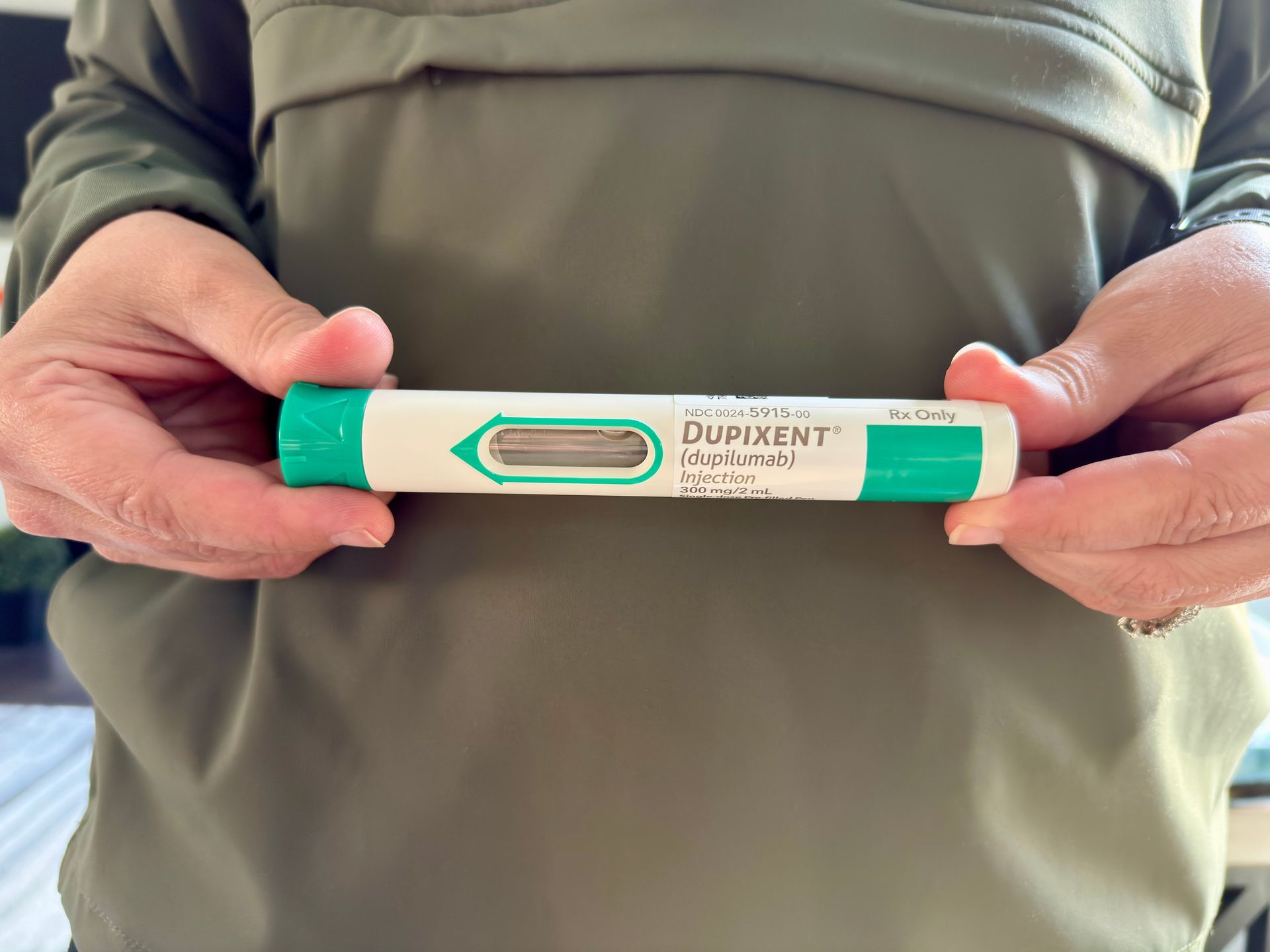
For children with moderate to severe allergic asthma that is not adequately controlled with inhaled medications, biologic medication management may be appropriate. Dupixent is FDA-approved for children as young as six years old with moderate to severe asthma driven by type 2 inflammation. Xolair is approved for children six and older with moderate to severe allergic asthma. These medications target the specific immune pathways driving airway inflammation and can significantly reduce exacerbation rates and medication burden in appropriately selected patients.
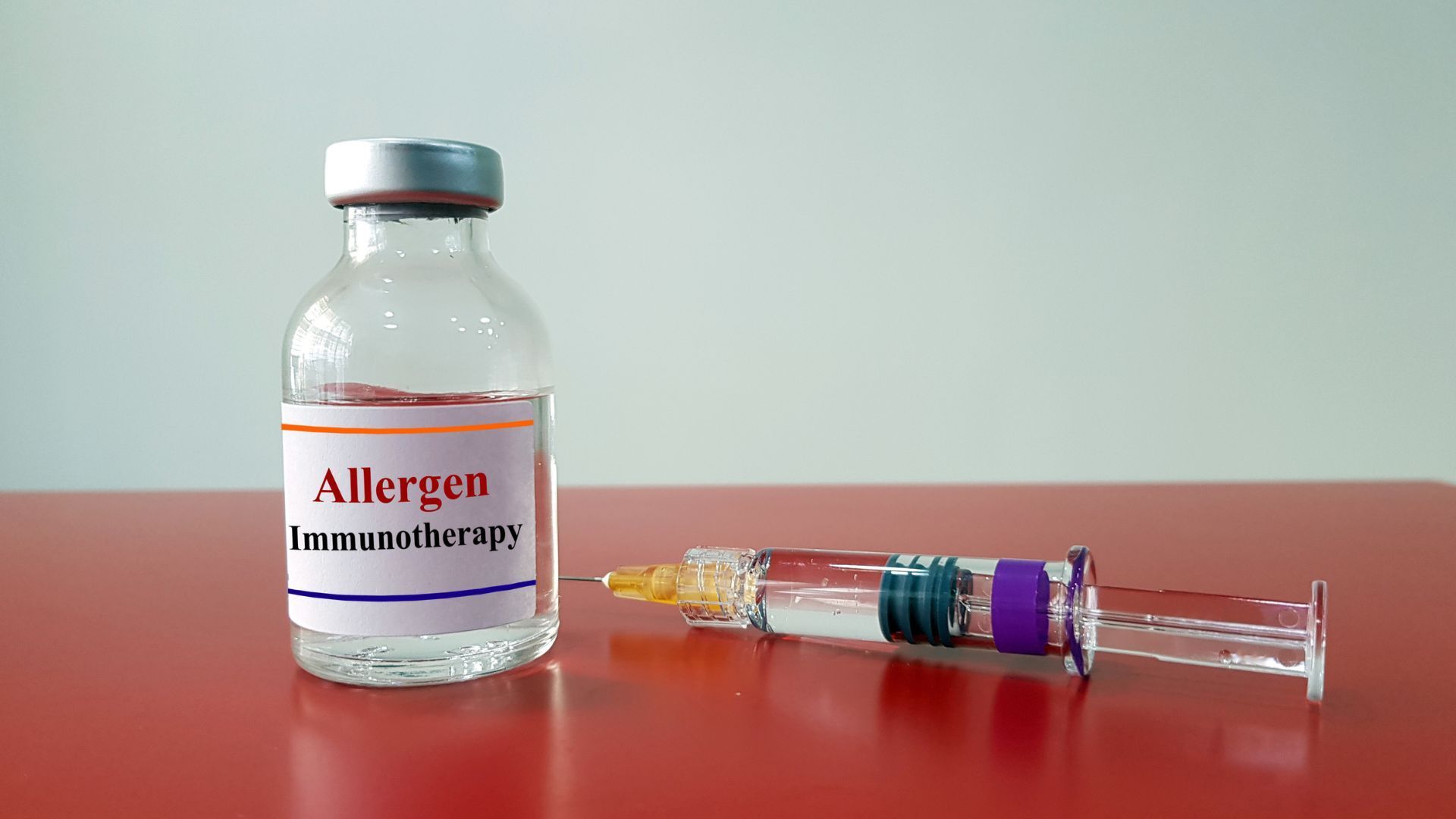
Allergen immunotherapy is an important long-term treatment option for children with confirmed allergic asthma. By gradually reducing the immune system's sensitivity to the specific allergens driving airway inflammation, immunotherapy addresses the root cause of allergic asthma rather than just managing symptoms. Many children who complete a full course of immunotherapy experience durable improvement in asthma control that persists well beyond the treatment period.
What Parents Should Know About Asthma Management at School
For school-age children, asthma management extends beyond the home. A written asthma action plan, developed with Dr. Jacobs, is an essential tool that outlines your child's daily medications, what to do when symptoms worsen, and when to seek emergency care. This plan should be shared with school nurses, teachers, and coaches.
Florida law permits children with asthma to carry and self-administer their rescue inhaler at school with appropriate documentation. Making sure your child's school has an updated asthma action plan and that your child's rescue inhaler is accessible during the school day, including during physical education and outdoor activities, is a critical part of keeping them safe.
Annual follow-up with Dr. Jacobs allows for reassessment of asthma control, adjustment of the treatment plan as your child grows, and monitoring for changes in their allergy profile over time.
Frequently Asked Questions
Can a child outgrow asthma?
Some children do experience significant improvement in asthma symptoms during adolescence, and a proportion appear to outgrow it entirely. However, research suggests that a significant number of children whose asthma seems to resolve in adolescence experience a return of symptoms in adulthood. Whether a child outgrows asthma depends on the severity of their disease, their allergy profile, and other factors. It is generally safer to continue appropriate management rather than assume the condition has resolved without medical reassessment.
How do I know if my child's cough is asthma or just a cold?
A cold-related cough typically resolves within 7 to 10 days along with other cold symptoms. A cough associated with asthma tends to be more persistent, often lasting weeks, and may be worse at night or with activity. Coughs that keep coming back, that are triggered by exercise or cold air, or that are associated with wheezing or shortness of breath are worth evaluating for asthma. Recurrent respiratory illnesses that consistently go to the chest are also a pattern worth investigating.
Is it safe for a child with asthma to play sports?
Yes, with appropriate management. Well-controlled asthma should not limit a child's ability to participate in physical activity and sports. Many elite athletes have asthma. Exercise-induced symptoms are a sign that asthma control needs to be optimized, not that activity should be avoided. A pre-exercise bronchodilator and a well-established controller regimen allow most children with asthma to participate fully in physical activity.
At what age can children use an inhaler?
Children of any age can be treated with inhaled medications, though the delivery method varies by age. Infants and toddlers use a spacer device with a face mask attached to deliver medication from a metered dose inhaler. Older children transition to a spacer with a mouthpiece and eventually to using an inhaler independently. Dr. Jacobs will recommend the appropriate delivery device based on your child's age and ability.
Should I be concerned about inhaled steroids affecting my child's growth?
This is one of the most common concerns parents raise. Studies have shown that inhaled corticosteroids at standard doses may cause a small and temporary reduction in growth velocity in some children, but this effect is modest and does not appear to affect final adult height. The risks of poorly controlled asthma, including frequent exacerbations, oral steroid courses, and missed school, are significantly greater than the minimal growth effect of appropriately dosed inhaled corticosteroids. Dr. Jacobs monitors growth and adjusts dosing to use the lowest effective dose.
When should I take my child to the emergency room for asthma?
Seek emergency care immediately if your child is having significant difficulty breathing, if their lips or fingernails are turning blue, if they are unable to speak in full sentences, if their rescue inhaler is not providing relief within 15 to 20 minutes, or if they appear to be working very hard to breathe with visible movement of the neck or chest muscles. Your child's written asthma action plan will outline the specific steps to take at each level of symptom severity.
If your child has a persistent cough, recurrent wheezing, or symptoms that seem to flare with activity or at the start of each school year, an asthma evaluation is worth pursuing sooner rather than later. Call our Jupiter office at (561) 510-7232 or book online here to schedule an appointment with Dr. Jacobs.
Disclaimer: The information provided on this blog is for general informational purposes only and is not intended as, and should not be considered, medical advice. All information, content, and material available on this blog are for general informational purposes only. Readers are advised to consult with a qualified healthcare professional for medical advice, diagnosis, or treatment. The author and the blog disclaim any liability for the decisions you make based on the information provided. Always seek the advice of your physician or other qualified health provider with any questions you may have regarding a medical condition.