Skin Prick Test vs. Blood Test: Which Allergy Test Is Right for You?
Key Points
- Skin prick testing and specific blood testing are the two primary methods used to diagnose allergies, and both measure your immune system's response to specific allergens
- Skin prick testing produces same-day results and is the most common first-line test for environmental and food allergies
- Blood testing is preferred when a patient cannot stop antihistamines, has significant skin conditions, or is very young
- A positive result on either test indicates sensitization but must always be interpreted alongside your symptom history by a board-certified allergist
- Dr. Jeffrey Jacobs offers both skin prick testing and specific blood testing in Jupiter, FL
Medically reviewed by: Dr. Jeffrey Jacobs, MD | Board-Certified Allergist & Immunologist | August 2026
If you are preparing for an allergy evaluation and have done any searching online, you have probably come across both skin prick testing and blood testing as options. A common question patients bring to their first appointment is whether one is better than the other, or whether they will need both. The honest answer is that it depends on your specific situation, and a board-certified allergist is the right person to make that call.
What follows is a plain-English breakdown of how each test works, what the results mean, and how the choice between them gets made in practice.
How Skin Prick Testing Works
Skin prick testing, sometimes called a scratch test, is the most widely used method for allergy diagnosis. It is fast, accurate, and produces results within the same appointment.
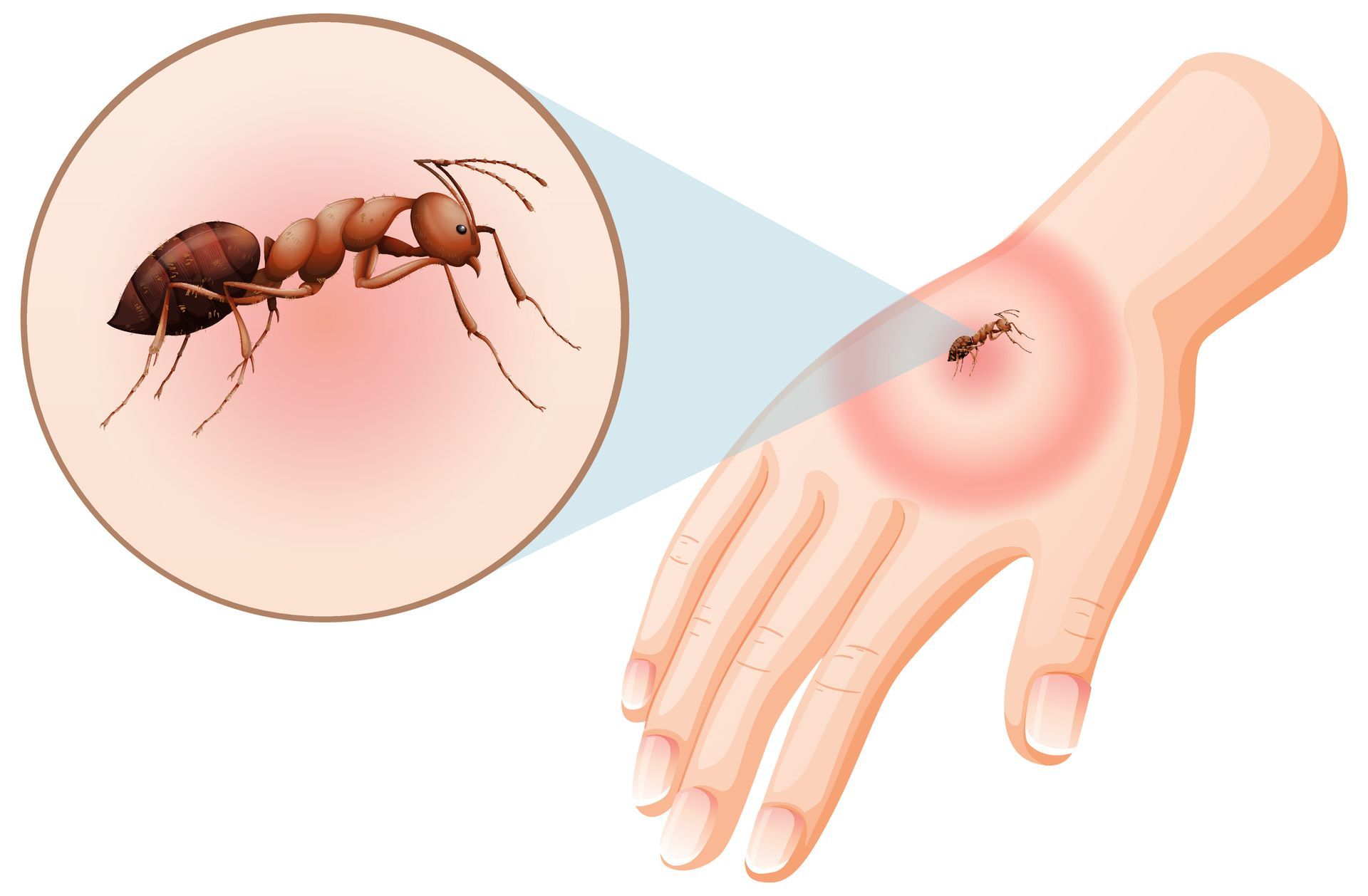
The process works like this. Small drops of allergen extracts are placed on the skin, typically along the forearm or upper back. A lancet, which is a small, fine-tipped device, is used to lightly prick the skin through each drop. This allows a microscopic amount of the allergen to enter just below the surface. If your immune system has developed IgE antibodies to that allergen, a small raised bump called a wheal will form at that spot within 15 to 20 minutes.
The wheal looks and feels similar to a small mosquito bite and fades within an hour or two. The size of the wheal gives the allergist information about the degree of your sensitivity. A larger wheal generally indicates a stronger immune response to that allergen, though size alone does not determine clinical significance.
A typical environmental allergy panel tests for a broad range of allergens in a single session, including grasses, trees, weeds, mold species, dust mites, cockroach, and animal dander. In South Florida, panels often include region-specific plants like melaleuca, Brazilian pepper, Bermuda grass, and Australian pine that are not part of standard panels used in other parts of the country. Food allergen panels can also be performed using the same method.
The prick itself is not a needle injection and does not go deep into the skin. Most patients describe the sensation as mild scratching. Children tolerate it well in the large majority of cases, though younger children may need a modified approach.
How Specific Blood Testing Works
Specific blood testing measures the level of allergen-specific IgE antibodies circulating in your blood. A blood sample is drawn and sent to a laboratory, where it is analyzed for antibody responses to whichever allergens are included in the panel.
Unlike skin prick testing, blood testing does not require stopping antihistamines beforehand and carries no risk of triggering a localized reaction during the test itself. Results take a few days to return from the lab rather than being available the same day.
Blood testing measures the same underlying immune response as skin testing, just through a different method. Instead of observing a physical reaction on the skin, the lab quantifies the concentration of IgE antibodies directed at each specific allergen. Higher levels generally indicate greater sensitization, though as with skin testing, the numbers must always be interpreted in the context of your symptoms and clinical history.
Which Test Is More Accurate?
This is one of the most common questions patients ask, and the answer is that both tests are clinically valid and widely accepted. Neither is definitively superior across the board. Each has strengths that make it the better choice in specific situations.
Skin prick testing is generally considered slightly more sensitive, meaning it is better at detecting sensitization when it exists. Blood testing is generally considered slightly more specific, meaning a positive result is somewhat less likely to reflect sensitization that has no clinical significance. In practice, for most patients and most allergens, the two tests produce comparable results and lead to the same clinical conclusions.
The more important point is that a positive result on either test does not automatically mean you will have a reaction to that allergen in real life. Sensitization, the presence of IgE antibodies, and clinical allergy, actually experiencing symptoms upon exposure, are not the same thing. A result is always one piece of information among several. Your symptom history, the pattern of your reactions, and how the test result fits with your overall clinical picture are what determine whether a confirmed sensitization is clinically meaningful.
When Skin Prick Testing Is the Better Choice
Food and environmental allergy skin testing is typically the preferred starting point when a patient is able to stop antihistamines for the required period beforehand, does not have a significant skin condition affecting the test sites, and wants same-day results.
It is also the preferred method when testing a broad panel of environmental allergens in a single session, since the skin can accommodate a large number of allergens simultaneously and the results are immediately visible and interpretable in the office. For patients who are candidates for allergen immunotherapy, skin testing is often the foundation of the evaluation because the physical response provides detailed information about the degree of sensitivity to each allergen.
When Blood Testing Is the Better Choice
Blood testing becomes the preferred or necessary option in several specific situations.
If you are taking a medication that cannot be safely stopped before testing, such as certain antidepressants, heartburn medications, or antihistamines that are being used to control a significant skin condition, blood testing allows accurate results without requiring you to discontinue treatment.
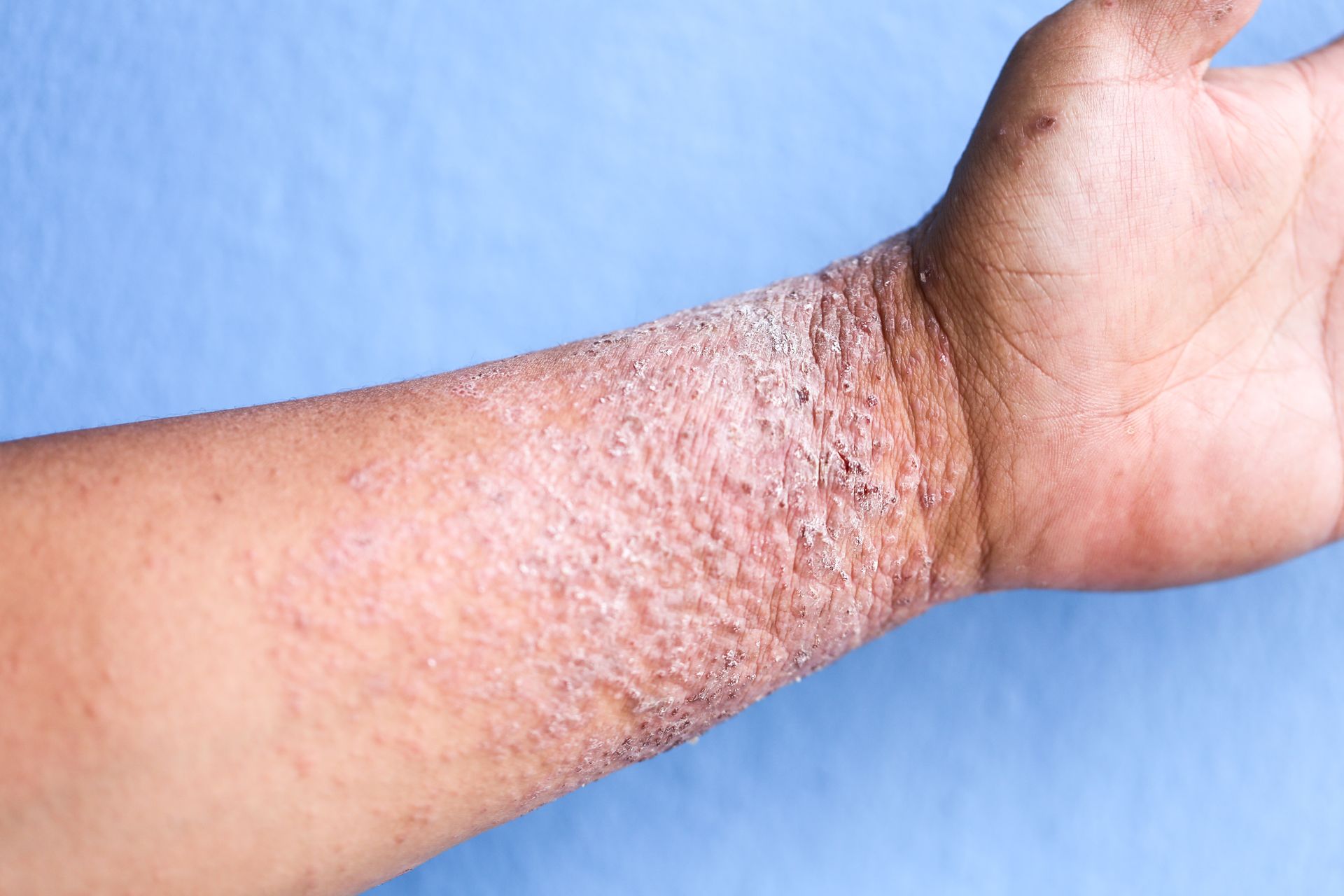
If you have a skin condition like severe eczema, psoriasis, or dermographism (a condition where the skin reacts to light pressure) that affects large areas of skin or that would interfere with reading test results, blood testing eliminates that complication entirely.
For very young children or patients who are extremely anxious about the skin testing process, blood testing may be a more practical option for an initial evaluation. It requires only a single blood draw rather than multiple skin pricks.
Blood testing is also useful when a specific allergen extract is not available in a standard skin test panel, or when additional quantitative detail about antibody levels is clinically helpful.
Can Both Tests Be Used Together?
Yes, and in some cases they are. When skin test results and symptom history do not fully align, blood testing can provide an additional data point. Some patients are tested with both methods for a more complete picture of their sensitization profile, particularly when the clinical picture is complex or when specific food allergies are being evaluated in detail.
In cases where testing results remain ambiguous, an oral food challenge may be recommended as the most definitive method for confirming or ruling out a specific food allergy. This involves eating gradually increasing amounts of the suspected allergen in a supervised clinical setting while being monitored for reactions.
What Happens After Testing?
Regardless of which test is used, the results are reviewed with you in detail by Dr. Jacobs. A positive result opens a conversation about which allergens are most likely responsible for your symptoms, what your management options are, and whether immunotherapy is appropriate for your situation.
For patients with allergic rhinitis, allergic asthma, or significant environmental allergies, a clear allergen profile from testing is the foundation of an effective long-term treatment plan. The test itself is not the endpoint. It is the starting point for getting your symptoms under control in a way that is targeted to what is actually affecting you.
Frequently Asked Questions
Do I need to stop my allergy medications before testing?
For skin prick testing, antihistamines need to be stopped for five to seven days beforehand, as they suppress the skin response and can produce false negative results. Nasal steroid sprays, asthma inhalers, and most other medications do not need to be stopped. For blood testing, no medication changes are required. The office will give you specific guidance when you schedule your appointment.
Is skin prick testing painful?
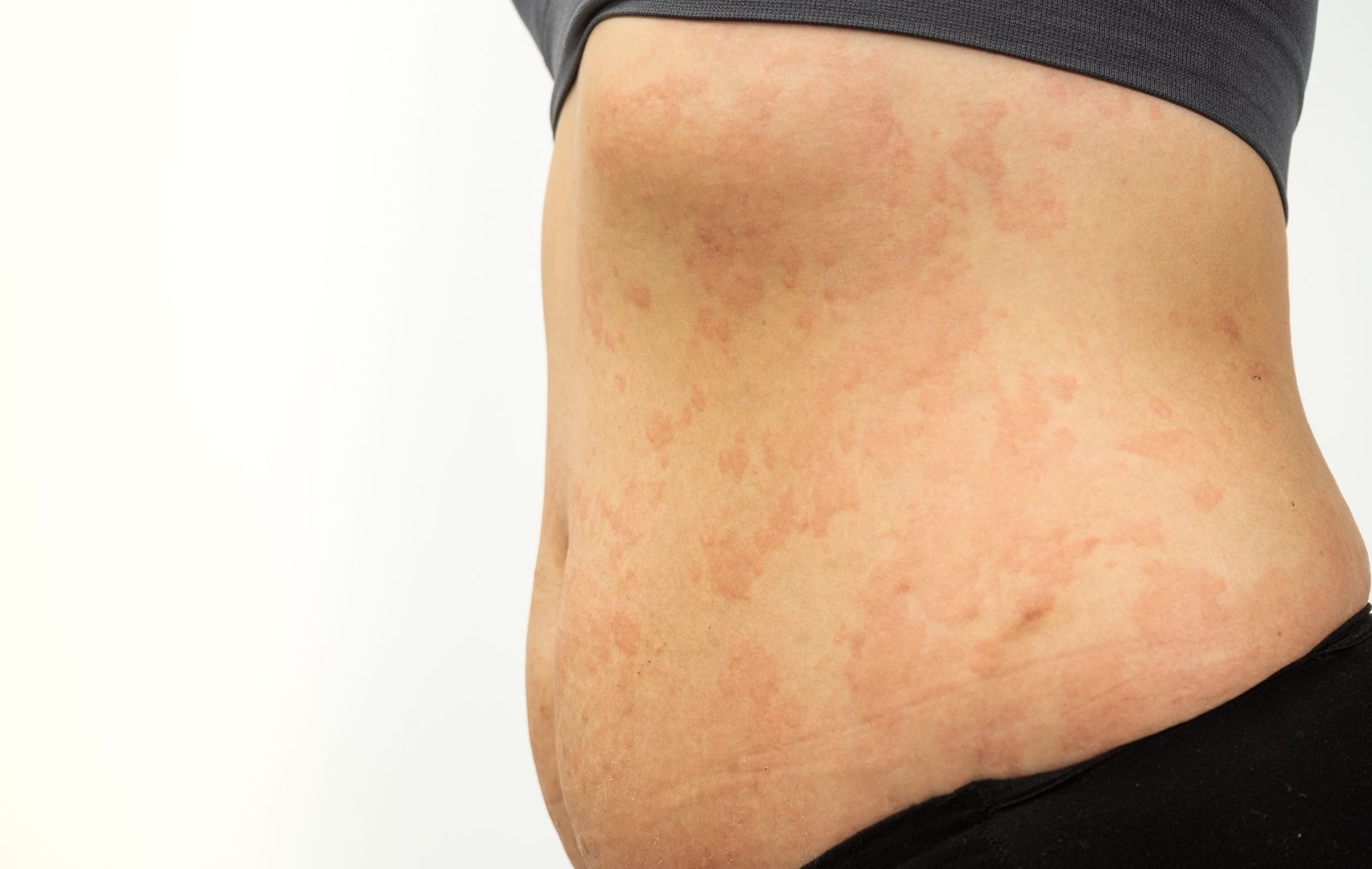
The sensation is generally described as mild scratching rather than pain. The lancet does not penetrate deeply and the process moves quickly. Most patients, including children, tolerate it without significant discomfort. Any localized itching or minor swelling at positive test sites is temporary and fades within an hour or two.
How many allergens can be tested at once?
A typical environmental allergy panel tests anywhere from 40 to 60 or more individual allergens in a single skin prick testing session. Blood testing panels can also cover a broad range of allergens simultaneously. The specific panel used is determined by your symptom history, your environment, and the allergens most relevant to your geographic area.
Can allergy testing produce a serious reaction?
Significant systemic reactions to allergy testing are rare. Skin prick testing uses very small amounts of allergen and the test is performed under medical supervision. The office is equipped to manage any reactions that do occur. The 20 to 30 minute observation period after testing is a standard precaution. Blood testing carries no risk of triggering an allergic reaction during the test itself.
What if my test results come back negative but I still have symptoms?
A negative result does not always mean allergies are not involved. Some allergens are not included in standard panels, and some patients have sensitivities that are better detected by one method than the other. If skin testing is negative but symptoms persist, blood testing or a more targeted panel may be the next step. Non-allergic triggers are also evaluated as part of a complete workup.
How long does allergy testing take?
A skin prick testing appointment typically takes one to two hours, including the health history review, the test itself, the 15 to 20 minute waiting period for results to develop, and the follow-up discussion with Dr. Jacobs. Blood testing requires only a brief blood draw, though results are not available until a few days later when the lab report returns.
Not sure which allergy test is right for you? Dr. Jacobs will walk you through the options at your evaluation. Call our Jupiter office at (561) 510-7232 or
book online here to schedule your appointment.
Disclaimer: The information provided on this blog is for general informational purposes only and is not intended as, and should not be considered, medical advice. All information, content, and material available on this blog are for general informational purposes only. Readers are advised to consult with a qualified healthcare professional for medical advice, diagnosis, or treatment. The author and the blog disclaim any liability for the decisions you make based on the information provided. Always seek the advice of your physician or other qualified health provider with any questions you may have regarding a medical condition.