Wheat, Dairy, and Common Food Allergies: When to Get Tested
Key Points
- Food allergy testing is the only reliable way to confirm whether a true immune response is driving your symptoms after eating certain foods
- Common food allergens include peanuts, tree nuts, milk, eggs, wheat, soy, fish, and shellfish
- Skin prick testing and specific blood testing are the two primary methods used to diagnose food allergies
- A food allergy diagnosis from a board-certified allergist opens the door to a clear management plan and, in some cases, oral immunotherapy
- Dr. Jeffrey Jacobs offers comprehensive food allergy testing for adults and children in Jupiter, FL
Medically reviewed by: Dr. Jeffrey Jacobs, MD | Board-Certified Allergist & Immunologist | August 2026
Suspecting a food allergy and actually knowing you have one are two very different things. A lot of people avoid certain foods for years based on a reaction they had once, a suspicion, or something a family member told them. Others eat foods that are quietly causing symptoms they have never connected to what they ate. In both cases, formal food allergy testing provides clarity that guesswork simply cannot.
If you are in Palm Beach County and wondering whether testing makes sense for you or your child, here is what you need to know.
What Is a Food Allergy, and How Is It Different From a Food Intolerance?
These two terms get used interchangeably all the time, but they describe very different things and the distinction matters for how they are diagnosed and managed.
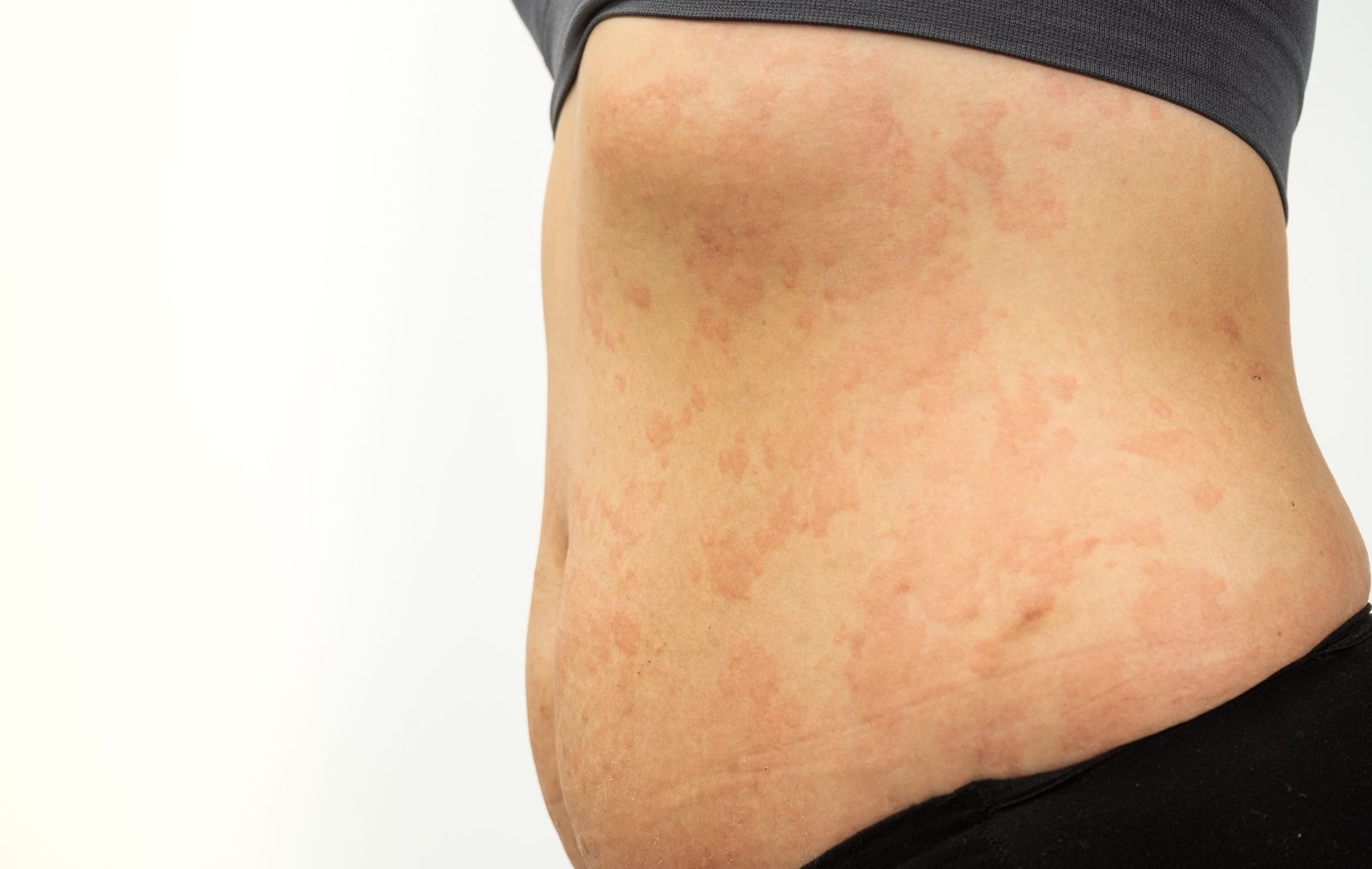
A true food allergy involves the immune system. When you eat a food you are allergic to, your immune system identifies a protein in that food as a threat and releases IgE antibodies in response. Those antibodies trigger the release of chemicals like histamine that cause the symptoms most people associate with allergic reactions: hives, swelling, itching, vomiting, difficulty breathing, or in severe cases, anaphylaxis (a life-threatening whole-body reaction).
A food intolerance, by contrast, does not involve the immune system. Lactose intolerance is the most familiar example. The digestive system cannot properly process a component of the food, leading to symptoms like bloating, gas, stomach cramps, or diarrhea. These symptoms are uncomfortable but not dangerous in the way a true allergic reaction can be.
The reason this distinction matters is that food intolerances, while worth addressing, do not carry the risk of anaphylaxis. True food allergies do, and they require a different level of management.
Which Foods Are Most Commonly Responsible?
Nine foods account for the vast majority of allergic reactions in the United States: milk, eggs, peanuts, tree nuts, wheat, soy, fish, shellfish, and sesame. These are referred to as the major food allergens and are required by law to be clearly labeled on packaged foods.
That said, a true food allergy can develop to virtually any food. Less common but clinically significant allergens include certain fruits, vegetables, seeds, and spices. Some patients also experience oral allergy syndrome, a condition where proteins in raw fruits and vegetables cross-react with pollen allergens, causing localized itching or tingling in the mouth. This is more of an immune cross-reaction than a classic food allergy but is worth evaluating if it is affecting your diet.
In South Florida, where fresh produce and seafood are dietary staples for many residents, fish and shellfish allergies are particularly worth diagnosing accurately. The difference between avoiding a food unnecessarily and knowing you have a confirmed allergy that warrants carrying an epinephrine auto-injector is significant.
When Should You Consider Food Allergy Testing?
Food allergy testing makes sense any time there is a consistent pattern of symptoms appearing after eating a particular food, or when symptoms are unexplained and a food trigger has not been ruled out.
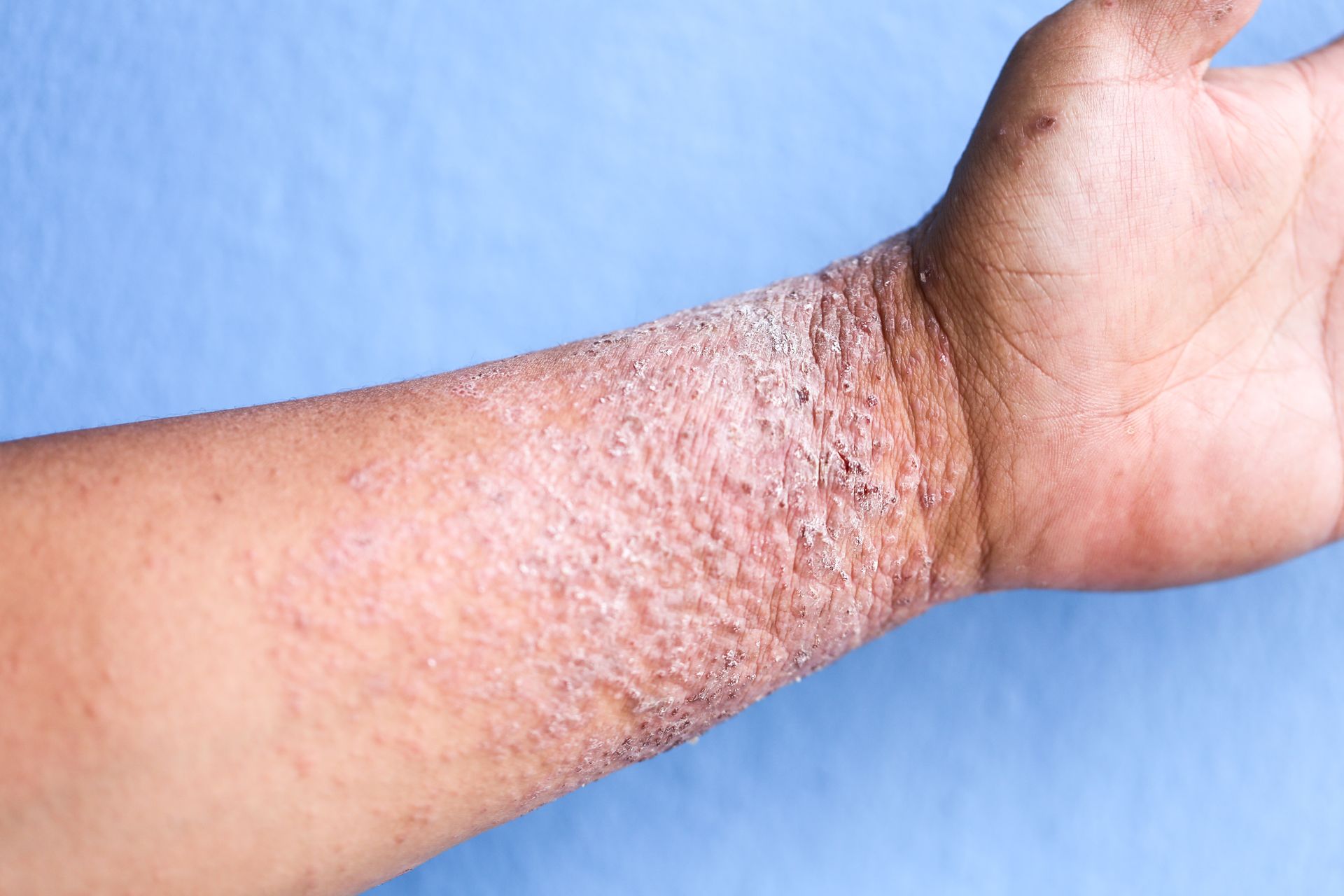
Specific situations that warrant testing include reactions like hives, swelling, vomiting, or difficulty breathing that occur within minutes to two hours of eating, a history of anaphylaxis without a confirmed cause, a child with eczema that is not responding well to standard treatment (food allergies are a common driver of eczema flares in children), chronic gastrointestinal symptoms that have not been fully explained, or a known allergy to one food in a category where cross-reactivity is common, such as one type of tree nut or shellfish.
Testing is also valuable for people who are currently avoiding a food based on a past reaction and want to know definitively whether the avoidance is still necessary. In some cases, particularly with childhood milk or egg allergies, patients outgrow their sensitivity over time. An oral food challenge conducted under medical supervision can safely determine whether a previously allergic food can be reintroduced.
How Is Food Allergy Testing Done?
The two primary methods for food allergy testing are skin prick testing and specific blood testing. Both measure your immune system's response to specific food proteins.
Food and environmental allergy skin testing involves placing small amounts of food allergen extracts on the skin and using a lancet to lightly prick the surface. If a raised bump called a wheal forms at a test site within 15 to 20 minutes, it indicates sensitization to that allergen. Results are available the same day, which is one of the advantages of skin testing.
Specific blood testing measures the level of IgE antibodies in your blood that are specific to particular food proteins. It does not require stopping antihistamines beforehand and carries no risk of triggering a reaction during the test itself. Results take a few days to return from the lab. Blood testing is often preferred for young children, patients with significant skin conditions, or those who cannot safely pause certain medications.
It is important to understand that a positive skin or blood test indicates sensitization, meaning your immune system has developed antibodies to that food. It does not automatically confirm that eating the food will cause a clinical reaction. The size of the response, your symptom history, and other clinical factors all factor into the interpretation. This is why results are always reviewed in the context of your full history rather than in isolation.
What Is an Oral Food Challenge?
When test results and symptom history do not clearly align, or when a patient wants to confirm whether they have outgrown an allergy, an oral food challenge may be recommended.
An oral food challenge involves eating gradually increasing amounts of the suspected allergen in a supervised clinical setting while being monitored for reactions. It is the most definitive method for confirming or ruling out a food allergy. The process is carefully controlled and takes place in an office equipped to manage any reactions that occur.
Oral challenges are also used in the context of oral immunotherapy (OIT), a treatment approach for certain food allergies, most notably peanut allergy, that involves gradually increasing exposure to build tolerance over time. Dr. Jacobs can discuss whether oral immunotherapy is an appropriate option based on your specific allergy profile.
What Happens After a Diagnosis?
A food allergy diagnosis from a board-certified allergist is not just a label. It comes with a clear management plan that addresses your specific situation.
For patients with mild to moderate food allergies, the plan typically centers on allergen avoidance, label reading education, and knowing how to recognize and respond to accidental exposures. For patients with a history of or risk for anaphylaxis, carrying an epinephrine auto-injector and having a written emergency action plan are standard parts of the management approach.
For children, a school action plan and communication with school staff about the allergy are often part of the follow-up. Dr. Jacobs works with families to make sure the practical day-to-day management of a food allergy is as clear and manageable as possible.
Frequently Asked Questions
Can food allergies develop in adulthood even if I ate a food safely my whole life?
Yes. Food allergies can develop at any age, including in adults who have eaten a food without problems for years. Adult-onset shellfish and fish allergies are particularly common. If you develop consistent symptoms after eating a food you have always tolerated, it is worth getting evaluated rather than assuming it was a coincidence.
How is food allergy testing different from at-home food sensitivity tests?
At-home food sensitivity tests sold online typically measure IgG antibodies, which reflect food exposure rather than allergic sensitization. They are not recognized by allergists or major medical organizations as a reliable method for diagnosing food allergies. A board-certified allergist uses validated IgE-based skin and blood tests interpreted alongside your clinical history, which is the standard of care for accurate food allergy diagnosis.
Is food allergy testing covered by insurance?
Most major insurance plans cover food allergy testing when it is medically indicated. Coverage varies by plan, so contacting your insurance company in advance is always a good idea. Our office can help answer insurance questions when you schedule.
At what age can children be tested for food allergies?
Food allergy testing can be performed in infants and young children when there is a clinical reason to test. The method used may vary depending on age and skin condition. Early and accurate diagnosis is particularly important for children with eczema or a family history of food allergy.
What is the difference between a food allergy and oral allergy syndrome?
Oral allergy syndrome causes localized itching or tingling in the mouth and throat when eating certain raw fruits, vegetables, or nuts, and is caused by cross-reactivity between food proteins and pollen allergens. Symptoms are typically mild and confined to the mouth. A true food allergy can cause systemic symptoms including hives, vomiting, and anaphylaxis. An allergist can help distinguish between the two.
Do I need a referral to see an allergist for food allergy testing in Florida?
In most cases, no. Many patients self-refer directly to our office. If your insurance plan requires a referral, your primary care physician can typically provide one. Calling your insurance company ahead of time to confirm your plan's requirements is always a good first step.
If you suspect a food allergy or want a definitive answer about something you have been avoiding, we are here to help. Call our Jupiter office at (561) 510-7232 or book online here to schedule an appointment with Dr. Jacobs.
Disclaimer: The information provided on this blog is for general informational purposes only and is not intended as, and should not be considered, medical advice. All information, content, and material available on this blog are for general informational purposes only. Readers are advised to consult with a qualified healthcare professional for medical advice, diagnosis, or treatment. The author and the blog disclaim any liability for the decisions you make based on the information provided. Always seek the advice of your physician or other qualified health provider with any questions you may have regarding a medical condition.